2025 Top Trends in High End Packaging You Need to Know
In the rapidly evolving landscape of consumer goods, the significance of high end packaging has become more pronounced, reflecting the growing demand for premium product presentation. According to a recent report by Smithers Pira, the global market for luxury packaging is projected to reach $40 billion by 2026, driven by a surge in consumer interest for quality, sustainability, and design. This shift highlights how high end packaging not only enhances product value, but also plays a crucial role in brand differentiation.
As consumers become increasingly discerning, they seek out products that embody sophistication and craftsmanship, making high end packaging an essential focal point for brands aiming to capture premium market segments. Research by Allied Market Research indicates that the luxury packaging industry is set to grow at a compound annual growth rate (CAGR) of 5.9% from 2019 to 2026, spurred by trends such as personalization, environmentally friendly materials, and innovative designs. These trends reflect a broader movement toward creating a holistic brand experience that resonates with consumers, underscoring the importance of understanding the latest developments in high end packaging.
Navigating these emerging trends will be crucial for brands looking to engage consumers and elevate their products in a competitive marketplace. The insights presented in this overview will guide stakeholders in harnessing the power of high end packaging to drive brand loyalty and growth in the years to come.
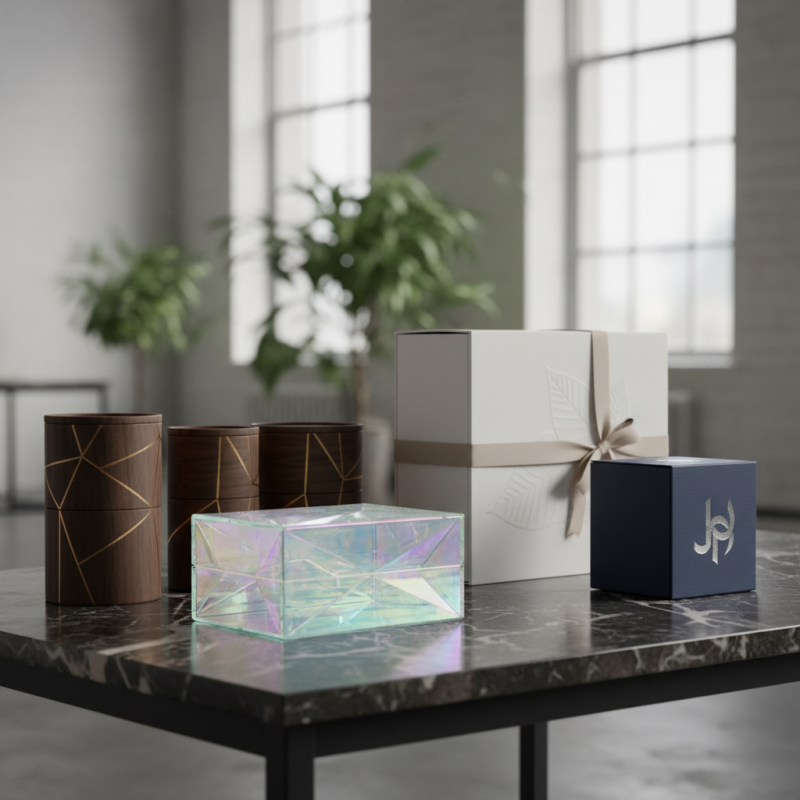
Emerging Sustainable Materials in Luxury Packaging by 2025
As we approach 2025, the trend toward sustainable materials in luxury packaging is set to redefine the high-end market. Consumers are increasingly aware of the ecological footprint of their purchases, prompting brands to seek alternatives to traditional materials. One of the most promising developments in this field is the use of bio-based plastics and biodegradable options that not only maintain the aesthetic appeal of luxury packaging but also promote environmental responsibility. These materials are sourced from renewable resources, reducing the reliance on fossil fuels, and offer a tangible commitment to sustainability that resonates deeply with eco-conscious consumers.
Additionally, innovations such as plant-based inks and recycled paper are gaining traction as part of this movement. By utilizing materials that are both elegant and sustainable, brands can enhance their packaging appeal while minimizing waste. The integration of such materials aligns with a broader industry shift towards circular economy principles, where brands are encouraged to design products with their end-of-life in mind. This approach not only enhances brand reputation but also provides consumers with a sense of participation in the preservation of the environment, making them more likely to engage with and support businesses that prioritize sustainability in their packaging choices.
The Role of Minimalism and Aesthetics in High-End Packaging Designs
Minimalism has emerged as a defining trend in high-end packaging designs, where the principle of "less is more" governs aesthetic choices. This design philosophy focuses on simplicity and functionality, stripping away unnecessary elements to create a clean and elegant appearance. In high-end markets, minimalism not only enhances visual appeal but also conveys a sense of luxury and sophistication. By utilizing a limited color palette and simple typography, brands can evoke a feeling of exclusivity and high-quality craftsmanship.
Aesthetics in high-end packaging are closely tied to the sensory experience of the consumer. Designers are increasingly emphasizing tactile elements, such as texture and feel, alongside visual simplicity. The use of premium materials and innovative finishes can elevate the unboxing experience, making it memorable and shareable. This combination of minimalist design and rich sensory engagement reflects a broader shift in consumer expectations, where the packaging itself becomes an integral part of the product experience, resonating with consumers’ desires for authenticity and elegance.
Technological Innovations Transforming High-End Packaging Solutions
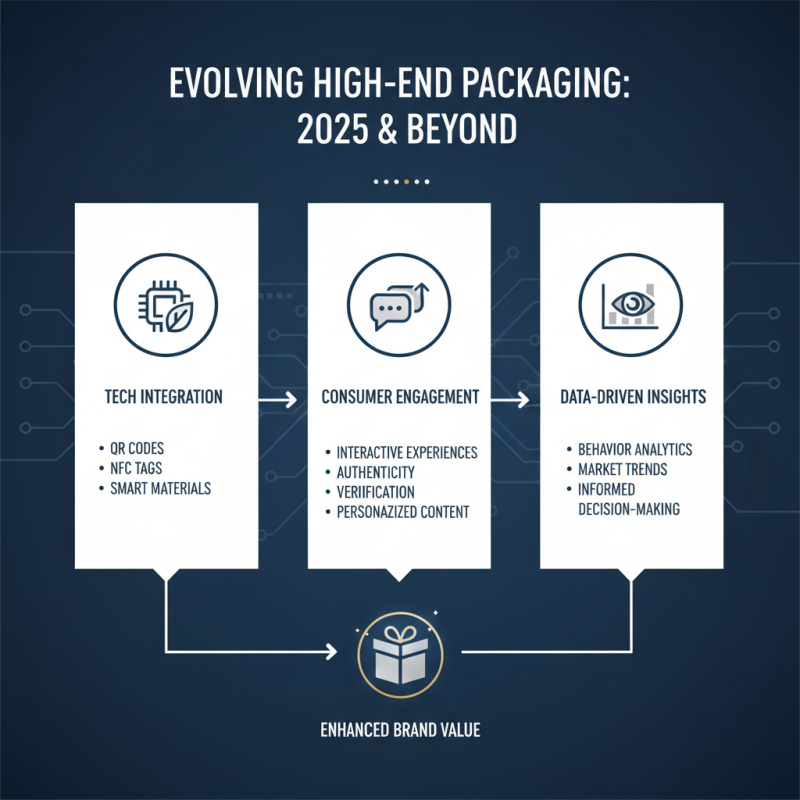
The landscape of high-end packaging is evolving rapidly, driven by groundbreaking technological innovations that enhance both aesthetics and functionality. In 2025, brands are shifting towards smart packaging solutions that incorporate features such as QR codes and NFC tags, allowing consumers to engage with products in an interactive manner. This not only enriches the user experience but also provides brands with valuable data on consumer behavior, enabling them to make informed decisions.
Another significant trend is the use of sustainable materials, powered by advancements in material science. Biodegradable and compostable materials are becoming increasingly popular as luxury brands strive to meet the growing demand for eco-friendly practices. Innovations in molecular engineering have led to the development of high-performance materials that maintain a premium look while being environmentally responsible. Furthermore, 3D printing technology is simplifying the customization process, allowing brands to create intricate designs and tailored solutions with minimal waste. This fusion of sustainability and technology is unlocking new possibilities in the realm of high-end packaging.
Personalization Trends in Luxury Packaging for Enhanced Customer Experience
As we approach 2025, the trend of personalization in luxury packaging is set to redefine customer engagement and elevate the overall experience. Research indicates that 79% of consumers are more likely to make a purchase when brands offer personalized experiences. This growing demand for tailored solutions highlights the importance of moving beyond generic packaging and embracing a more customized approach that resonates with individual consumers.
Luxury brands are increasingly leveraging advanced technologies such as 3D printing and augmented reality to create unique packaging solutions that enhance the unboxing experience. A report from Smithers Pira suggests that the personalized packaging sector is expected to witness a compound annual growth rate (CAGR) of 3.8% from 2020 to 2025, driven largely by consumer preferences for customization and exclusivity. As brands adopt more innovative designs and materials, customers are increasingly drawn to packaging that reflects their tastes and values, fostering a deeper connection and loyalty to the brand.
Furthermore, sustainable personalization is becoming a pivotal trend as eco-conscious consumers demand packaging that not only caters to their individual preferences but also aligns with responsible consumption practices. According to a survey by McKinsey, 67% of consumers prefer brands that take a stand on sustainability, making it imperative for luxury packaging to integrate both personalization and eco-friendliness. This dual focus not only enhances customer experience but also positions brands as leaders in sustainability, appealing to a discerning consumer base in a rapidly evolving market.
Impact of E-commerce on High-End Packaging Strategies and Trends
The e-commerce boom has significantly transformed the landscape of high-end packaging, urging brands to rethink their strategies to engage discerning consumers effectively. As online shopping becomes the norm, luxury brands face the challenge of delivering an exceptional unboxing experience that resonates with their clientele while still maintaining the premium essence of their products. This shift compels brands to innovate their packaging solutions, focusing on functionality, sustainability, and visual appeal to ensure the packaging stands out even in a digital marketplace.
Tips for enhancing e-commerce high-end packaging:
1. Focus on Sustainability: Utilize eco-friendly materials that reflect modern consumer values. Sustainable packaging not only reduces environmental impact but also appeals to eco-conscious consumers.
2. Enhance Unboxing Experience: Design packaging that offers a sense of luxury right from the first impression. Incorporating elements like magnetic closures or high-quality inserts can elevate the consumer experience.
3. Personalization Opportunities: Consider customizing packaging for different customers. Personal touches, such as handwritten notes or tailored designs, can create a memorable experience that fosters brand loyalty.
By leveraging these strategies, brands can successfully navigate the evolving dynamics of high-end packaging in the e-commerce sphere, ensuring they meet the expectations of a sophisticated audience while enhancing their market presence.