2026 Top Trends in Printed Packaging You Need to Know?
As we step into 2026, the world of printed packaging evolves rapidly. Brands are increasingly aware of its significance in customer engagement. The potential of printed packaging extends beyond aesthetics; it tells a story and builds connections.
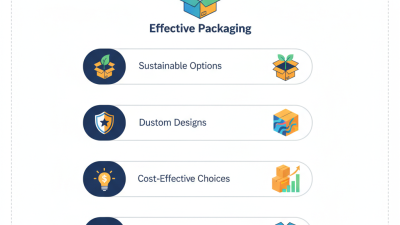
In this dynamic landscape, several trends are shaping the future of printed packaging. Sustainable materials are gaining traction, reflecting consumer demand for eco-friendly options. Enhanced digital printing technologies provide brands with more creative opportunities. Customization is becoming essential, enabling businesses to cater to individual preferences.
However, challenges remain. The balance between innovation and cost-efficiency is complex. Companies must also consider the environmental impact of their choices. In this rapidly changing environment, keeping pace with these trends in printed packaging is crucial for success.
Emerging Sustainable Materials in Printed Packaging for 2026
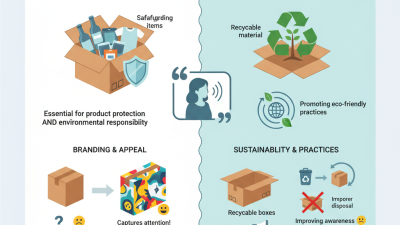
As we approach 2026, the demand for sustainable materials in printed packaging is rising. A recent report by Smithers reveals that the market for sustainable packaging materials will grow at a CAGR of 7.7%, reaching $400 billion by 2027. Companies must adapt to these eco-friendly innovations or risk losing market share.
Paper-based packaging, especially those using recycled materials, is gaining traction. Approximately 75% of consumers prefer paper over plastic. This shift is partly driven by increasing environmental awareness. Innovative coatings and inks are also evolving. Water-based inks and bio-based coatings are set to dominate, supporting sustainability without sacrificing quality.
**Tip:** Choose suppliers that prioritize sustainability. Assess their materials to ensure they meet industry standards.
Bio-plastics are another significant development. Made from renewable resources, they offer a promising alternative to traditional plastics. The growth of this sector is projected to reach $30 billion by 2026. However, challenges remain. Not all bio-plastics are compostable or recyclable. This inconsistency can cause confusion for consumers.
**Tip:** Educate your customers about the materials used in your packaging. Transparency enhances trust and loyalty.
2026 Top Trends in Printed Packaging
| Trend |
Description |
Emerging Material |
Sustainability Benefit |
| Biodegradable Inks |
Inks that decompose naturally after use, reducing environmental impact. |
Plant-based dyes |
Reduces toxic waste and enhances soil health. |
| Recyclable Materials |
Packaging designed for easy recycling with minimal contamination. |
Recycled paper and cardboard |
Promotes circular economy and decreases landfill waste. |
| Edible Packaging |
Packaged materials that are safe for human consumption. |
Seaweed and rice-based films |
Reduces plastic waste and offers innovative consumption options. |
| Smart Packaging |
Integration of technology to enhance product monitoring and tracking. |
RFID and QR codes |
Improves supply chain efficiency and reduces waste. |
| Plant-Based Plastics |
Plastics derived from renewable resources. |
PLA (Polylactic Acid) |
Decreases dependence on fossil fuels and lowers carbon footprint. |
| Minimalist Design |
Simplified packaging that uses fewer materials. |
Cardboard and paper with minimal printing |
Reduces resource usage and enhances recycling potential. |
Innovations in Digital Printing Technologies Revolutionizing Packaging
The landscape of packaging is rapidly changing, driven by digital printing technologies. As brands seek to differentiate themselves, advancements in digital printing are becoming crucial. These technologies offer flexibility and customization, allowing brands to respond quickly to market demands. For instance, short production runs are now more feasible than ever. This shift enhances creativity while reducing waste.
Tips for implementing digital printing effectively include focusing on design quality. A visually appealing package can attract more consumers. Experiment with different textures and finishes to create an engaging tactile experience. Consistency in branding is essential too; ensure that colors and logos remain recognizable across various print runs.
Additionally, consider the environmental impact. Digital printing often uses less energy and produces less waste compared to traditional methods. However, not all materials are eco-friendly. Research sustainable options to make informed choices that align with your brand values. Embrace these innovations to not only meet consumer expectations but also lead the market in responsible packaging solutions.
Personalization Trends in Printed Packaging for Enhanced Consumer Engagement
Personalization is transforming printed packaging in 2026. Brands are recognizing its power to engage consumers on a personal level. Customized packaging captures attention and promotes brand loyalty. Unique designs and tailored messages resonate with customers, making them feel valued. This trend is not just a passing fad; it's a strategy that can enhance consumer experiences.
To create impactful personalized packaging, consider integrating consumer data. Analyze purchasing habits to develop customized designs. Simple touches, like including a consumer's name on the package, can boost emotional connection. Effective use of color and imagery aligns with brand values. Consumers enjoy seeing themselves reflected in the products they choose.
Tips: Use social media feedback to guide design choices. Experiment with different materials for a unique tactile experience. Regularly refresh designs to keep engagement high. Remember, even small changes can lead to significant improvements. Embrace the feedback loop; listen, adapt, and evolve with your audience. Balancing innovation with reflection is key to staying relevant in a competitive market.
2026 Top Trends in Printed Packaging
The Impact of E-commerce on Printed Packaging Design Strategies
As e-commerce continues to reshape consumer habits, printed packaging design strategies must adapt creatively. Online shopping has elevated the importance of packaging as a brand's first impression. A unique design can attract attention amidst countless digital listings. Vibrant colors, bold graphics, and eco-friendly materials are becoming essential. Brands are focusing on designs that enhance unboxing experiences. This tactile engagement can foster loyalty among customers.
However, challenges arise in minimizing waste while ensuring visual appeal. Balancing sustainability with aesthetics is not straightforward. Packages must not only look good but also align with environmental values. Many brands grapple with sourcing materials that meet both criteria. Additionally, the rise of subscription boxes presents a unique challenge. Consistency in branding across various products is necessary, yet each box demands a fresh look.
Innovative printing techniques are gaining traction. Digital printing offers flexibility in designs and reduces waste for small runs. This allows companies to experiment with short-term marketing campaigns. Yet, finding the right printing partner can be a daunting task. Businesses often reflect on the trade-offs between quality and cost. Embracing these complexities can lead to more effective strategies and sustained growth in this dynamic landscape.
Regulatory Changes Shaping the Future of Printed Packaging Solutions
Regulatory changes are pivotal in shaping printed packaging solutions. The packaging industry is witnessing a surge in regulations globally. For instance, European Regulation (EU) 2019/904 aims to reduce single-use plastics, impacting packaging choices significantly. This regulation has led to a reported 30% decrease in plastic usage in packaging by 2023, as companies pivot to sustainable materials.
Additionally, stricter labeling requirements are emerging. The Food and Drug Administration (FDA) has updated guidelines to enhance transparency regarding ingredients and materials used in packaging. This change encourages consumers to make informed choices, creating accountability within the industry. An estimated 55% of consumers now prefer brands that prioritize clarity in labeling.
However, navigating these regulations presents challenges. Many companies struggle with compliance, facing fines that, on average, total around $150,000 per violation. The complexity of staying compliant while innovating can deter investment in new technologies. Industry experts recommend a proactive approach to understand these shifts in regulations, ensuring sustainability aligns with market demands.