Top 10 Benefits of Corrugated Packaging for Global Buyers?
In the ever-evolving landscape of global trade, corrugated packaging emerges as a game-changer. John Smith, an expert in packaging solutions, once said, “Corrugated packaging is not just a way to transport goods; it’s a strategy that enhances efficiency.” This statement underscores the significance of corrugated packaging in optimizing supply chains.
For international buyers, the benefits of corrugated packaging are undeniable. It provides durability, making it suitable for various products. Additionally, it is lightweight, allowing for cost-effective shipping. With sustainability at the forefront, corrugated materials can be recycled, aligning with environmentally conscious practices.
However, there are challenges in adopting corrugated packaging. Not all suppliers may offer high-quality options. This could lead to potential damages during transit. Buyers must do their research to ensure they choose reliable suppliers. In the end, the advantages of corrugated packaging are vast, but thoughtful consideration is essential to realize its full potential.

Benefits of Corrugated Packaging: An Overview of Cost Effectiveness
Corrugated packaging is a game changer for global buyers, especially in terms of cost effectiveness. It offers strength and durability, ensuring products reach their destination without damage. This reliability represents a significant saving for businesses. The ability to customize sizes and shapes also reduces material waste, making it an eco-friendly choice.
Investing in corrugated packaging can lead to lower shipping costs. Lightweight corrugated boxes decrease freight charges, which can make a big difference in profit margins. Additionally, the ability to efficiently stack and store these boxes can optimize warehouse space.
**Tip:** Consider sourcing corrugated packaging locally. This can reduce transportation costs and support local economies. It’s important to regularly evaluate your packaging suppliers. Finding the right balance between cost and quality is crucial for maintaining a competitive edge. Each adjustment can impact your overall logistics strategy. Remember, ongoing reflection on your supply chain decisions is key to maximizing efficiency.
Top 10 Benefits of Corrugated Packaging for Global Buyers
| Benefit |
Description |
Cost Effectiveness |
| Lightweight |
Easy to handle and transport, reducing shipping costs. |
Low shipping weight lowers overall costs. |
| Customizable |
Easily designed to meet specific product needs. |
Reduces waste and improves packing efficiency. |
| Sustainability |
Made from renewable resources and recyclable. |
Lower disposal costs and improved brand image. |
| Durability |
Strong construction protects products during transit. |
Minimizes loss from damage, saving replacement costs. |
| Versatility |
Suitable for various industries and products. |
Multiple applications cut down on packaging diversity. |
| Branding Opportunity |
Print designs enhance marketing and brand visibility. |
Attractive packaging can lead to increased sales. |
| Easy to Stack |
Optimizes storage and transport space. |
Reduced warehouse costs due to efficient use of space. |
| Protection from Environmental Factors |
Resistant to moisture and temperature changes. |
DiMinished risk of product loss in adverse conditions. |
| Cost-Effective Production |
Efficient production process reduces costs. |
Lower manufacturing expenses boost overall profit margins. |
| Reduces Carbon Footprint |
Less energy required to manufacture and transport. |
Cost savings align with sustainability initiatives. |
Sustainability Impact of Corrugated Packaging in Global Supply Chains
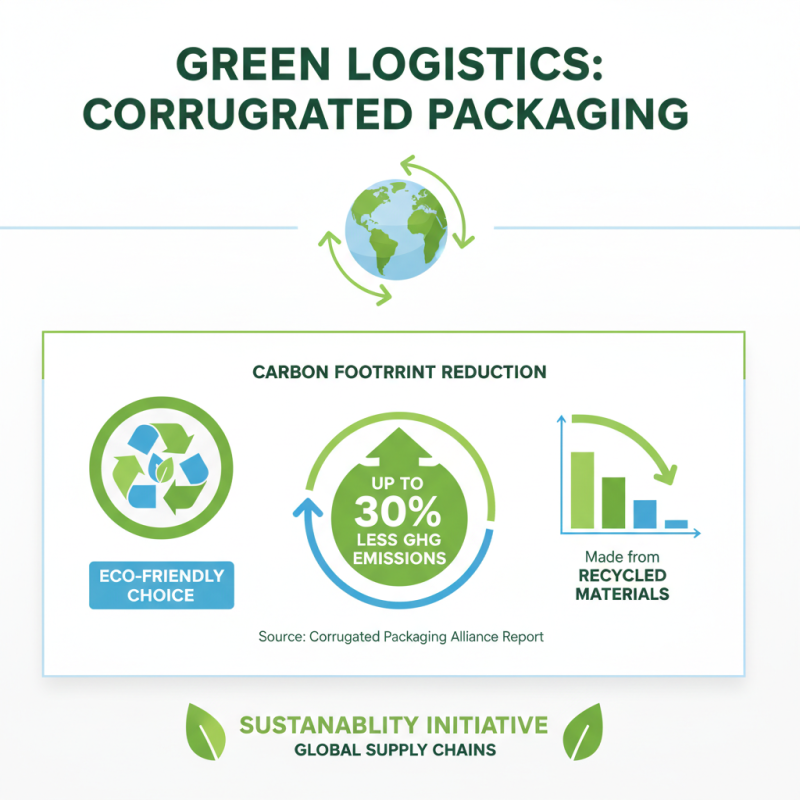
The sustainability impact of corrugated packaging is increasingly significant in global supply chains. This eco-friendly option uses recycled materials, reducing the carbon footprint. According to a recent report from the Corrugated Packaging Alliance, using corrugated packaging can decrease greenhouse gas emissions by up to 30%. This presents a compelling case for businesses aiming for environmental responsibility.
In many cases, corrugated boxes are biodegradable and recyclable. They not only meet but often exceed industry recycling standards. A study showed that over 80% of corrugated packaging is recycled in the U.S. each year. This high recycling rate helps divert millions of tons of waste from landfills. However, the challenge lies in ensuring all consumers participate in recycling efforts.
**Tip:** Encourage your supply chain partners to improve recycling practices. Create awareness about proper disposal methods among consumers.
Companies are also realizing the cost benefits of adopting corrugated packaging. Operational costs can be reduced as many suppliers offer lower prices for sustainable options. Yet, some businesses may still face initial investment hurdles in switching packaging types. Understanding the long-term benefits may help shift these perspectives.
**Tip:** Assess your current packaging strategies regularly. Consider how corrugated options could provide both sustainability and cost savings.
Protection and Durability: Key Advantages in Shipping Products
Corrugated packaging offers exceptional protection and durability for products during shipping. Its unique structure, made of multiple layers, helps absorb shocks and resist impacts. This design is crucial for fragile items that might break under pressure. Each corrugated box is lightweight yet sturdy. This balance ensures it can withstand rough handling while remaining cost-effective.
In terms of durability, corrugated packaging excels in various environments. It performs well in extreme temperatures, humidity, and impacts. For instance, a box stored in a damp warehouse won’t lose its integrity easily. However, some may overlook the potential for moisture damage if not properly treated. Understanding the material's limitations is vital. Though corrugated boxes are robust, they require careful handling during transport.
Another consideration is the need for proper sealing. A well-sealed box safeguards its contents against dust and moisture. Nonetheless, weakened seals can lead to damaged goods. Buyers should invest time in evaluating their packaging materials. Striking the right balance between protection and cost is critical for decision-making. This aspect of corrugated packaging often demands a more thoughtful approach than it appears at first glance.
Weight Efficiency: How Corrugated Packaging Reduces Transportation Costs
Corrugated packaging is increasingly recognized for its weight efficiency. This characteristic significantly reduces transportation costs for global buyers. According to the Fiber Box Association, corrugated materials can be up to 30% lighter than traditional packaging. This weight reduction leads to lower fuel consumption during transit, ultimately saving money and minimizing carbon footprints.
Moreover, a study by Smithers Pira indicates that lighter packaging can enhance load optimization. Fewer packaging materials per shipment enable businesses to maximize space in shipping containers. This efficiency not only cuts costs but also decreases greenhouse gas emissions. These factors establish corrugated packaging as a preferred choice in the supply chain.
However, not all corrugated solutions meet the same standards. Buyers must be diligent when selecting materials and suppliers. Some corrugated options may sacrifice sturdiness for weight. This could lead to damaged goods and increased costs in return logistics. Therefore, a balance between weight, strength, and cost-effectiveness is crucial for successful global operations.
Top 10 Benefits of Corrugated Packaging for Global Buyers
This chart illustrates the top 10 benefits of corrugated packaging for global buyers, highlighting the significance of weight efficiency in reducing transportation costs, along with other key advantages such as cost reduction, environmental sustainability, product protection, and more.
Customizability of Corrugated Solutions for Diverse Market Needs
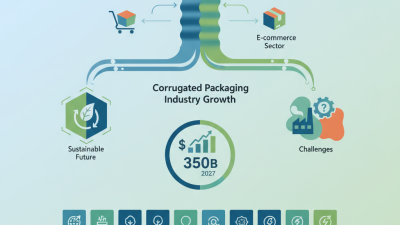
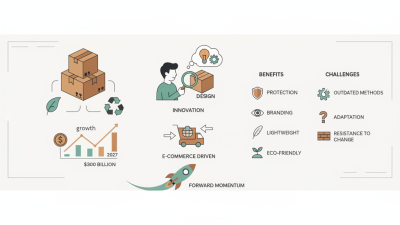
Corrugated packaging stands out due to its potential for customization. Global buyers are increasingly leaning towards tailored solutions that meet diverse market requirements. According to a report by Smithers Pira, the global corrugated packaging market is expected to reach $300 billion by 2025. This growth highlights the emphasis on customized packaging that addresses various needs.
Customizability is crucial in markets like food, electronics, and healthcare. Buyers require packaging that not only protects products but also enhances brand identity. Options include specific sizes, colors, and branding elements. Research shows that well-designed packaging can boost sales by up to 25%. This statistic underscores the need for innovative packaging solutions.
Tips: Assess your product's specific requirements before selecting a packaging solution. Engage with suppliers to explore design options. Consider how packaging can contribute to sustainability goals. Corrugated packaging can also be designed for reuse. This approach is gaining traction but requires careful planning. Addressing these challenges enables businesses to enhance product appeal while staying aligned with market demands. Proper customization can lead to significant competitive advantages in increasingly crowded markets.