

Top 10 Benefits of Using a Refillable Bottle for Sustainability?
In today's world, the impact of our choices on the environment plays a crucial role. One effective way to promote sustainability is through using a Refillable Bottle. This action not only reduces plastic waste but also encourages a conscious lifestyle.
When you opt for a refillable bottle, you contribute to decreasing single-use plastics. Millions of plastic bottles end up in landfills every year, harming wildlife and ecosystems. A refillable bottle is designed to last, so it reduces the frequency of purchases. This choice can lead to significant environmental improvement.
Additionally, many individuals find it challenging to break free from convenience over sustainability. It requires a mindset shift to prioritize eco-friendly choices. However, the benefits are immense. By choosing a refillable bottle, you not only care for the planet but also inspire others to consider their own habits. Embracing this change can be a powerful step forward.
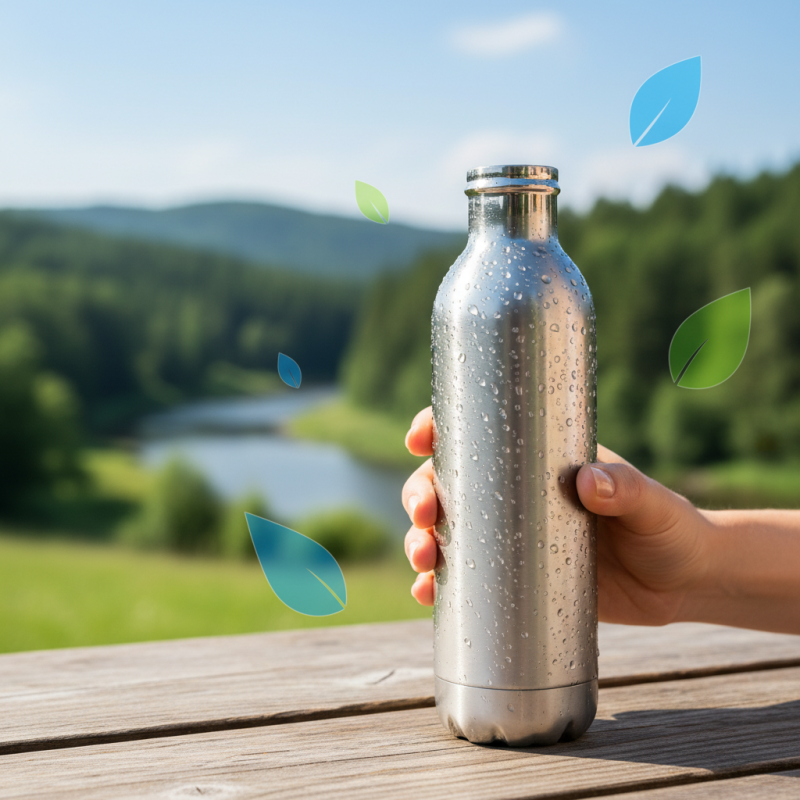
Benefits of Refillable Bottles for Reducing Plastic Waste in Landfills
Refillable bottles offer a practical solution for reducing plastic waste in landfills. Each year, millions of plastic bottles end up in these sites, contributing to environmental harm. By using a refillable bottle, individuals can significantly decrease their personal plastic footprint. This choice supports sustainable practices and promotes a healthier planet.
The convenience of refillable bottles encourages people to hydrate more frequently, reducing the reliance on single-use plastics. They are often made from durable materials, lasting for years. This durability means fewer bottles produced and discarded. However, it is essential to clean these bottles regularly to avoid bacterial growth, which can be a downside for some users.
Choosing a refillable bottle also fosters a sense of community and responsibility towards environmental sustainability. It can motivate others to adopt similar habits. Yet, some may struggle with remembering to fill their bottles before heading out. Awareness and planning are crucial to making this change effective. Each small step counts in the fight against plastic waste.
Impact of Refillable Bottles on Ocean Pollution and Marine Life Preservation
Refillable bottles play a significant role in addressing ocean pollution. According to recent studies, over 8 million tons of plastic enter the oceans each year. This plastic not only pollutes the water but also harms marine life. Refillable bottles reduce the need for single-use plastics. When people choose refillable options, they contribute to decreasing overall plastic waste.
The preservation of marine ecosystems depends on reducing plastic waste. An estimated 1 million marine animals die each year due to plastic ingestion and entanglement. By using refillable bottles, individuals can help mitigate this crisis. A report by the Ocean Conservancy highlights that reusable bottles can prevent billions of plastic bottles from entering landfills and oceans.
However, the impact of using refillable bottles is sometimes overlooked. People need to change their daily habits. Encouraging more individuals to adopt refillable bottles requires education and awareness. Everyone can contribute to healthier oceans, but the journey is ongoing. The responsibility lies with each user to make mindful choices daily. The ripple effect of such actions can lead to profound changes for marine life and ocean health.
Top 10 Benefits of Using a Refillable Bottle for Sustainability
| Benefit | Description | Impact on Sustainability |
|---|---|---|
| Reduced Plastic Waste | Using refillable bottles significantly decreases the amount of single-use plastic waste. | Minimizes landfill overflow and ocean pollution, promoting a cleaner environment. |
| Long-Term Cost Savings | Refilling is often cheaper than buying bottled water. | Encourages mindful spending and reduces the demand for disposable bottles. |
| Encourages Hydration | Having a refillable bottle promotes regular water intake. | Supports health initiatives and reduces reliance on sugary drinks. |
| Customizable Designs | Refillable bottles can be personalized, showcasing individual style. | Promotes brand awareness around sustainability initiatives. |
| Convenient and Portable | Lightweight and easy to carry, suitable for travel and daily use. | Facilitates reduced carbon footprint through mindful usage. |
| Supports Local Water Sources | Refilling promotes the use of local water supplies and infrastructure. | Bolsters community resources and decreases transportation-related emissions. |
| Encourages Recyclability | Many refillable bottles are made from recyclable materials. | Promotes a circular economy by encouraging recycling after use. |
| Education on Pollution | Using refillable bottles raises awareness about plastic pollution. | Inspires collective action towards reducing plastic pollution. |
| Improves Brand Image | Businesses promoting refillable bottles enhance their sustainability profiles. | Attracts eco-conscious consumers and boosts loyalty. |
| Increases Awareness of Marine Life | Encourages consumers to learn more about the impacts of pollution on oceans. | Promotes marine conservation through informed choices. |
Financial Savings Over Time: Comparing Refillable Bottles to Single-Use Options
In recent years, the shift towards sustainability has gained momentum. A refillable bottle offers financial savings over time. Research indicates that single-use plastic bottles can cost consumers an average of $1.50 each. If someone purchases one bottle daily, this totals around $547 annually. In contrast, a refillable bottle might have an upfront cost of $20-$30 but can last for years. This means that after just a few months, you start saving money.
Many consumers underestimate the lifetime cost of their beverage habits. It’s easy to overlook how quickly those costs add up. According to a survey by the Container Recycling Institute, Americans buy more than 29 billion plastic water bottles each year. Opting for refillable bottles can lead to substantial savings, while simultaneously reducing waste. Choosing to fill your bottle with tap water can save you even more. Tap water is generally safe and cheaper than buying bottled water daily.
Tips: Track your spending on single-use bottles for a month. You might be surprised by the total. Consider investing in a quality refillable bottle that reflects your style. This small change can significantly impact your wallet and the environment. Avoid buying bottled drinks for convenience; plan ahead. It can make a difference, both financially and sustainably.
Promoting Hydration Habits: How Refillable Bottles Encourage Water Intake
Refillable bottles play a vital role in promoting hydration habits. Using these bottles encourages people to drink more water throughout the day. Research shows that staying hydrated can boost energy levels and improve mental clarity. A study published in the Journal of Nutrition indicated that proper hydration significantly enhances cognitive performance.
Moreover, the convenience of refillable bottles makes water consumption easier. Many people forget to drink water, especially during busy hours. Carrying a refillable bottle serves as a constant reminder to hydrate. The International Bottled Water Association notes that portable hydration solutions can increase water intake by up to 30%. This demonstrates that having water readily available is crucial for maintaining healthy habits.
While refillable bottles are eco-friendly, there's a conversation about material safety. Some plastic bottles may contain harmful chemicals that leach into the water. Users should choose high-quality materials like stainless steel or BPA-free plastics. This ensures they are not compromising their health while promoting sustainability. Awareness of the potential downsides can help consumers make better choices.
Supporting Local Economies: The Shift Towards Refillable Bottle Services
The shift towards refillable bottle services presents a unique opportunity to bolster local economies. By investing in community-based refilling stations, towns can keep money circulating within their localities. According to the International Bottled Water Association, nearly 50% of the bottled water market has potential for refillable options. This transition not only supports local jobs but also encourages consumers to engage with their communities more actively.
Moreover, refillable bottle services align with sustainable practices, as they significantly reduce waste. The Ellen MacArthur Foundation reports that a circular economy could save businesses up to $1 trillion. Transitioning to refillable bottles could lead to lower production costs in the long term. Despite the benefits, challenges remain, such as overcoming consumer habits and increasing infrastructure investment. These hurdles require reflection and creative solutions to make refillable options more appealing. Local governments can play a role in incentivizing businesses to adopt these practices.
As awareness of plastic pollution grows, consumers are increasingly seeking refillable options. A 2022 survey indicated that 70% of participants would choose refillable bottles over single-use ones if readily available. There's potential for local businesses to promote these services, tapping into a growing market focused on sustainability. Partnerships between local authorities and private entities can build the necessary infrastructure to make refillable bottle services a viable option for all.


