How to Choose the Best Box Packaging for Your Products?
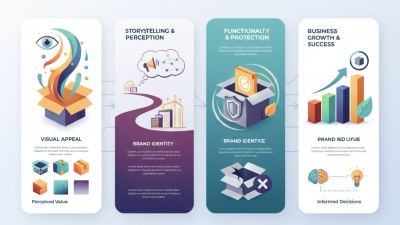
Choosing the right box packaging can significantly impact your product's success. Industry expert Sarah Thompson states, "Effective packaging not only protects the product but also conveys its brand message." This highlights the dual role of box packaging in both functionality and marketing.
When selecting box packaging, several factors come into play. The material, size, and design should align with your product's needs. A well-designed box enhances customer perception and can even lead to increased sales. Consider how your packaging reflects your brand identity.
However, the process of choosing box packaging is not always straightforward. Brands often face challenges in balancing cost with quality. It's crucial to evaluate options thoroughly. Keep in mind that effective box packaging is not solely about appearance; it must also ensure product safety during transit.
Factors to Consider When Selecting Box Packaging Materials
Choosing the right box packaging for your products is essential for both protection and presentation. When considering materials, durability should be a top priority. A sturdy box can withstand shipping pressures and protect your items. Look for materials like corrugated cardboard, which offers strength and cushioning. It’s crucial to think about the weight of your product too. This affects transportation costs and the overall eco-friendliness of your packaging.
Another factor to consider is the aesthetics of your packaging. The right design can attract customers and enhance your brand image. Consider options such as custom printing or unique shapes. However, not all designs are practical. Some may increase production costs or complicate assembly. Think through these elements carefully. Finally, sustainability is becoming increasingly important. Eco-friendly materials can improve your brand’s reputation, but they may not always provide the best protection. Finding the right balance can be challenging, but it’s necessary for success.
How to Choose the Best Box Packaging for Your Products?
| Factor |
Description |
Material Options |
Recommended Uses |
| Durability |
Ability to withstand physical stress |
Cardboard, Corrugated fiberboard |
Shipping heavy items, fragile products |
| Cost |
Affordable for production and shipping |
Kraft paper, Recycled paper |
Low-budget products, eco-friendly options |
| Customization |
Possibility of branding and design |
Printed cardboard, Folding cartons |
Retail products, gifts |
| Environmental Impact |
Recyclability and sustainability of materials |
Biodegradable materials, Recycled materials |
Eco-conscious products, organic items |
| Size and Fit |
Proper sizing to minimize movement inside the box |
Custom sized boxes, Standard sizes |
Diverse product sizes, optimized shipping |
Understanding Different Types of Box Packaging: Rigid vs. Folding Cartons
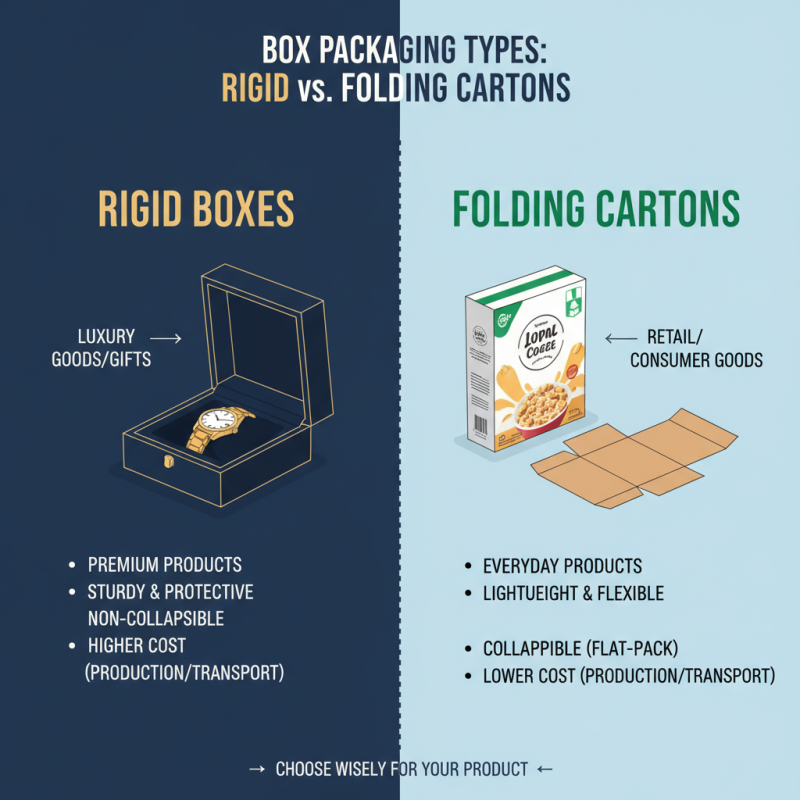
When selecting box packaging, understanding the difference between rigid boxes and folding cartons is essential. Rigid boxes are sturdy and often used for premium products. They provide excellent protection due to their structural integrity. These boxes are not collapsible, making them ideal for luxury items or gifts. However, they can be more costly to produce and transport.
Folding cartons, on the other hand, are versatile and economical. They are made from lighter materials and can be folded flat for shipping. This reduces storage space and shipping costs. Their customizable designs allow for creative branding opportunities. However, they may not offer the same level of protection as rigid boxes, especially for fragile items.
Choosing the right type of box package involves weighing these advantages and disadvantages. Rigid boxes demand higher investment but convey a sense of quality. Folding cartons are practical but may lack the upscale feel. Evaluating your product's needs and your budget will guide you toward the best solution.
The Role of Box Size and Shape in Product Protection and Appeal
When selecting box packaging, size and shape play crucial roles in protecting products while appealing to customers. A well-fitted box prevents movement during transit, reducing the risk of damage. For example, a snug fit for fragile items like glassware is essential. When a box is too large, it may leave room for shifting. This is risky and can lead to costly returns.
Tips for selecting the right size: Measure your product accurately. Consider the additional space needed for protective materials like bubble wrap or foam. Make prototypes to test how products sit within the boxes. This hands-on approach can highlight any dimensions that might fail to provide adequate protection.
Shape is another fundamental aspect. Unique shapes can attract attention and differentiate your product. A triangular box might stand out on a shelf, but does it provide enough support? Reflect on whether alluring designs compromise function. Finding harmony between attraction and protection is vital for long-term success.
Sustainability in Packaging: Eco-Friendly Options and Industry Trends
Sustainability is more than a trend; it’s essential for future packaging solutions. Eco-friendly options are becoming increasingly relevant. Companies are exploring materials like recycled cardboard and biodegradable plastics. These choices minimize environmental impact. Consumers prefer brands that prioritize sustainability in their packaging.
Many businesses face challenges in adopting eco-friendly materials. Availability can be an issue. In some regions, sustainable options may not be easily accessible. Additionally, there’s often a perception that sustainable packaging is more expensive. This belief can deter companies from making the switch. Yet, the long-term benefits often outweigh the initial costs.
Industry trends indicate a shift toward greener practices. Many companies are now focusing on minimalism in design. Simple, effective packaging with less material can be both cost-effective and sustainable. Brands need to continually reassess their packaging strategies. This reflection can lead to meaningful improvements in sustainability. The journey to eco-friendly packaging may not be perfect, but progress is essential.
Cost Analysis: Balancing Quality and Affordability in Packaging Choices
When selecting packaging for your products, balancing cost and quality is crucial. Cost analysis helps you understand how much you are willing to spend. However, it is vital to remember that cheaper options may affect your product's perception. High-quality packaging can enhance your brand image, but it comes at a price.
One way to ensure affordability without sacrificing quality is to conduct thorough research. Compare different materials and suppliers. You might discover alternative materials that provide similar protection and aesthetics at a lower cost. Explore options like biodegradable packaging or recycled materials. These choices may appeal to environmentally conscious consumers, adding value to your brand.
Tip: Always test your packaging with real products. This process can reveal strengths and weaknesses. It ensures that your choice meets the demands of shipping and shelf life. Remember, packaging is not just about cost. Consider its role in the customer experience and how it reflects your brand identity. Balancing these factors will lead to a more informed decision in your packaging strategy.
Cost Analysis of Different Box Packaging Materials
This bar chart illustrates the average cost per unit of different box packaging materials. Proper cost analysis allows businesses to balance quality and affordability in their packaging choices.