10 Best Corrugated Packaging Solutions for Your Business Needs?
In the dynamic world of packaging, "corrugated packaging" has emerged as a vital solution for businesses. Expert Sarah Johnson, a renowned figure in packaging innovation, states, "Corrugated packaging meets diverse needs while ensuring sustainability." This insight captures the essence of its importance in various industries.
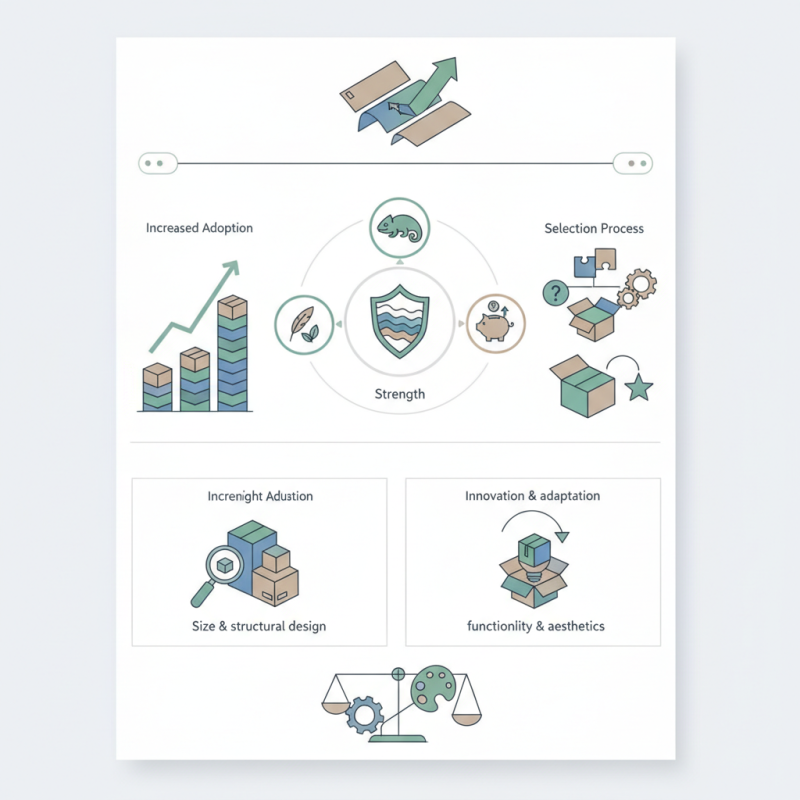
Companies are increasingly recognizing the advantages of corrugated packaging. It offers strength, lightweight characteristics, and versatility. These attributes contribute to cost savings and environmental benefits. However, not all businesses utilize this material effectively. Many companies still struggle with selecting the right type of corrugated packaging for their products. They may overlook essential factors like size and structural design, which are critical for maintaining product integrity.
Moreover, while corrugated packaging is popular, companies sometimes fail to innovate. Sticking to traditional designs can lead to missed opportunities. It's vital for businesses to adapt and re-evaluate their packaging strategies regularly. By doing so, they can enhance their brand image and improve customer satisfaction. The balance of functionality and aesthetics in corrugated packaging continues to be a challenging yet necessary endeavor.
Understanding Corrugated Packaging: Definition and Benefits
Corrugated packaging is a popular choice among businesses. It is made from a fluted inner layer sandwiched between two flat liners. This structure provides strength and lightweight convenience. Businesses often use it for shipping products safely. The durability of corrugated packaging makes it ideal for various industries, from food to electronics.
One of the main benefits of corrugated packaging is its versatility. It can be easily customized to fit various shapes and sizes. This adaptability can sometimes lead to over-engineering, where businesses create unnecessary complexity. It’s crucial to find a balance between protection and simplicity. While it provides excellent protection, it's important to evaluate whether you truly need that level of security.
Sustainability is another significant factor in using corrugated packaging. It can be recycled, which helps reduce waste. However, some companies still underestimate the environmental impact of excessive packaging. This is an area for reflection. It’s essential to continually assess your packaging choices and strive for a more sustainable approach.
Types of Corrugated Packaging: Exploring Various Options Available
Corrugated packaging comes in
various forms, each tailored to
specific business needs. Regular slotted containers
are a popular option. They are versatile and easy to assemble. These containers can be cut
to different sizes, giving you flexibility.
But, it may take time to find the perfect size for your products.
Another type is the die-cut box. It's great for
unique shapes or designs. These boxes can enhance brand image.
However, creating custom designs can be more costly and complex. You might find the
process lengthy. Researching manufacturers who can deliver what you need can save
headaches later.
Padded mailers are also an option to consider.
They offer additional protection for fragile items. They come in various sizes, but finding
the right one for your product may require trial and error.
Using these mailers can improve your shipping experience. However, the environmental
impact is worth reflecting on. Each type of packaging has its advantages
and challenges. This exploration can help businesses choose wisely.
Factors to Consider When Selecting Corrugated Packaging Solutions
When selecting corrugated packaging solutions, several factors deserve attention. Quality is essential. It is crucial to ensure that the materials used can withstand shipping and storage conditions. According to a report by Smithers Pira, nearly 60% of packaging issues arise from poor material quality. This can lead to product damage and increased costs.
Another consideration is the design. The packaging should be tailored to the product's needs. For example, fragile items require reinforced packaging to avoid breakage. Research indicates that customized packaging can reduce damage rates by up to 40%. Additionally, environmental impact is increasingly important. Recent studies show that over 70% of consumers prefer eco-friendly packaging.
Cost cannot be ignored either. A balance between quality and affordability is vital. An overly expensive solution can strain budgets, while cheap options may not protect products adequately. This complexity often requires businesses to reflect on their priorities. Are short-term savings worth long-term risks? Engaging in a thoughtful evaluation process can lead to better decision-making in corrugated packaging.
Sustainability in Corrugated Packaging: Eco-Friendly Practices
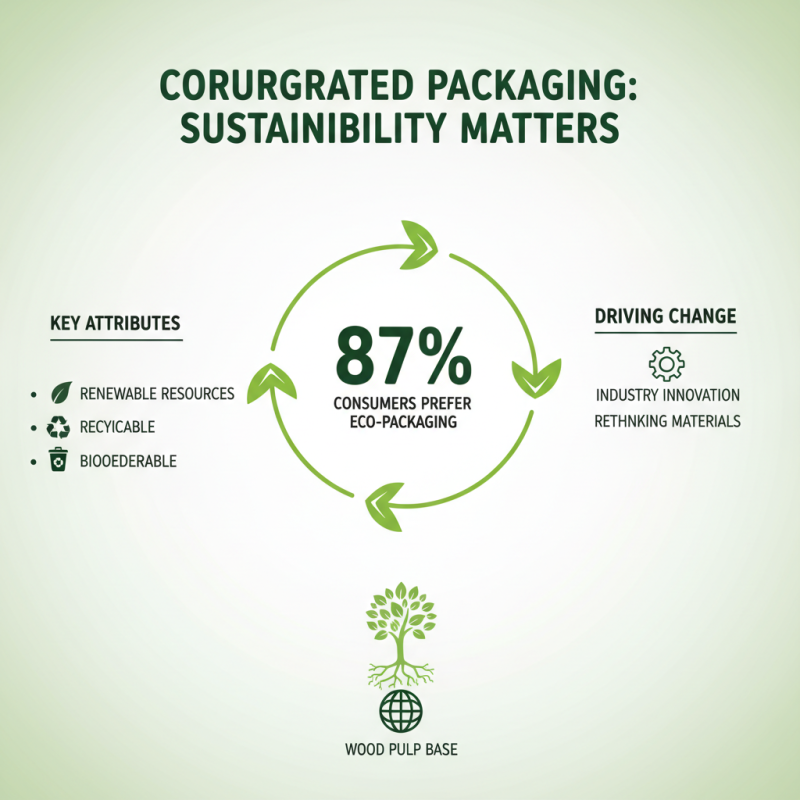
Sustainability is a key focus in the corrugated packaging industry. Recent studies show that nearly 87% of consumers prefer eco-friendly packaging. The demand for sustainable solutions is driving companies to rethink their materials. Corrugated packaging is made from renewable resources, primarily wood pulp. This makes it biodegradable and recyclable.
According to a 2022 report from the Sustainability Consortium, the environmental impact of corrugated packaging is significantly lower than plastic alternatives. The energy used in production is about 30% less than that of non-renewable materials. However, not all corrugated options are created equal. Many companies still struggle with sourcing sustainable materials. There is a noticeable gap between consumer preference and industry practices.
Recycling rates for corrugated materials stand at around 96%. Still, not enough companies prioritize using recycled content. This contradiction highlights a need for deeper reflection within the industry. Achieving true sustainability requires more than just meeting consumer expectations. Companies must embrace transparent practices and invest in sustainable technology. By doing so, they can lead the way in eco-friendly packaging solutions.
Cost-Effectiveness of Corrugated Packaging for Business Efficiency
The cost-effectiveness of corrugated packaging has become a focal point for businesses aiming to improve efficiency. According to a report by Smithers Pira, corrugated packaging accounts for over 30% of the global packaging market. This material is not only lightweight but also durable, making it ideal for shipping. Businesses can save up to 25% on shipping costs by using lighter materials, and corrugated cardboard is often the solution.
Data shows that over 70% of consumers prefer products packaged in environmentally friendly materials. With corrugated cardboard being recyclable and biodegradable, companies can enhance their sustainability credentials. However, the cost of production can vary significantly. Some manufacturers charge more for custom sizes or designs. This could lead businesses to spend more without realizing the long-term savings corrugated packaging can offer.
Investing in corrugated packaging can streamline operations. Efficient design helps reduce waste and improves storage space. Yet, some companies overlook the importance of testing packaging durability under various conditions. Poor packaging can lead to product damage, negating potential savings. Businesses must constantly evaluate their packaging choices to strike a balance between cost and efficiency.
Cost-Effectiveness of Corrugated Packaging Solutions