Best Perfume Bottle Options for Global Buyers 2026?
The Perfume Bottle industry is evolving rapidly. A recent report from Market Research Future highlights a projected growth rate of 4.5% annually from 2021 to 2026. Global buyers are increasingly seeking unique and high-quality perfume bottle options that reflect their brand identity. Experts in the field emphasize that packaging plays a crucial role in consumer choices.
According to Dr. Samuel Rodriguez, an expert in fragrance packaging design, "The perfume bottle is not just a container; it tells a story." This underscores the importance of selecting the right design, material, and functionality for today's discerning consumers. The challenge lies in balancing aesthetics and practicality while catering to diverse markets. Each region has distinct preferences, adding complexity to the sourcing process.
Sustainability is also a pressing concern. Many buyers prefer eco-friendly materials that minimize environmental impact. Despite these advancements, some brands still struggle with outdated designs. It is essential for buyers to reflect on their choices carefully. The right perfume bottle can elevate a fragrance, making it memorable and desirable. This underscores why selecting the best options is critical for success in 2026 and beyond.
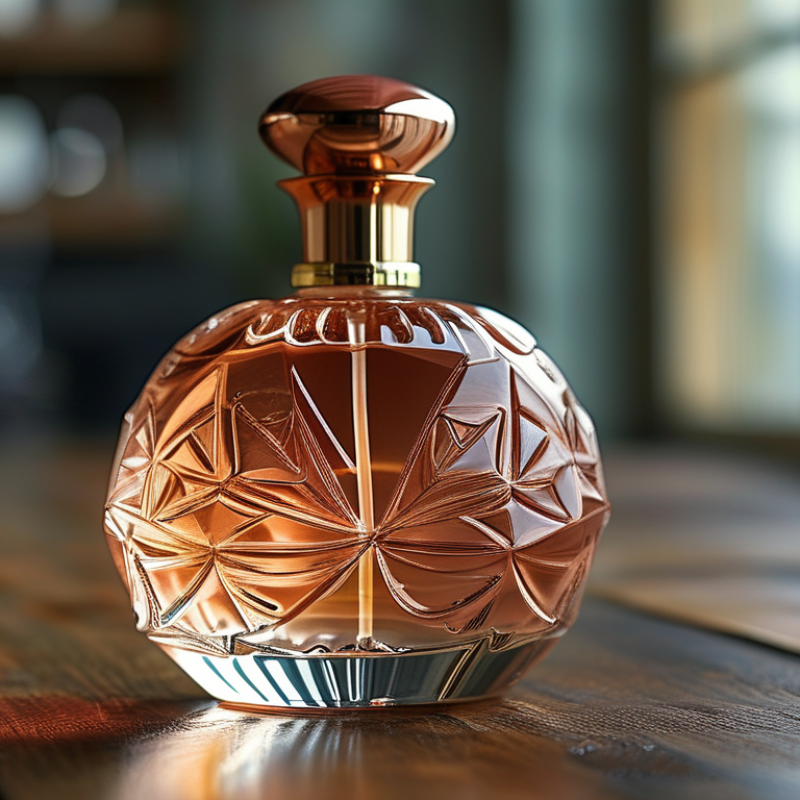
Best Perfume Bottle Materials for Global Buyers in 2026
When considering the best perfume bottle materials for global buyers in 2026, several factors come into play. Glass remains a top choice due to its ability to preserve fragrance integrity. According to industry reports, glass maintains 95% of perfume stability over time. This makes it a preferred option for luxury brands aiming to deliver high-quality products.
Plastic, on the other hand, is gaining traction. Its lightweight properties offer convenience, especially for travelers. Recent studies indicate that the global plastic perfume bottle market is projected to grow by 4% annually. Yet, it raises sustainability concerns. Many consumers increasingly prioritize eco-friendly options. Recyclable materials are now more sought after, influencing design choices.
Additionally, metal is emerging as a strong contender. It showcases durability and a modern aesthetic. Some brands use aluminum for its lightweight characteristics and ability to be recycled. However, not every consumer appreciates metallic finishes. There is still a significant preference for traditional styles. This discrepancy highlights the industry’s challenge in balancing innovation and consumer expectations.
Trends in Perfume Bottle Design and Aesthetics for 2026
The world of perfume bottle design is evolving rapidly as we approach 2026. Consumers are increasingly drawn to unique shapes and artistic elements. Sleek, minimalist designs are making a strong statement, while bold colors catch the eye. Materials are shifting as well. Glass remains popular, but alternatives like eco-friendly plastics are rising. This shift reflects a growing consumer demand for sustainability.
A key trend is personalization. Many buyers seek bottles that tell a story or connect to their identity. Customizable elements are more common. This engages customers on a deeper level. Furthermore, the tactile experience is gaining importance. Textured surfaces and ergonomic designs enhance how consumers interact with bottles.
However, there are challenges. While creativity is crucial, functional aspects must not be overlooked. Bottles need to be practical for both use and storage. Balancing art and utility is a delicate task. The design process can feel overwhelming at times, prompting reflection on priorities. As designers navigate these trends, the quest for originality continues to shape the perfume bottle landscape.
Eco-Friendly Options: Sustainable Perfume Bottles for Conscious Consumers
As the demand for sustainable products grows, eco-friendly perfume bottles are gaining traction. Conscious consumers now seek options that reflect their values. Many brands are embracing materials like post-consumer recycled glass and biodegradable plastics. These materials help reduce landfill waste and lower carbon footprints.
Innovative designs are also emerging. Refillable bottles allow users to enjoy their favorite scents while minimizing waste. Some brands offer elegant, sleek designs that blend style with sustainability. The use of natural dyes for labeling adds to the appeal, creating a holistic eco-friendly experience. However, not all options are created equal. Some eco-friendly bottles may lack durability, leading to potential frustration for users.
It's essential to consider the entire lifecycle of a product. While sustainable materials can be a step forward, production processes still leave room for improvement. Consumers might face challenges in finding truly sustainable brands. Researching and asking questions could lead to better choices. The industry is evolving, and every small step toward sustainability can make a difference.
Customization and Personalization Trends in Perfume Bottles for 2026
The perfume industry is witnessing a significant shift towards customization and personalization, especially in bottle design. According to a recent report by Grand View Research, the global personalized fragrance market is expected to grow at a CAGR of over 8% from 2022 to 2030. This trend shows how consumers are increasingly seeking unique products that reflect their individual identities.
Customization in perfume bottles allows brands to engage with buyers more meaningfully. Consumers are not just buying a scent; they are purchasing an experience. Simple touches, like engraving names or selecting unique bottle shapes, make products feel exclusive. While many brands have embraced this shift, there is still room for improvement. Some companies struggle to balance customization with efficient production processes, potentially compromising quality.
Personalization is evolving beyond traditional methods. High-tech solutions, like 3D printing, are becoming more common. This technology can create bespoke designs on a larger scale, but it also raises questions about sustainability. As the market expands, brands must find ways to personalize without harming the environment. Addressing these issues thoughtfully is crucial as we move toward 2026 and beyond.
Key Market Players and Manufacturers in the Perfume Bottle Industry 2026
In the perfume bottle industry, key market players are essential drivers of innovation and design. Major manufacturers focus on sustainable practices and creative packaging solutions. This direction not only meets consumer demands but also enhances brand loyalty. Craftsmanship and creativity play pivotal roles in attracting global buyers, particularly as trends evolve.
With rising competition, companies invest in research to develop new materials. Glass remains the preferred choice for luxury brands, while eco-friendly options gain traction. However, the challenge lies in balancing aesthetics with functionality. Not every design captures the essence of the fragrance, leading to wasted opportunities. Additionally, the push for sustainability is not always met with clear guidelines.
Understanding consumer preferences is crucial for market players. Many manufacturers conduct surveys to grasp emerging trends. Yet, there is always a gap between intent and execution. Some designs that prove popular may not align with the brand's message. This inconsistency can confuse consumers and undermine trust. The perfume bottle industry requires continuous reflection to ensure alignment with evolving consumer expectations.
Best Perfume Bottle Options for Global Buyers 2026