2026 Best Print Inspection Techniques and Technologies?
In the rapidly evolving world of printing, the significance of Print Inspection cannot be overstated. High-quality print inspection techniques ensure that products meet established standards. Print inspection involves examining printed materials for errors, imperfections, and inconsistencies. These checks are essential in various industries, including packaging, textiles, and newspapers.
Modern technologies play a crucial role in enhancing print inspection processes. From camera systems to advanced software, innovations are transforming how we monitor print quality. However, even with advanced tools, challenges remain. Technical glitches and false positives can still occur, leading to costly mistakes. Continuous improvement is necessary to refine these inspection methods.
As we explore the best print inspection techniques and technologies for 2026, it’s essential to recognize areas for growth. Striking a balance between automation and manual inspections might improve overall efficiency. By addressing these limitations, we can pave the way for more effective print inspection solutions. Emphasizing quality will only strengthen the market's overall integrity.
Overview of Print Inspection Techniques in 2026
Print inspection techniques continue to evolve in 2026, driven by technological advancements and industry demands. According to a report by Smithers Pira, the global print inspection market is expected to grow by 7% annually. Automation is at the forefront of this growth. Automated systems can detect errors quickly, but they also require careful tuning to avoid false positives. This adjustment is essential to maintain efficiency without sacrificing quality.
In addition to automation, AI-based inspection methods are gaining traction. These methods can analyze vast amounts of data and improve accuracy. However, integrating AI into existing systems presents challenges. Not all companies have the resources for full implementation. A balance must be struck between innovation and practicality. As noted by tech analysts, around 45% of companies face hurdles in adapting to new technologies.
Another area to consider is the rise of high-resolution imaging. This technology provides exceptional detail. Yet, it can lead to a data overload, making it hard to focus on critical issues. Companies must find ways to streamline processes while ensuring thorough inspections. Data from the International Association of Printing says that 60% of print defects are still caught manually. This highlights the need for better support systems in print inspection.
Current Technologies Used for Print Inspection
Print inspection technology has evolved significantly. Current methods focus on accuracy and efficiency. Traditional visual inspection is becoming less common as it is often subjective and prone to human error. Many companies now employ automated inspection systems. These technologies can quickly detect defects, enhancing quality control in production lines.
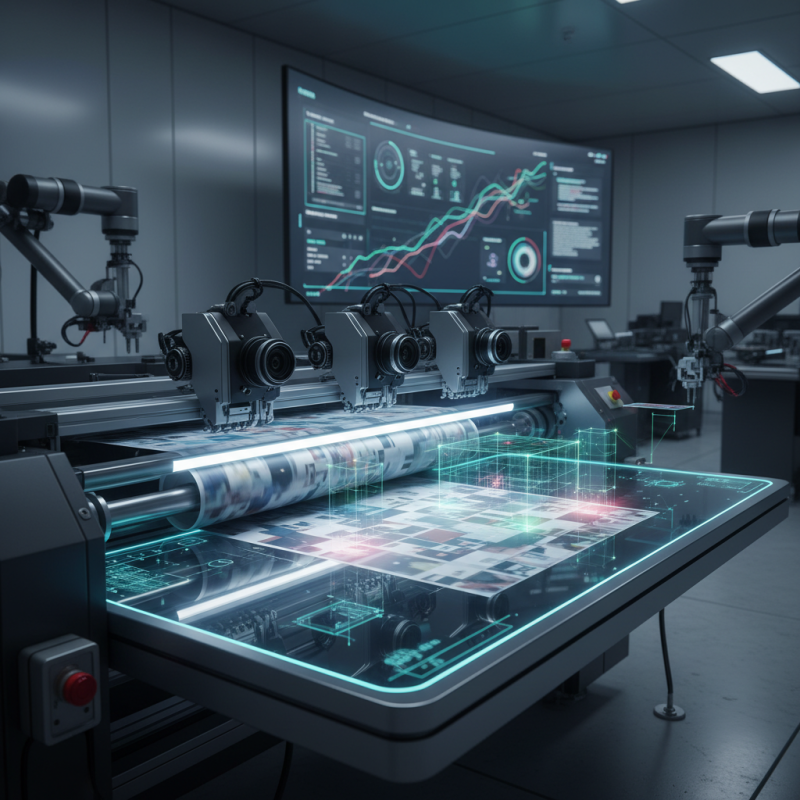
Cameras and sensors are crucial in this process. Advanced imaging techniques capture high-resolution images. Machine learning algorithms analyze these images for defects. Sometimes, the results can lead to false positives, challenging operators to refine the systems.
Regular updates to algorithms are necessary as they must adapt to different print materials. Inks and substrates present unique challenges; variations can affect print quality. Operators should remain vigilant. Even the best systems require human oversight. Continuous training and feedback improve overall effectiveness. The need for regular calibration is vital, as imperfections can arise from various sources, leading to costly mistakes.
Emerging Trends in Print Inspection Technologies
Emerging trends in print inspection technologies are transforming the industry. According to recent data, over 70% of print companies are adopting automated inspection systems. This shift is driven by the need for improved quality and efficiency. Manual inspection methods are often inconsistent and prone to errors. Automation not only reduces human error but also enhances speed.
AI and machine learning are pivotal in advancing print inspection. These technologies enable systems to learn from past data, improving their accuracy over time. A report indicated that AI-driven inspections can identify defects 30% faster than traditional methods. However, integrating such technologies is not without challenges. Many companies struggle with the initial costs and the learning curve associated with new systems.
Another trend is the rise of inline inspection systems. These systems monitor quality during production. They catch defects in real-time, preventing large-scale waste. Yet, even with these advancements, some companies report difficulties in achieving zero-defect production. Balancing quality and speed remains a point of reflection for the industry. Continuous evolution in print inspection technology drives us toward higher standards, yet significant challenges persist.
Comparative Analysis of Print Inspection Methods
In the rapidly evolving field of print inspection, various techniques and technologies have emerged. These methods range from traditional visual checks to advanced machine vision systems. Each technique has its strengths and weaknesses. For instance, manual inspection relies heavily on human judgment, which can lead to inconsistencies. Fatigue can impact workers, causing missed defects.
On the other hand, automated systems offer speed and precision. High-resolution cameras can detect minute flaws in real-time. However, these systems often require significant upfront investment. They may not be feasible for smaller operations. Adapting to new technologies can also pose challenges.
Staff training is crucial. Without proper understanding, technology may not be utilized effectively. Finding the right balance between manual and automated inspection methods is vital for quality control. Each method can complement the other, leading to improved results.
Future Directions and Innovations in Print Inspection
As the print industry evolves, so do the inspection technologies that ensure quality. Innovations in artificial intelligence (AI) are paving the way for more efficient print inspections. According to a recent industry report, 70% of leading companies are investing in AI to enhance defect detection and reduce waste. AI systems can analyze print images at lightning speed, identifying issues that traditional methods might miss.
The use of 3D imaging technologies is also gaining traction. These methods offer a more comprehensive view of printed products, capturing subtle color variations and texture details. Some reports estimate that 3D inspection can reduce error rates by up to 50%. This shift is critical as businesses strive for perfection in their print outputs.
Tip: Consider integrating a mix of technologies. Using AI alongside 3D imaging could provide a more robust inspection process and minimize oversight.
While advancements are promising, challenges remain. Integrating new technologies can be costly. Many companies struggle to train staff effectively. Moreover, as systems become more complex, reliance on technology increases. A balance between human oversight and automation is essential to ensure quality.
Tip: Regularly evaluate the effectiveness of new technologies. Adaptive strategies can help maintain quality while also embracing innovation.
2026 Best Print Inspection Techniques and Technologies
| Inspection Technique | Technology Type | Key Features | Applications | Future Innovations |
| Machine Vision | AI-based Imaging | High accuracy, real-time processing | Labeling, packaging inspections | Enhanced deep learning algorithms |
| Ultrasonic Inspection | Non-destructive Testing | Detects internal flaws, material thickness | Quality control in materials | Integration with IoT for remote monitoring |
| Spectral Analysis | Colorimeter | Measures color accuracy and consistency | Printing and dyeing processes | Automated color management systems |
| Barcode and QR Code Scanning | Optical Scanning | Fast, accurate reading of codes | Inventory tracking, retail | Integration with mobile and cloud services |
| Edge Detection Algorithms | Image Processing | Identifies defects and image boundaries | Print quality assurance | Real-time defect detection improvements |