
2026 Best Printing and Packaging Solutions for Modern Businesses?
In today's fast-paced business landscape, the importance of effective printing and packaging cannot be overstated. Modern businesses require innovative solutions that reflect their brand values while also meeting consumer demands. Quality printing and packaging are essential for standing out in a crowded marketplace. Many companies struggle to find the right balance between aesthetics and functionality.
Moreover, it’s crucial to keep up with the latest trends in printing and packaging. Businesses must consider sustainability and efficiency as they design their products. The choices made today impact impressions and the environment for years to come. Striking the right chord can be challenging, as companies must navigate various options and technologies.
Yet, with the right approach, businesses can transform their brand presence. Exploring diverse printing and packaging solutions is not just about labels and boxes; it’s about storytelling. A well-crafted package can speak volumes. As we examine the best options for 2026, let’s reflect on what truly resonates with customers while remaining practical and thoughtful in our choices.

2026 Trends in Printing and Packaging Technologies for Businesses
In 2026, the printing and packaging industry is significantly evolving. New technologies are reshaping how businesses present their products. Innovations in digital printing are enabling faster production times. Companies are embracing sustainable materials to appeal to eco-conscious consumers. These shifts provide new opportunities for branding and engagement.
3D printing is gaining traction. It allows for personalized packaging designs that stand out. However, the initial investment can be high. Businesses must weigh the benefits against costs. Another trend is the integration of smart technologies. Packaging with QR codes or NFC chips enhances customer interaction. This trend invites reflection on data privacy concerns.
Automation also transforms operational efficiency. Robotic systems streamline workflows, reducing labor costs. Yet, this raises questions about the workforce's future. Balancing technology with human touch is essential. As the industry adapts, constant evaluation of these trends will be crucial for sustainable growth.
2026 Best Printing and Packaging Solutions for Modern Businesses
| Technology | Description | Benefits | Sustainability |
|---|---|---|---|
| Digital Printing | A modern method of printing that uses digital files for printing directly onto materials. | Faster turnaround, customization options, and cost-effectiveness for short runs. | Uses eco-friendly inks and materials can be sourced sustainably. |
| Eco-Friendly Packaging | Packaging solutions designed to reduce environmental impact, often made from recycled materials. | Enhances brand image, meets consumer demand for sustainability, and complies with regulations. | Made from biodegradable or recyclable materials. |
| 3D Printing | Additive manufacturing technique that creates three-dimensional objects from digital files. | Enables complex designs, reduces waste, and allows for rapid prototyping. | Can utilize recycled plastics and biocompatible materials. |
| Augmented Reality Packaging | Integrating AR technology with packaging to enhance customer interaction. | Increases consumer engagement and provides additional information with interactive elements. | Promotes recycling as customers can access recycling instructions through AR. |
| Smart Packaging | Packaging that incorporates sensors and other technology to monitor freshness and safety. | Improves supply chain efficiency, reduces waste, and enhances consumer trust. | Often uses minimal material, focusing on functionality and sustainability. |
Sustainable Materials and Their Impact on the Packaging Industry
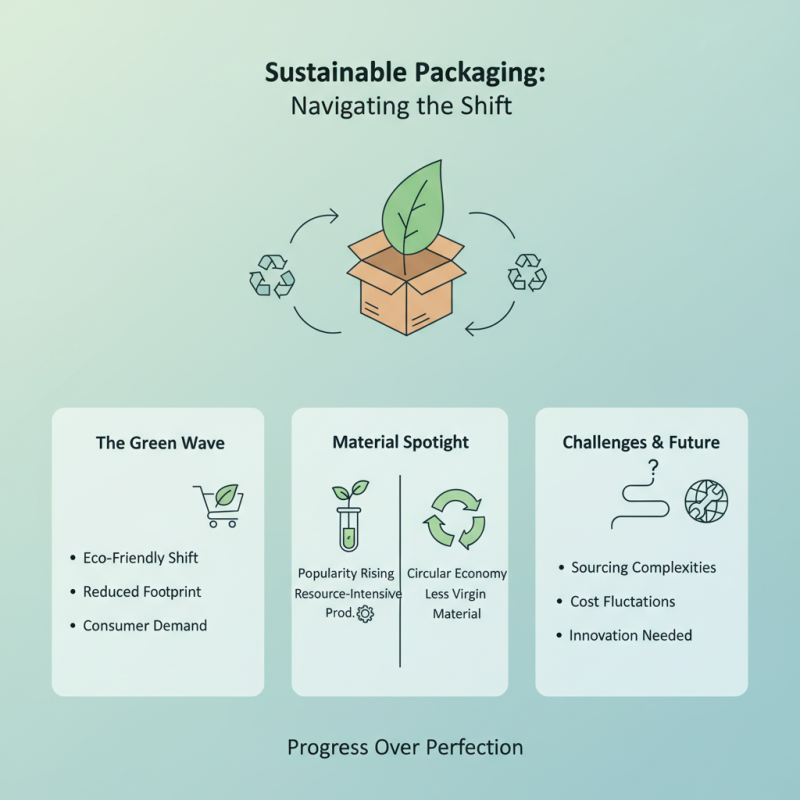
Sustainable materials are transforming the packaging industry. Many businesses are shifting towards eco-friendly options. However, the transition is not always smooth. Sourcing sustainable materials can be challenging. For instance, bioplastics are gaining popularity, yet their production is often resource-intensive. This raises questions about overall sustainability.
Using recycled materials seems like a perfect solution. But the quality of recycled plastics can vary. This inconsistency poses risks for products that rely on packaging integrity. Many companies are experimenting with plant-based inks. These inks, while environmentally friendly, may come with limitations in durability and color vibrancy. Consumers often prefer vibrant packaging, creating a dilemma for manufacturers.
The industry faces a balancing act. Businesses must weigh the benefits of sustainability against performance issues. Each choice has implications for cost, functionality, and environmental impact. As companies adopt sustainable practices, they must continue to innovate. Experimentation is vital, as is open dialogue about challenges. Recognizing imperfections can pave the way for better solutions in the future.
Digital Printing Innovations Driving Efficiency in Packaging Solutions
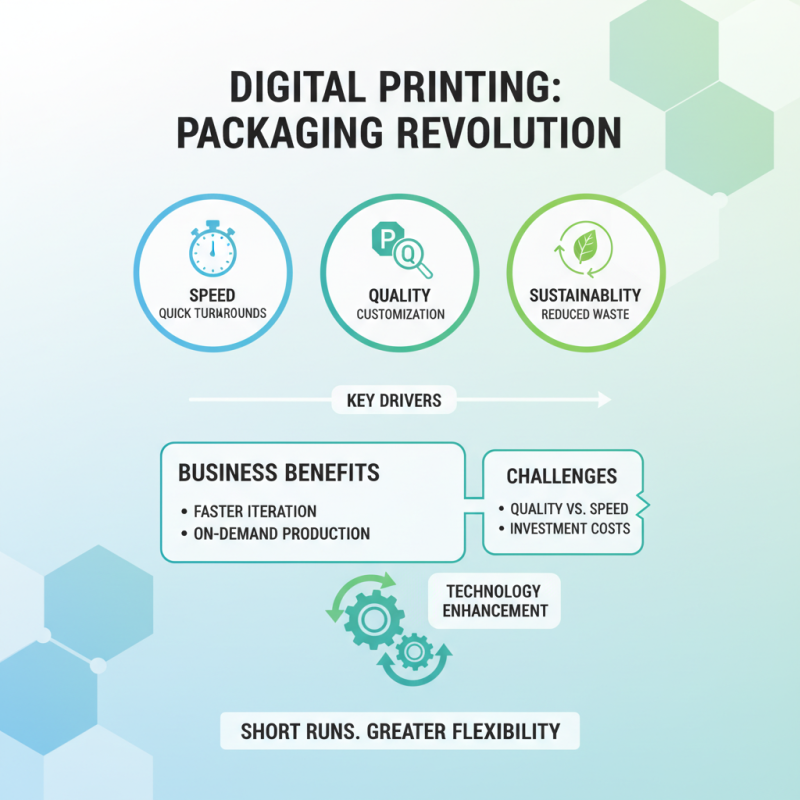
In today’s rapidly evolving business landscape, digital printing innovations have revolutionized packaging solutions. Businesses now consider how technology can enhance their processes. Speed, quality, and sustainability are essential drivers in this shift. Digital printing allows for shorter runs and quicker turnarounds. This flexibility can meet demand, but it does come with challenges. Companies often struggle to balance quality with production speed.
There's a notable emphasis on custom packaging nowadays. Unique designs can help products stand out. Personalized packaging can create a strong brand connection with consumers. However, the reliance on digital solutions also raises questions about consistency and reliability. A misaligned print run or color deviation can impact brand integrity. Organizations must continuously assess their digital processes to maintain quality.
Efficiency in packaging is not solely about speed. It also involves understanding materials and processes. Eco-friendly options are increasing in demand. Businesses should explore sustainable materials that complement digital printing techniques. This balance can lead to better outcomes but requires ongoing commitment and adaptation. Embracing change is vital, but it’s important to reflect on both successes and setbacks in these innovative journeys.
Cost Analysis: Traditional vs. Modern Printing Methods in 2026
In 2026, businesses face critical decisions in printing methods. Traditional printing often requires larger setups and more materials. This leads to higher startup costs and waste. Many companies still rely on offset printing for its quality, but expenses can add up quickly. Ink, paper, and labor contribute to a rising budget that might scare some away.
Modern printing methods like digital printing offer flexibility. They can produce small batches efficiently. This saves on inventory costs. However, the technology and machinery can be expensive. Not all businesses can afford the latest digital printers. It's essential to weigh these costs against potential savings. Companies must consider what fits their needs best, which isn’t always clear-cut.
The analysis reveals that traditional methods provide consistency but at a premium price. Modern methods allow for agility but require significant investment upfront. Each approach has its flaws and benefits. Businesses need to reflect on these aspects before making decisions. Identifying the right fit could mean the difference between success and failure in today's competitive landscape.
Consumer Expectations: Personalization in Packaging Design and Branding
Consumer expectations are rapidly evolving, especially in terms of packaging design.
Personalization has become a focal point for businesses.
Shoppers today want products that resonate with their personal values and tastes.
Custom packaging can make a significant difference.
A simple touch, like unique colors or personalized messages, can enhance the consumer's experience.
Many brands are experimenting with various designs to find what truly connects with their audience.
However, achieving the right level of personalization is challenging. Some businesses may overdo it, which can lead to a disconnect.
Excessive embellishments can obscure the brand's message. Balancing creativity and clarity is crucial.
Brands should focus on sustainable materials. Eco-friendly packaging options are becoming increasingly important.
Many consumers now expect brands to be environmentally responsible.
Marketers need to gather feedback continuously. It helps refine packaging strategies. Knowing what works for their audience is vital.
Data-driven decisions can guide changes. Yet, not all businesses have the means to do this effectively.
There can be a temptation to follow trends without understanding the audience. This could result in misaligned branding efforts.
Adopting a flexible approach to personalization can mitigate these risks. By focusing on authenticity,
brands can stand out in a crowded marketplace.
Related Posts
-
10 Essential Tips for Effective Marketing Boxes Packaging Strategies?
-

Why Creating Packaging Is Essential for Successful Product Marketing
-
Top 10 Tips for Creating Packaging That Boosts Sales and Attracts Customers
-
Top Trends in Printing and Packaging You Need to Know for 2023
-
What is Card Box Packaging and Why is it Important?
-
Why Choose Paper Box Packaging for Your Eco Friendly Business Solutions