What is Card Box Packaging and Its Benefits for Businesses?
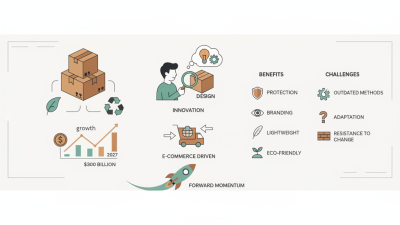
Card box packaging is gaining popularity among businesses for its versatility and sustainability. According to a report by Smithers Pira, the global market for cardboard packaging is expected to reach $200 billion by 2024. This growth highlights the increasing demand for eco-friendly options in packaging solutions.
The benefits of card box packaging extend beyond basic functionality. For instance, these boxes are lightweight yet strong, making them ideal for shipping and storage. They can be customized easily, allowing brands to create unique designs that enhance recognition. However, despite the advantages, some companies still struggle with choosing the right materials and sizes, leading to potential waste and inefficiencies.
As businesses continue to seek reliable packaging solutions, card box packaging stands out. It not only serves practical needs but also aligns with environmental standards. Yet, not all card box packaging options provide the same level of quality. Businesses must assess their choices carefully to ensure they meet both their operational needs and sustainability goals.
What is Card Box Packaging?
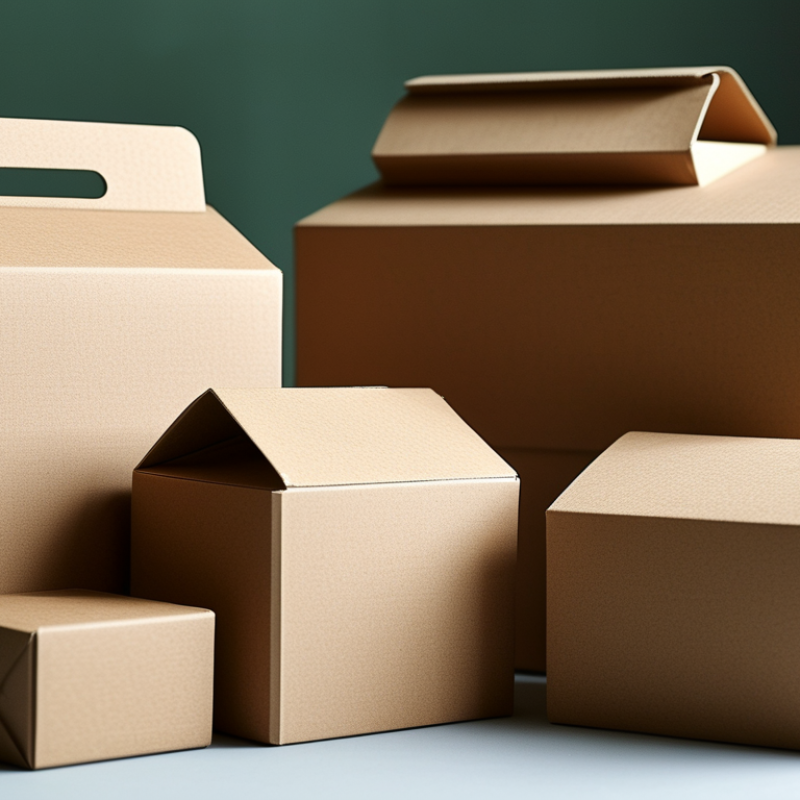
Card box packaging is a versatile and practical solution for various businesses. These boxes are made from sturdy cardboard materials, providing excellent durability. They are lightweight yet strong, making them suitable for shipping products safely. The design can be tailored to fit different sizes, ensuring a snug fit for the items inside.
One significant advantage of card box packaging is its eco-friendliness. Many consumers today seek sustainable options. Cardboard is recyclable, reducing environmental impact. Businesses that adopt this packaging type often enhance their brand image. They show commitment to sustainability. However, not all cardboard options are created equal. Some may lack strength or moisture resistance, leading to product damage.
Customization is another key feature. Companies can print logos and graphics directly onto the box. This creates eye-catching designs that attract customers. However, it’s essential to balance aesthetics with functionality. Overly elaborate designs can increase production costs. Reflecting on the practical aspects while aiming for visual appeal is crucial. Ultimately, card box packaging serves as a bridge between functionality and brand identity.
Key Materials Used in Card Box Packaging
Card box packaging has gained prominence in various industries due to its lightweight and versatile nature. The primary materials used in card box packaging include cardboard, paperboard, and sometimes corrugated materials. Cardboard is strong yet easily customizable, making it ideal for intricate designs. Paperboard provides a smoother surface, perfect for high-quality prints.
Sustainability is a growing concern. Many businesses prefer recycled materials for their packaging. This choice reflects a commitment to eco-friendly practices. However, sourcing recycled materials can introduce inconsistencies in quality. Not all suppliers guarantee the same standard. Businesses must therefore assess their suppliers carefully.
Another critical aspect is the protective qualities of card box packaging. The design often integrates features that enhance durability. For instance, some packages are crafted to resist moisture or impact. Yet, not all designs perform equally well in real-world situations. Companies might find that certain prototypes do not meet their expectations during transit. A proactive approach in testing various designs can be invaluable.
What is Card Box Packaging and Its Benefits for Businesses? - Key Materials Used in Card Box Packaging
| Material Type |
Description |
Benefits |
Suitability |
| Kraft Paper |
A durable and recyclable paper made from wood pulp. |
Eco-friendly, strong and provides good protection for contents. |
Food packaging, retail items. |
| Paperboard |
A thicker and sturdier type of paper typically used for higher quality packaging. |
Great for printing, can be customized easily and is economical. |
Consumer goods, electronics. |
| Corrugated Cardboard |
Made of a fluted middle layer sandwiched between two flat layers. |
Highly protective, lightweight, and offers great stacking strength. |
Shipping, heavy goods. |
| Recycled Cardboard |
Made from reprocessed waste material, making it an eco-friendly option. |
Reduces environmental impact, cost-effective. |
General packaging needs. |
| Coated Paper |
Paper that has been coated to provide a smooth surface for printing. |
Enhances print quality and color vibrancy. |
Luxury items, cosmetics. |
Advantages of Card Box Packaging for Businesses
Card box packaging has become increasingly popular among businesses, and its benefits are significant. According to a report from Smithers Pira, the global packaging market is expected to reach $1 trillion by 2024, with sustainable packaging options such as card boxes leading the way. This growth reflects an increasing awareness among businesses about the need for eco-friendly materials.
Card boxes are not only recyclable but also biodegradable, which helps companies reduce their carbon footprint.
Cost-effectiveness is another advantage. A survey conducted by Technavio found that companies using card box packaging can cut their costs by 10-30% compared to traditional materials. This is due to reduced shipping expenses and efficient storage capabilities. Lightweight and customizable, card boxes also allow for easy branding. Businesses can print unique designs that boost visibility and enhance the customer experience. However, the quality of materials must be considered. Poorly made boxes can lead to damaged products, which raises additional costs for replacements.
Customer preferences are shifting toward sustainable choices. A Nielsen report indicated that 73% of millennials are willing to pay more for sustainable products. Card boxes align well with this trend. They offer both functionality and aesthetics. Yet, it is crucial for businesses to strike a balance between cost and quality to avoid compromising customer satisfaction.
Cost-Effectiveness of Card Box Packaging Solutions
Card box packaging is increasingly favored by businesses for its cost-effectiveness. According to a recent industry report, companies can save up to 30% on packaging costs by switching to this material. Cardboard boxes are lightweight, reducing shipping expenses significantly. A survey indicated that 70% of businesses prefer card box packaging for its easy-to-handle design and lower transportation costs.
The durability of card boxes also plays a vital role in cost savings. They offer excellent protection for products, reducing damage during transit. Studies show that 40% of products are damaged in shipping due to inadequate packaging. Using card boxes can lower these incidents, leading to fewer returns and greater customer satisfaction. Furthermore, social responsibility is a growing concern. Cardboard is often recyclable, capturing the attention of environmentally conscious consumers.
However, relying solely on card box packaging isn't without drawbacks. Some products may not have optimal protection against moisture or heavy impacts. Companies need to assess their specific needs before deciding. While card boxes are versatile, there may be cases where alternative materials are more suitable. Balancing these factors is crucial for maximizing the benefits of card box packaging solutions.
Sustainability and Environmental Impact of Card Box Packaging
Card box packaging stands out for its eco-friendliness and effectiveness. Businesses increasingly turn to sustainable materials. Cardboard is often recyclable, biodegradable, and lightweight. These attributes reduce environmental impact, making a positive contribution to sustainability goals. Companies can use these boxes for shipping, storage, and display purposes, aligning their operations with a greener vision.
Considering the expected lifespan of products, it’s crucial to assess packaging durability. Not all cardboard options are sturdy enough for protection. Some businesses may focus on aesthetics over functionality, which could lead to product damages. Packaging should balance design and resilience while ensuring it doesn't end up in landfills too quickly. Regular evaluations of packaging choices are essential for continuous improvement.
Tips for sustainable packaging: Consider sourcing local materials to reduce carbon footprints. Regularly engage your team in sustainability discussions. It can spark innovative ideas on reducing waste.
Analyzing customer feedback on packaging can also reveal insights. This will help adapt to customer needs and improve environmental practices.