What is Carton Box Packaging and Why is it Important?
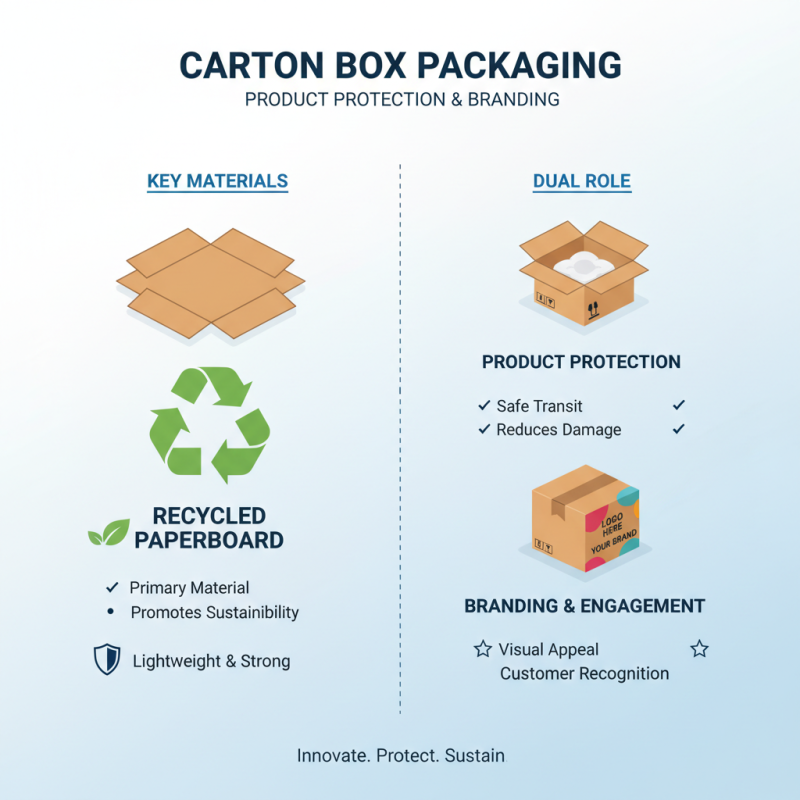
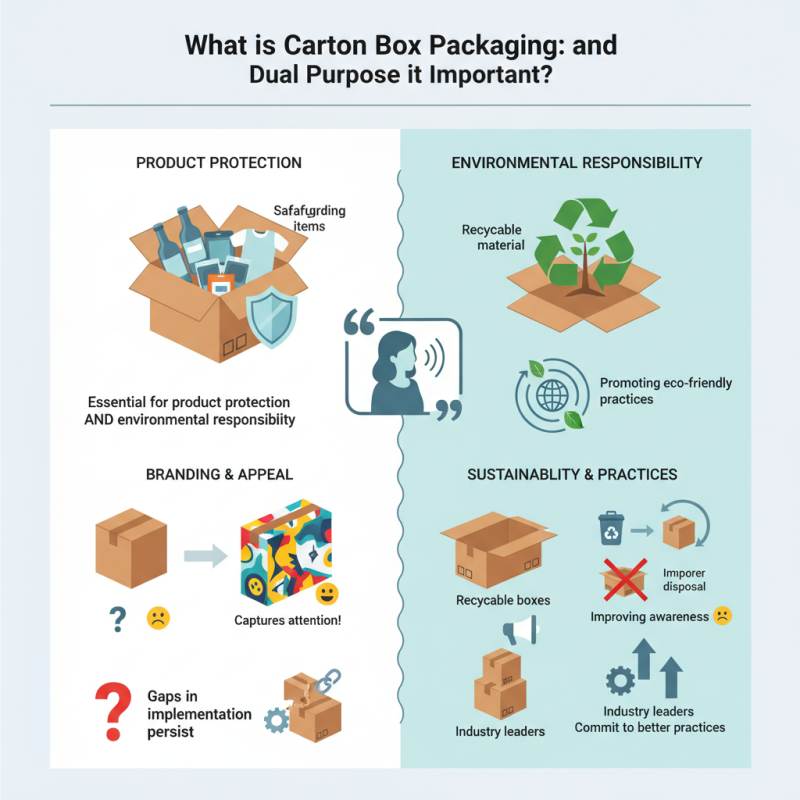
Carton box packaging plays a crucial role in the modern shipping and storage industry. According to Sarah Thompson, a leading expert in sustainable packaging, "Carton box packaging is essential for product protection and environmental responsibility." This statement highlights its dual purpose: safeguarding items and promoting eco-friendly practices.
The importance of carton box packaging extends beyond mere protection. It is an integral component of branding. A well-designed carton can enhance a product’s appeal. Bright colors and innovative designs capture consumer attention. Yet, not all brands prioritize this aspect. Some still use plain, unmarked boxes that fail to engage customers. This lack of effort can lead to missed opportunities.
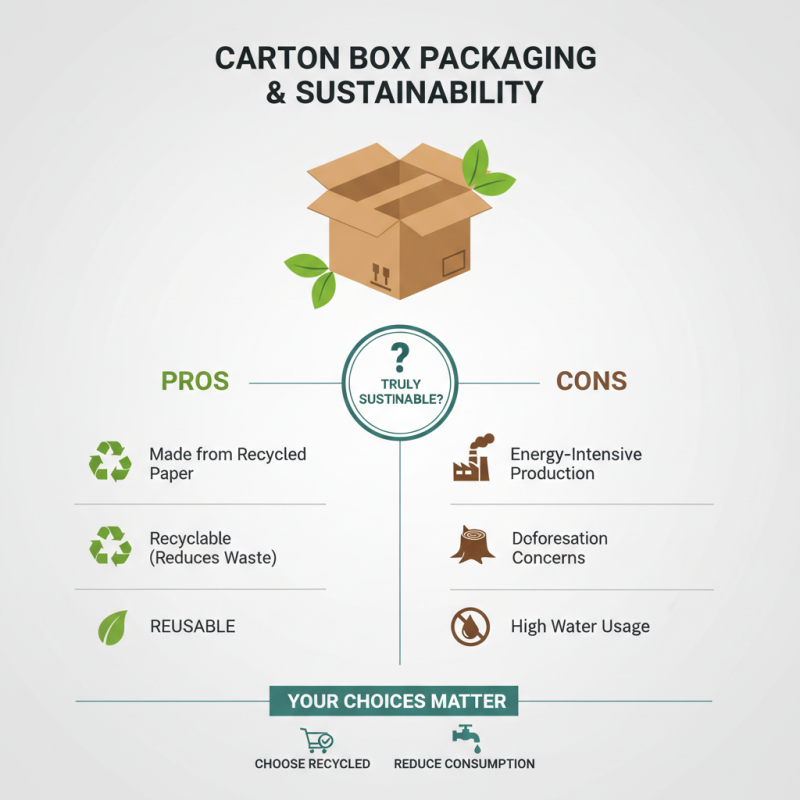
Moreover, sustainability is a growing concern. Many manufacturers need to rethink their packaging methods. While carton boxes are recyclable, improper disposal remains a challenge. Improving awareness around recycling practices is essential. Despite the advantages of carton box packaging, gaps in implementation persist. This requires industry leaders to reflect on their strategies and commit to better practices.
What is Carton Box Packaging?
Carton box packaging refers to the use of cardboard boxes for storing and transporting goods. These boxes are made from compressed paper fibers. They provide a lightweight yet sturdy option for various products. Additionally, carton boxes can be easily customized to fit different sizes and shapes. This versatility makes them popular across many industries.
One significant advantage of carton box packaging is its eco-friendliness. Cardboard is recyclable and biodegradable. This is crucial as the world moves towards sustainable practices. However, not all consumers understand the benefits of using eco-friendly options. Some still prefer plastic packaging, often overlooking the environmental impact.
Carton boxes also offer protection during transit. They shield products from dust, moisture, and physical damage. Yet, the effectiveness varies. Poorly designed boxes may not withstand heavy handling. Inconsistencies in quality can lead to damaged goods and increased costs. Companies need to consider these factors when choosing packaging materials. Balancing cost and quality is essential but often challenging.
Key Materials Used in Carton Box Manufacturing
Carton box packaging plays a vital role in product protection and branding. Key materials used in carton box manufacturing significantly influence its effectiveness. Commonly, recycled paperboard is the primary material. This choice promotes sustainability and reduces waste. It offers lightweight yet strong characteristics, ensuring that products remain safe during transit.
Another important material is corrugated fiberboard. Its multi-layer structure enhances durability. This type of box can withstand rough handling. It is often used for shipping heavy or fragile items. However, not all corrugated boxes are created equal. Some might lack the necessary strength or moisture resistance, which can lead to product damage.
Additionally, adhesive substances are crucial in box construction. They hold the components together. However, the quality varies, impacting the box's longevity. In some cases, inferior adhesives can weaken the structure. This highlights the need for careful selection of materials. By understanding the materials used, manufacturers can better design packaging that meets the needs of their products.
The Role of Carton Box Packaging in Supply Chain Management
Carton box packaging plays a crucial role in supply chain management. It serves as a protective layer for products. During transportation, items face various risks. They can easily get damaged or contaminated. Well-designed carton boxes minimize these risks significantly. They keep products safe, ensuring they reach customers in perfect condition.
Moreover, carton boxes are lightweight and cost-effective. This helps reduce shipping costs. Businesses are always looking for ways to save money. However, using low-quality boxes can lead to significant losses. A damaged product means unhappy customers. It’s essential to balance cost and quality when selecting packaging materials.
Carton box design can improve logistics efficiency. Custom sizes and shapes can optimize space during shipping. This can reduce transit time and warehouse costs. Yet, many businesses overlook this aspect. They stick to generic options that may not fit their needs. Failure to adapt packaging can lead to wasted resources. Investing in thoughtful packaging design is a step many companies struggle with, but it is vital for success.
Carton Box Packaging: Importance in Supply Chain Management
Market Trends and Future Outlook for Carton Box Industry
The carton box packaging industry is undergoing significant changes. Recent market analysis indicates a surge in demand, driven by e-commerce growth. According to industry reports, the global carton packaging market is projected to reach $400 billion by 2027. This growth highlights the increased need for sustainable and efficient packaging solutions.
Sustainability is a driving force behind the trends in carton box packaging. Consumers are increasingly opting for environmentally friendly options. A recent survey found that 60% of consumers prefer products with sustainable packaging. This shift is prompting companies to innovate and improve their packaging materials. However, there are challenges. The transition to eco-friendly materials can lead to higher production costs.
Additionally, the rise of online shopping is shaping the future outlook for this industry. More goods are shipped in carton boxes than ever before. However, the logistics of handling returns remains a concern. Efficiently managing packaging waste is essential. Companies must think critically about their processes. The carton box packaging industry stands at a crossroads, with potential and pitfalls ahead.
What is Carton Box Packaging and Why is it Important? - Market Trends and Future Outlook for Carton Box Industry
| Dimension |
Description |
Current Trends |
Future Outlook |
| Material Types |
Corrugated, Folding Cartons, Rigid Boxes |
Increasing demand for sustainable materials |
Growth in biodegradable options |
| Market Growth |
Significant expansion expected in e-commerce |
Shift towards online shopping |
Projected CAGR of 4.5% over the next 5 years |
| Sustainability |
Focus on eco-friendly designs and materials |
Increased use of recycled materials |
Rising regulations supporting eco-packaging |
| Customization |
Tailored solutions for branding and protection |
Growing demand for personalized packaging |
Emerging technologies enabling on-demand customization |
| Digital Transformation |
Adoption of digital printing and designing technologies |
Increased efficiency in production |
Growth in smart packaging solutions |