How to Choose the Best Paper Packaging for Your Products?
In today’s eco-conscious world, the choice of paper packaging has become crucial for businesses. Experts like Dr. Emily Roberts, a leader in sustainable packaging solutions, emphasize the importance of this decision. She states, “Quality paper packaging not only protects products but also reflects a brand’s commitment to sustainability.” This insight highlights the dual role of paper packaging in both function and marketing.
Choosing the right paper packaging is not purely about aesthetics. It involves understanding the products being packaged and the values they represent. The material used must guarantee product safety while communicating the brand’s ethos. For example, biodegradable options can enhance product appeal and resonate with environmentally mindful consumers.
Many businesses struggle to balance cost and sustainability. It’s easy to opt for cheaper options, but these may compromise quality. Reflecting on past choices can reveal missed opportunities for brand differentiation. Ultimately, investing in high-quality paper packaging demonstrates a brand’s integrity and dedication to a greener future.
Factors to Consider When Selecting Paper Packaging Materials
Choosing the right paper packaging for your products involves careful consideration of various factors. Understanding these elements is crucial for effective decision-making.
Material strength is paramount. Ensure the packaging can withstand handling and transport. A weak package may lead to product damage, resulting in financial loss.
Sustainability is another factor worth pondering. Many consumers prefer eco-friendly options. Selecting recyclable or biodegradable paper can enhance your brand's reputation. However, sourcing these materials can sometimes pose challenges. Availability and cost may not always align with your needs.
Balancing eco-friendliness with budget constraints requires ongoing assessment.
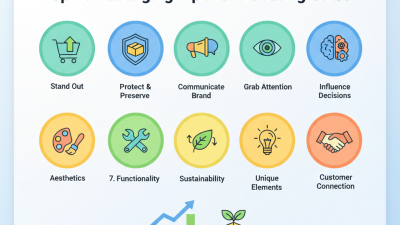
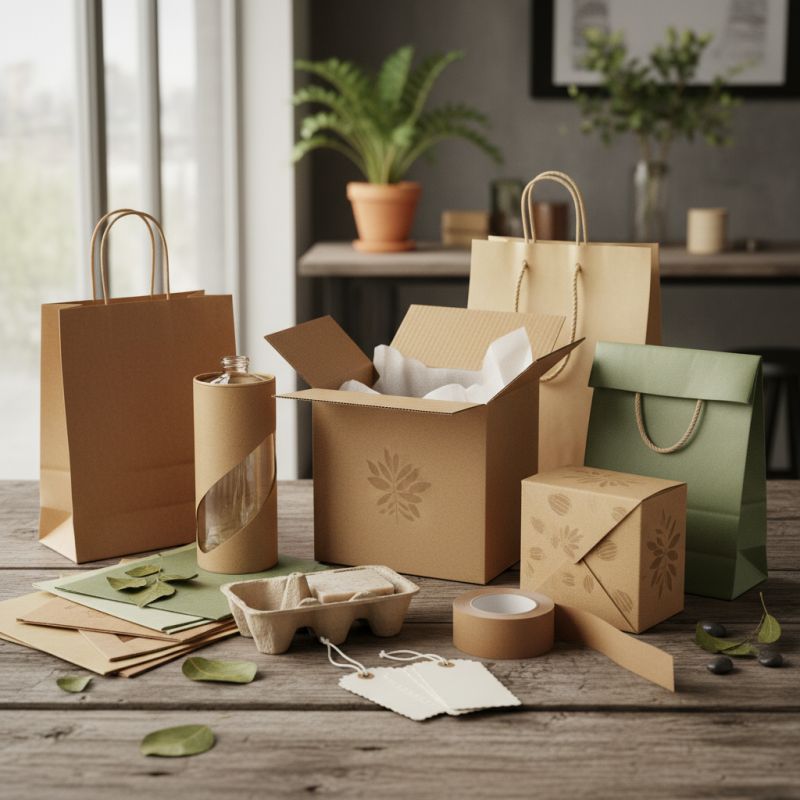
Aesthetic appeal shouldn't be overlooked. Custom designs can create a memorable unboxing experience. Bright colors and unique textures can attract customers. Yet, it's essential not to compromise functionality for looks.
A well-designed package must still fulfill its protective role. The best packaging combines visual appeal with practical performance, a nuanced balance that requires continual reflection and adjustment.
Understanding the Environmental Impact of Paper Packaging Choices
Choosing the right paper packaging goes beyond aesthetics. It's crucial to consider its environmental impact. Paper packaging can be recycled, but not all types are created equal. The production process, from sourcing materials to manufacturing, plays a significant role in its overall sustainability.
When assessing paper options, look for certifications like FSC (Forest Stewardship Council) or PEFC (Programme for the Endorsement of Forest Certification). These labels ensure responsible sourcing. Even so, keep an eye on the entire lifecycle of the packaging. How often can it be recycled? Is it biodegradable?
Tips: Opt for paper packaging made from 100% recycled content. This reduces demand for new materials. Consider the weight of the packaging too. Lighter packaging can lower transportation emissions. Remember, even small packaging choices can lead to significant environmental benefits. Choices matter, and being mindful today can lead to a greener tomorrow.
Comparing Cost-Effectiveness of Different Paper Packaging Types
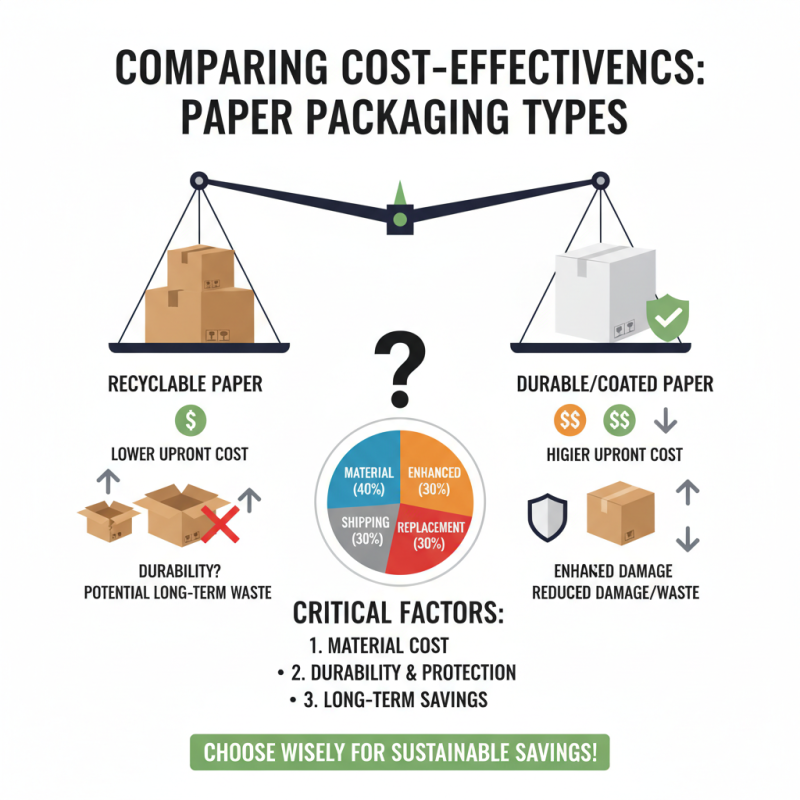
When selecting paper packaging, cost-effectiveness is a critical factor. Evaluating different types can reveal unexpected benefits. Recyclable paper options often have lower upfront costs. However, consider their durability for shipping and storage. Sometimes, cheaper materials may result in higher long-term expenses due to damage and waste.
Another aspect is the variety of paper types available. Brown Kraft paper is durable and often more affordable. It offers good protection for various products. On the other hand, specialty papers may enhance the aesthetic appeal but come with a higher price tag. Reflecting on your product's image is crucial. Will premium packaging really attract more customers?
After analyzing costs, it’s wise to reconsider your choices. Sometimes the upfront investment doesn’t align with product expectations. Some companies find that eco-friendly options resonate with customers. Balancing image, cost, and function requires careful thought. Evaluate what truly fits your brand and serves your customers best.
Evaluating Durability and Protection in Paper Packaging Solutions
When selecting paper packaging, durability is a primary concern. The material must withstand various conditions during transport and storage. Factors like
moisture resistance and
tear strength play a vital role. Paper with a higher basis weight generally offers better protection against physical damage. It's important to assess how your products will be handled. A fragile item may need a
thicker, more robust packaging solution.
Protection against environmental factors is equally essential. Consider whether your packaging will need to deal with
humidity or
temperature fluctuations. Some paper types are treated to resist moisture, which can significantly affect the contents. If you’re packaging items that are sensitive to these elements, investing in
protective coatings may enhance their longevity.
Not every paper solution is perfect. Some might degrade quicker than expected or not provide adequate cushioning.
Testing different options is crucial. Gather feedback from customers about the packaging's effectiveness. Understanding real-world performance helps refine your choice. Each product has unique requirements, and
continuous evaluation will lead to better decisions.
Trends in Paper Packaging Design and Consumer Preferences
Consumer preferences are shifting towards sustainable packaging solutions. According to a report by Smithers Pira, the global paper packaging market is expected to reach $500 billion by 2025. This growth highlights the increasing demand for eco-friendly materials. Businesses that prioritize sustainable packaging can tap into a larger market share, appealing to environmentally conscious consumers.
Colorful and innovative designs catch consumers' eyes. A Nielsen survey indicates that 66% of global consumers are willing to pay more for sustainable brands. Appealing aesthetics combined with sustainable materials can enhance brand loyalty. Brands need to stay current with design trends while maintaining an eco-friendly focus.
**Tip:** Analyze your target demographic. Understand their preferences for design and sustainability.
Another aspect is functionality. Consumers want packaging that is easy to open and reseal. Research shows 40% of shoppers abandon products due to poor packaging. Brands should test packaging usability before launch. Engaging consumers in this process can yield valuable insights.
**Tip:** Iterate your designs based on consumer feedback. Testing can lead to better product acceptance.
Trends in Paper Packaging Design and Consumer Preferences