How to Choose the Best Paper Packaging for Your Products?
Choosing the best paper packaging for your products is crucial in today’s market. Ben Rinaldi, a prominent expert in the paper packaging industry, emphasizes, "The right packaging can make or break a product's success." This statement reflects the significant impact of material choices on brand perception and customer satisfaction.
Paper packaging is not just eco-friendly; it also offers versatility. From boxes to wraps, the options are numerous. Consider the protection your product needs. A delicate item requires sturdier packaging. Visual appeal also matters. Unique designs can attract attention. However, it's easy to get lost in the myriad of choices available.
Many brands rush the decision, overlooking key factors. Ignoring sustainability can alienate eco-conscious consumers. It’s wise to balance aesthetics with functionality. Evaluate costs, supplier reliability, and shipping requirements. The perfect paper packaging solution may not exist—it's an ongoing journey of refinement and exploration in this ever-evolving industry.
Understanding the Importance of Paper Packaging in Product Presentation
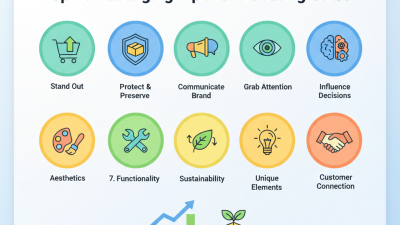
Paper packaging plays a vital role in how your products are perceived.
The design and quality of the packaging can influence customer choices. Attractive packaging can capture attention quickly.
It communicates your brand’s story before the product is even seen. This initial impression is critical in a crowded market.
When choosing paper packaging, consider the texture and weight. A sturdy, well-designed box
can enhance product value. Customers often associate quality packaging with the quality of the product inside. Ensure the colors and graphics
align with your brand identity. It's an opportunity to showcase what makes your product unique.
Tip: Test different packaging designs with customers. Gather feedback to understand their preferences.
This can lead to better choices in the future. Another tip: think about sustainability. Eco-friendly packaging not only attracts
customers but also demonstrates responsible practices. Reflect on your choices, as some can age poorly or feel less relevant.
Identifying the Types of Paper Packaging Suitable for Your Products
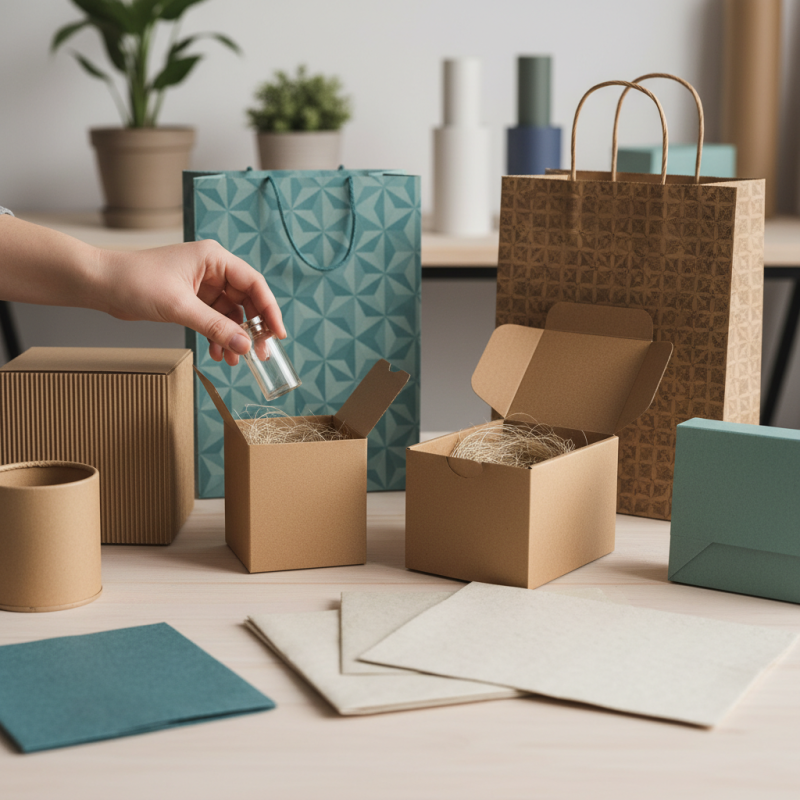
When selecting paper packaging, it’s essential to understand the variety available. Different products require different types of packaging. For instance, boxes provide sturdy support, while bags offer flexibility. The choice often depends on the product's size and weight. Consider the item’s fragility; delicate products need protective packaging to avoid damage during transport.
Beyond functionality, aesthetics play a vital role. Custom designs can enhance brand identity. However, not all designs are practical. A beautiful box might look appealing but may not provide adequate protection. Many times, brands overlook the importance of material choice. Recyclable or biodegradable options might be beneficial for eco-conscious consumers. This decision can impact production costs and design capabilities.
It’s also important to gauge customer perception. Some consumers favor minimalistic packaging. Others appreciate elaborate designs. Striking a balance can be tricky. It may take multiple iterations to find the right fit. Feedback from test groups can provide insights. Yet, it’s not foolproof; preferences change. A packaging choice that works today might not be effective tomorrow.
Comparison of Paper Packaging Types for Various Products
This chart displays the suitability ratings of different paper packaging types for various products on a scale from 1 to 10, helping you to choose the best option for your packaging needs.
Evaluating the Environmental Impact of Different Paper Materials
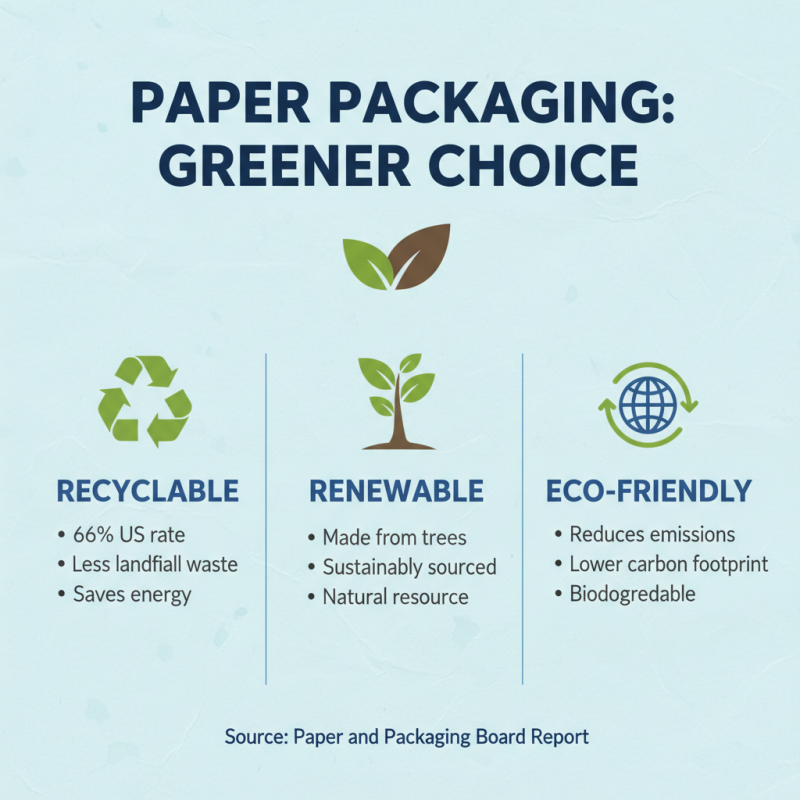
Paper packaging is increasingly recognized for its potential environmental benefits. According to a recent report by the Paper and Packaging Board, paper products are recyclable and often made from renewable resources. Approximately 66% of paper is recycled in the U.S., which means less waste ends up in landfills. This recycling process saves energy and reduces greenhouse gas emissions. However, not all paper packaging options are created equal.
Evaluating the environmental impact requires considering material sourcing. For instance, virgin fiber sourced from sustainable forests can contribute positively. Yet, overharvesting remains a concern in some regions. The World Wildlife Fund estimates that 27% of the world's forests are used for paper production. This number raises questions about the ecological balance. Are we truly using resources sustainably?
Additionally, the production process matters. Some paper types require more water and chemicals during manufacturing. According to the Environmental Paper Network, the lifecycle emissions of different papers can vary greatly. Consumers need to be aware of these differences. Making informed decisions based on materials' environmental impacts can drive more sustainable practices in the industry.
Key Features to Consider When Selecting Paper Packaging Solutions
Choosing the right paper packaging is crucial for product success. Start by evaluating the type of product you’re packaging. Fragile items need extra cushioning. A sturdy design can help prevent damage during transit. Consider the dimensions of your product carefully. Custom sizes may be necessary for optimal fit and protection.
Think about the sustainability of the material. Many consumers value eco-friendly options. Recycled paper can reduce waste. Yet, the cost might be higher. Balance your budget with environmental impact. Next, examine print quality. Bright colors can attract attention. However, poor print can reflect badly on your brand.
Attention to detail matters. Check for sealing methods. Some products require tamper-evident features. Others may just need easy opening. Each choice can affect user experience. If something feels off, re-evaluate your options. Paper packaging isn't just functional; it tells a story about your brand. Prioritize features that align with your values and product needs.
Assessing Cost-Effectiveness in Paper Packaging Choices
When selecting paper packaging, cost-effectiveness is crucial. According to industry reports, effective paper packaging can reduce overall costs by up to 30%. However, this does not mean compromising quality. It’s essential to strike a balance between affordability and durability. Cheaper options may lead to damage during transit, which can negate any cost savings.
Sustainability is another vital factor. A study found that 74% of consumers prefer sustainable packaging. Investing in eco-friendly materials can boost brand loyalty, leading to increased sales. Yet, premium eco-friendly options often come with higher upfront costs. Companies need to assess long-term benefits versus initial investments.
Evaluating supplier options is key. Not all suppliers offer competitive prices or quality. Conducting a thorough comparison can reveal hidden costs, such as shipping fees. It's also wise to consider the scalability of your packaging solutions. As demand grows, can your packaging adapt without significant price hikes? This reflection is essential for any business aiming for sustained growth.