How to Choose the Best Thermoforming Film for Your Needs?
Choosing the right Thermoforming Film is crucial for success in various industries, including packaging and automotive. According to a report by Smithers Pira, the global market for thermoformed plastics is expected to reach $45 billion by 2024. This growth highlights the increasing demand for efficient and versatile materials that cater to specific needs.
Thermoforming Film plays a significant role in this landscape. It allows for the production of lightweight, durable, and customizable products. These films can be adapted to different applications, influencing factors such as cost and performance. However, the selection process can be overwhelming.
Understanding the properties of different Thermoforming Films is essential. Factors like thickness, material type, and barrier properties can greatly affect usability. Many businesses overlook these details, resulting in suboptimal choices. The journey to finding the ideal film requires careful consideration and an awareness of evolving market demands. Being informed can make a significant difference in achieving desired outcomes.
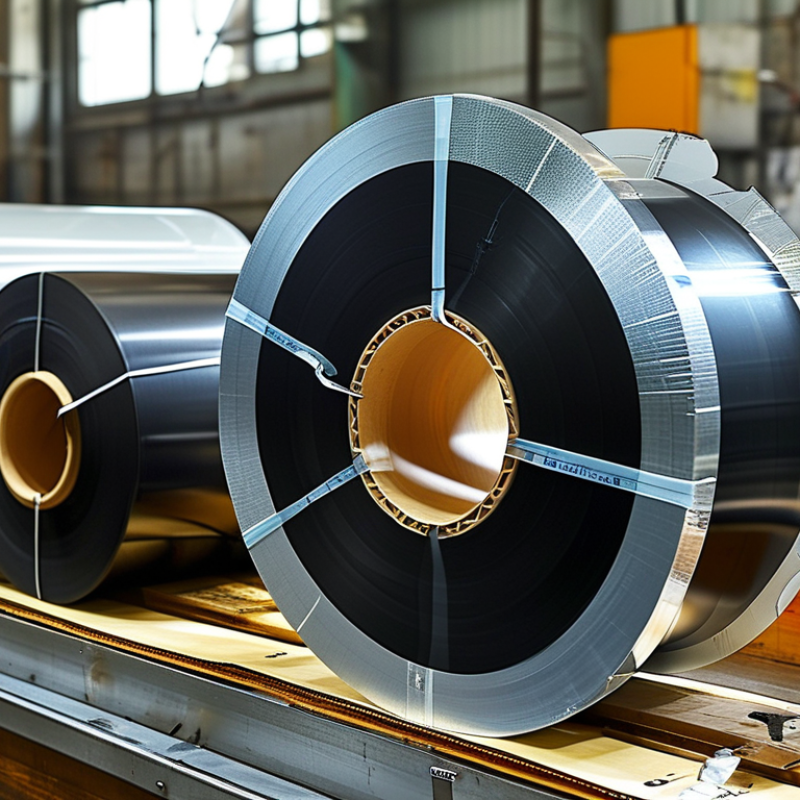
Understanding Thermoforming Films: Types and Properties
Thermoforming films come in various types and possess distinct properties, making them suitable for diverse applications. Understanding the characteristics of these films is crucial. For instance, PVC (Polyvinyl Chloride) films are versatile and cost-effective. They have good formability and clarity, with a shrinkage rate of around 2-3%. This feature allows for a snug fit around different shapes. Conversely, PET (Polyethylene Terephthalate) films are known for their durability. They can withstand high temperatures and provide excellent chemical resistance. The tensile strength of PET can reach up to 80 MPa, making it a go-to choice in demanding scenarios.
Another important aspect is thickness. Films typically range from 0.3 to 1.5 mm in thickness. Thicker films often provide better durability but may compromise flexibility. Conversely, thinner films allow for more intricate designs but can tear easily. A recent industry report highlighted that about 40% of thermoforming challenges stem from incorrect film selection. This statistic underscores the necessity of understanding film properties and suitability for specific applications.
The environmental impact of thermoforming films is another area needing attention. Biodegradable options are gaining traction, but their performance can be inconsistent. Research has shown that these films may require specific conditions for proper degradation, which isn’t widely available. Balancing sustainability with performance is a challenge many manufacturers face. Understanding these nuances will help in making wiser selections.
Key Factors to Consider When Selecting Thermoforming Film
When selecting a thermoforming film, several key factors must be taken into account. The type of material plays a critical role. Different materials offer varying levels of clarity, strength, and barrier properties. For example, a clear film might enhance product visibility, while a tougher option could withstand harsh conditions. Understanding the specific requirements of your application is crucial.
Temperature resistance is another important consideration. Films need to endure the heat during the thermoforming process without warping or losing integrity. Choosing a film with the right melting point ensures efficiency during production. Additionally, think about the thickness of the film. Thicker films are generally stronger but can be harder to form.
Lastly, examine the film's compatibility with other packaging elements. It must adhere well to adhesives or be compatible with any printing techniques you plan to use. Uneven surfaces or poor adhesion can lead to product failure. Reflect on the entire packaging process, as minor oversights can result in significant issues later. Hence, choosing the right thermoforming film requires a keen understanding of these factors.
Application-Specific Requirements for Thermoforming Films
Choosing the right thermoforming film starts with understanding your application. Different industries have specific needs. For instance, packaging, automotive, and medical fields all require unique properties. The film selection should match the product's requirements, such as strength, clarity, and resistance to heat.
Consider environmental factors, such as temperature fluctuations. Some films perform poorly under extreme conditions. Transparency may be crucial for certain applications, like food packaging. However, other applications may prioritize strength over clarity. Understanding these nuances is vital for effective selection.
Besides, the thickness of the film can significantly impact performance. Thinner films might save costs but could compromise durability. On the other hand, excessive thickness can lead to higher expenses. It’s essential to find a balance, which may require testing various options to determine what truly works best for your specific needs.
How to Choose the Best Thermoforming Film for Your Needs? - Application-Specific Requirements for Thermoforming Films
| Application | Film Type | Thickness (mil) | Common Properties | Recommended Uses |
| Food Packaging | PET (Polyester) | 10-20 | High clarity, good barrier properties | Containers, trays, lids |
| Medical Packaging | PVC (Polyvinyl Chloride) | 15-30 | Biocompatible, flexible | Surgical trays, diagnostic kits |
| Consumer Goods | PP (Polypropylene) | 12-25 | Good temperature resistance, lightweight | Blister packs, packaging for electronics |
| Agricultural Use | PE (Polyethylene) | 20-40 | Tear-resistant, UV protection | Plant trays, greenhouse coverings |
| Industrial Applications | PET-G (Glycol-modified Polyester) | 15-25 | Durable, high gloss finish | Protective covers, industrial parts |
Comparing Cost vs. Quality in Thermoforming Film Choices
When selecting thermoforming film, balancing cost and quality is crucial. High-quality films can enhance the durability of your products. According to industry reports, films made from PET or PVC often outperform cheaper alternatives in terms of clarity and strength. However, these materials can come at a higher cost. For instance, a study indicated that high-grade PET film costs an average of 15-30% more than standard PVC options, yet offers better thermal stability and lower shrinkage.
Not every application requires premium film. In certain scenarios, budget options may suffice. For example, a disposable food packaging solution might use a less expensive film, where shield and visibility are less critical. Nonetheless, sacrificing quality can lead to failures. Data reveals that cheaper films can increase waste due to higher breakage rates during processing. This impacts overall efficiency and may result in additional costs over time.
The right choice ultimately depends on specific needs and product goals. Evaluating the trade-offs of durability versus expense is key. While a lower initial investment may seem appealing, the long-term benefits of quality should not be overlooked. Poor performance can ripple through the supply chain, affecting customer satisfaction and brand reputation. Reflecting on these factors will help you make a more informed decision.
Sourcing and Supplier Considerations for Thermoforming Films
When sourcing thermoforming films, consider the supplier's experience and expertise in the industry. Look for companies with a strong track record. Experienced suppliers understand the nuances of various materials. They can offer insights into the best film types for specific applications.
Evaluate the qualifications of potential suppliers. Request samples before making a commitment. Testing these samples can reveal performance aspects like durability, clarity, and temperature tolerance. Not all thermoforming films are made equal. Some may not meet your specific needs, leading to inefficiencies or quality issues in production.
Also, consider the supplier’s ability to provide support. Quick responses to inquiries and advice on film selection can be vital. Flexibility in order quantities is essential too. Many suppliers can accommodate different scales of production. Ultimately, a reliable partner can make a significant difference in your success. Look beyond price; focus on the overall value and service they provide.