How to Choose the Right Boxes and Packaging for Your Business Needs in 2025
In 2025, the choice of boxes and packaging will play a pivotal role in influencing consumer behavior and driving business growth. According to a report by Smithers Pira, the global packaging market is projected to reach $1 trillion by 2024, with sustainable packaging options gaining significant traction. The rise of e-commerce has further accelerated the demand for versatile and efficient boxes and packaging solutions that not only protect products during transit but also enhance the unboxing experience. Research indicates that over 70% of consumers are more likely to repurchase from brands that utilize eco-friendly packaging, highlighting the importance of aligning packaging choices with consumer preferences.
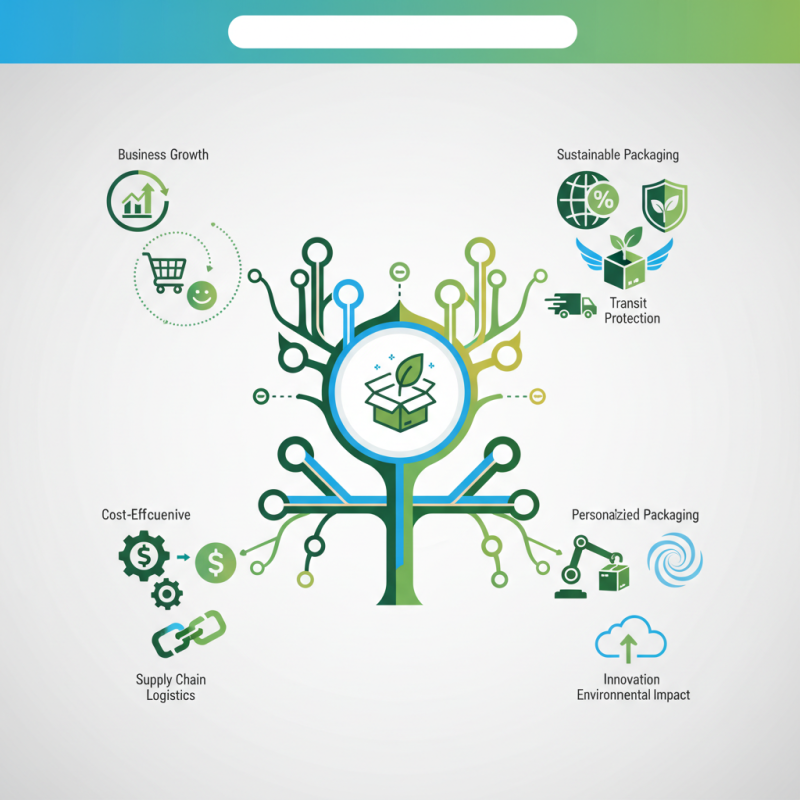
Moreover, the evolving landscape of logistics necessitates a strategic approach to packaging that considers durability, cost-effectiveness, and environmental impact. Businesses can no longer afford to overlook the role of packaging in their supply chain; efficient boxes and packaging can improve operational efficiency and reduce waste. As the industry transitions towards automation and personalized packaging, companies must stay ahead of the curve by choosing solutions that accommodate their specific shipping needs while also appealing to the modern consumer’s expectations for sustainability and innovation. By thoughtfully selecting the right boxes and packaging, businesses can not only enhance their brand image but also contribute to environmental sustainability efforts, proving that strategic packaging choices are essential for success in today’s market.
Understanding the Evolving Packaging Landscape for Businesses in 2025
As we approach 2025, the packaging landscape is undergoing a significant transformation driven by technological advancements, sustainability concerns, and evolving consumer preferences. Companies are increasingly recognizing the importance of eco-friendly materials and innovative designs that can enhance brand visibility while minimizing environmental impact. The shift towards biodegradable and recyclable packaging solutions is not just a trend but a necessary adaptation to meet regulatory standards and consumer demands for sustainability.
Moreover, the rise of e-commerce has further influenced packaging choices. Businesses must now consider factors such as durability, cost-effectiveness, and the ability to provide a seamless unboxing experience that delights customers. Customizable packaging options are becoming essential, allowing brands to cater to diverse markets and create memorable interactions with their products. As new materials and technologies emerge, businesses should remain agile, continually reassessing their packaging strategies to leverage advancements that can improve efficiency and sustainability in their operations.
Key Factors Influencing Box and Packaging Choices for Different Industries
When selecting boxes and packaging for various industries in 2025, several key factors must be considered to ensure that the packaging meets both practical needs and consumer expectations. Firstly, the material used plays a critical role. With growing concerns about sustainability, businesses are increasingly opting for eco-friendly materials that minimize environmental impact. This shift not only meets regulatory requirements but also appeals to the eco-conscious consumer. For industries like e-commerce, durable materials that protect products during shipping are essential, while food packaging might require specific certifications for safety and freshness.
Another significant factor is the design and branding aspect of the packaging. Customization options allow businesses to create unique packaging that resonates with their brand identity and enhances customer experience. A well-designed box can draw attention in a crowded marketplace and influence purchasing decisions. Additionally, the target audience's preferences can greatly impact packaging choices; for instance, luxury goods often demand elegant and sophisticated packaging, while products aimed at younger consumers may benefit from vibrant and fun designs. Understanding these nuances is crucial for making informed packaging decisions in a rapidly evolving market.
Evaluating Sustainable Packaging Options: Benefits and Industry Trends
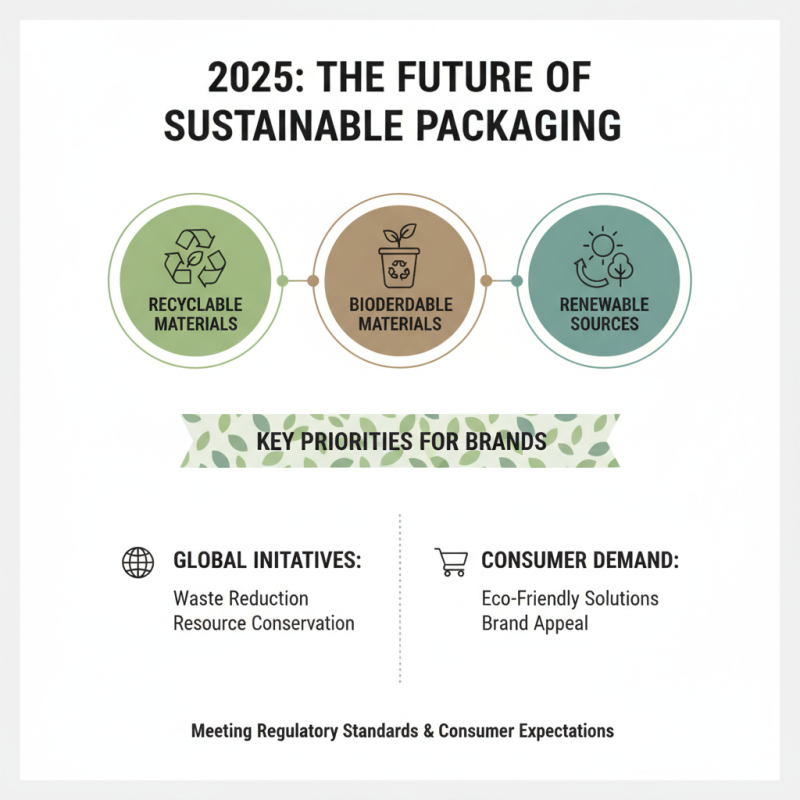
As businesses increasingly prioritize sustainability, evaluating packaging options that minimize environmental impact has become essential. Sustainable packaging not only addresses consumer demand for eco-friendly solutions but also aligns with global initiatives aimed at reducing waste and conserving resources. In 2025, brands will likely emphasize using materials that are recyclable, biodegradable, or made from renewable sources, enabling them to meet regulatory standards while appealing to environmentally conscious consumers.
Tips: When selecting sustainable packaging, consider the lifecycle of the materials. Look for options that minimize carbon footprints, and prioritize suppliers who adhere to environmental certifications. Additionally, think about the logistics of shipping: lightweight packaging can reduce transportation emissions.
Furthermore, staying updated on industry trends can provide insights into innovative materials and techniques. For instance, the rise of plant-based polymers and reusable packaging solutions is gaining traction among forward-thinking companies. By investing in these alternatives, businesses can not only enhance their brand reputation but also contribute positively to the planet’s health.
Tips: Regularly review your packaging strategy and engage with customers for feedback on their preferences. This interaction can guide your choices and potentially open new avenues for sustainable practices that resonate with your target market.
Cost Analysis: Comparing Packaging Materials and Their Long-term Effects
When selecting packaging materials for your business, a cost analysis is crucial in understanding not only the upfront expenses but also the long-term implications of your choices. Different materials, such as cardboard, plastics, and biodegradable options, each come with their own cost structures. Cardboard packaging may be lower in initial costs, but it can also incur higher shipping expenses due to weight and bulk. In contrast, plastic options might be lightweight and reduce shipping fees, yet their environmental impact could lead to increased costs down the line if sustainability becomes a priority for your consumers.
Moreover, examining the longevity and durability of packaging materials is essential for cost-effectiveness. While cheaper materials may seem beneficial initially, they may perform poorly in protecting goods, leading to higher returns and losses. Investing in higher-quality, durable packaging can mitigate these potential losses and enhance customer satisfaction. Additionally, more robust materials may enhance branding efforts through better presentation, justifying their higher upfront costs. Overall, a thorough cost analysis that considers both immediate financial outlay and long-term effects on brand reputation, customer loyalty, and environmental responsibility is vital for making informed packaging decisions in 2025.
Cost Analysis: Comparing Packaging Materials and Their Long-term Effects
Consumer Preferences in 2025: How Packaging Influences Buying Decisions
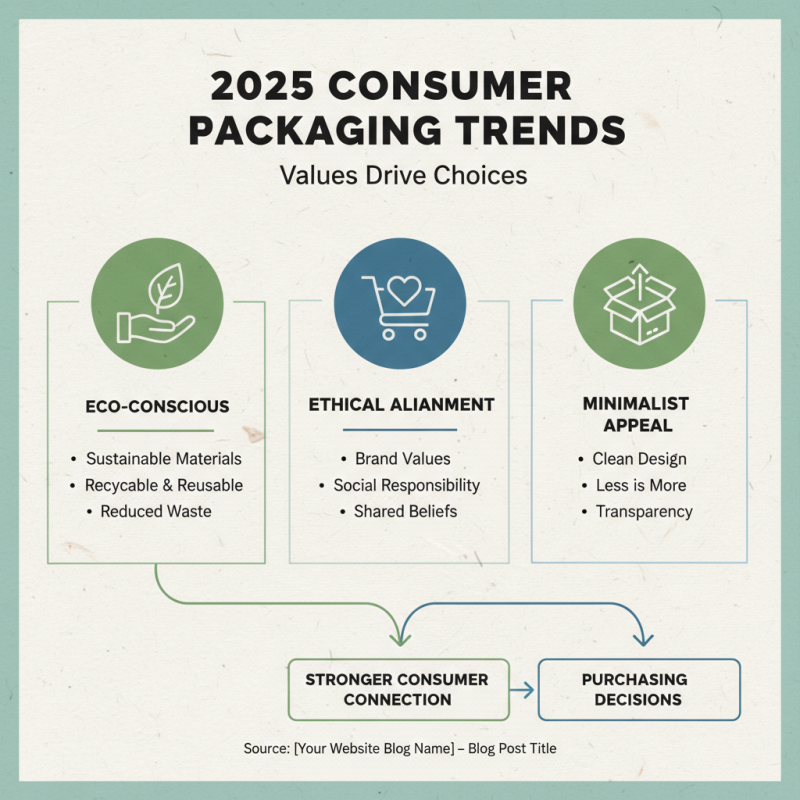
In 2025, consumer preferences are heavily influenced by packaging, making it crucial for businesses to align their packaging choices with the values of their target audience. Today’s consumers are more environmentally conscious than ever, prioritizing sustainable materials and eco-friendly packaging solutions. The shift towards minimalistic and recyclable packaging not only reflects a commitment to sustainability but also appeals to a demographic that increasingly seeks to support brands with ethical practices. Businesses that choose packaging that communicates their environmental responsibility can establish a stronger connection with consumers, driving purchasing decisions based on shared values.
Moreover, packaging design goes beyond functionality; it has become a vital aspect of branding. In an age where social media plays a pivotal role in consumer engagement, visually appealing packaging can enhance brand visibility and consumer attraction. Innovative designs that tell a story or evoke a particular feeling can significantly impact buying decisions. Packaging that is not only attractive but also user-friendly enhances the overall customer experience, encouraging repeat purchases. As consumers continue to favor brands that offer an emotional connection through their packaging, companies must consider these factors carefully when selecting their packaging strategies to stand out in a competitive market.