How to Choose the Right Rigid Box Packaging for Your Products?
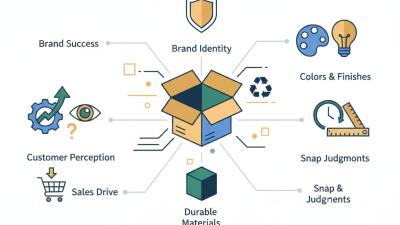
Choosing the right rigid box packaging can significantly influence a product's market success. Expert John Smith, a leading consultant in the packaging industry, emphasizes, "The right packaging tells your brand's story effectively." Rigid box packaging not only protects items but also enhances their visual appeal.
For brands seeking to leave a lasting impression, the selection process is crucial. The design, material, and functionality must align with the product's identity. A well-designed box can be the difference between a customer choosing your product or a competitor's. However, many brands overlook the importance of packaging. They might select a box based solely on cost, ignoring its role in branding.
Investing time in understanding rigid box packaging can yield valuable insights. Each aspect, from printing techniques to finish options, contributes to the overall customer experience. Poor choices could undermine a great product. Reflect on how packaging reflects your brand’s ethos and values. The right rigid box packaging not only protects but also captivates.
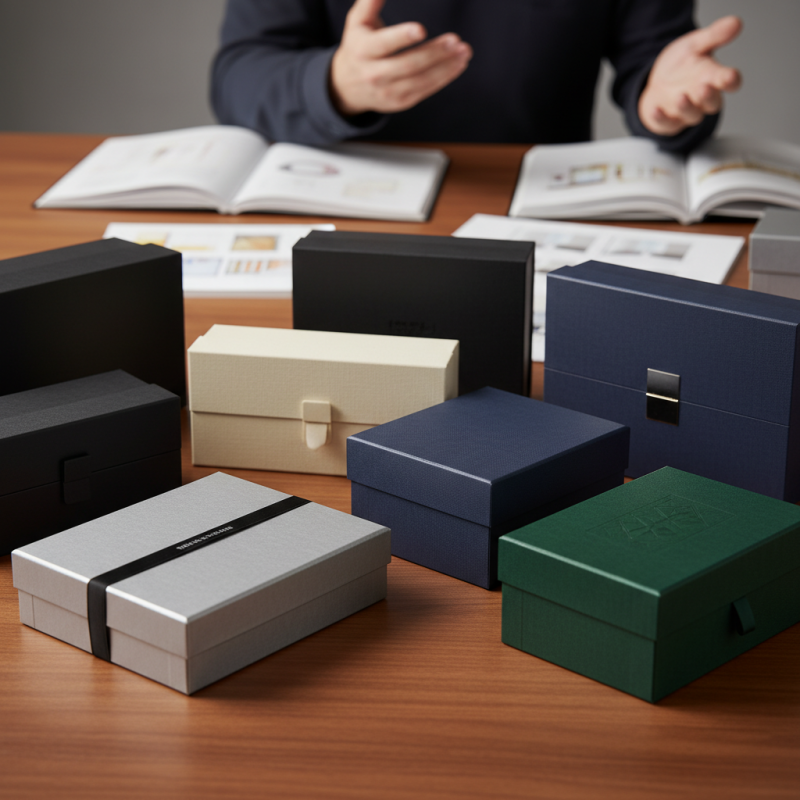
Benefits of Rigid Box Packaging in Product Presentation and Protection
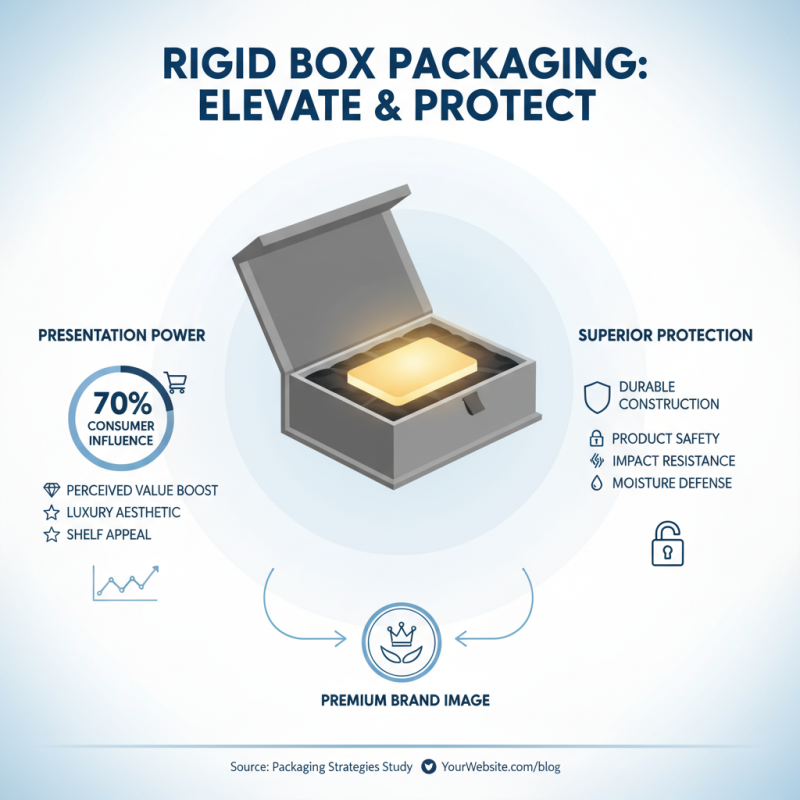
Rigid box packaging has emerged as a favored choice for many industries. The appeal lies in its ability to enhance product presentation. In a recent study by Packaging Strategies, 70% of consumers said they are influenced by packaging design. This clearly underlines the importance of aesthetics in consumer decision-making. A well-designed rigid box can elevate the perceived value of a product, making it more enticing on retail shelves.
Additionally, rigid boxes offer excellent protection during transit. According to a report by Smithers Pira, approximately 30% of products are damaged during shipping due to inadequate packaging. Rigid boxes, made from sturdy materials, ensure that products remain intact. This not only reduces the number of returns but also builds customer trust. However, not all designs provide the same level of protection. Companies must carefully consider the materials and construction methods used.
While rigid box packaging is effective, there are challenges. It can be more expensive compared to other forms of packaging. Some businesses hesitate due to initial costs. The rigidity of the boxes can also complicate storage and shipping logistics. Each of these factors requires careful thought. Decisions about packaging should balance cost, aesthetic appeal, and functionality.
Key Factors to Consider When Selecting Materials for Rigid Boxes
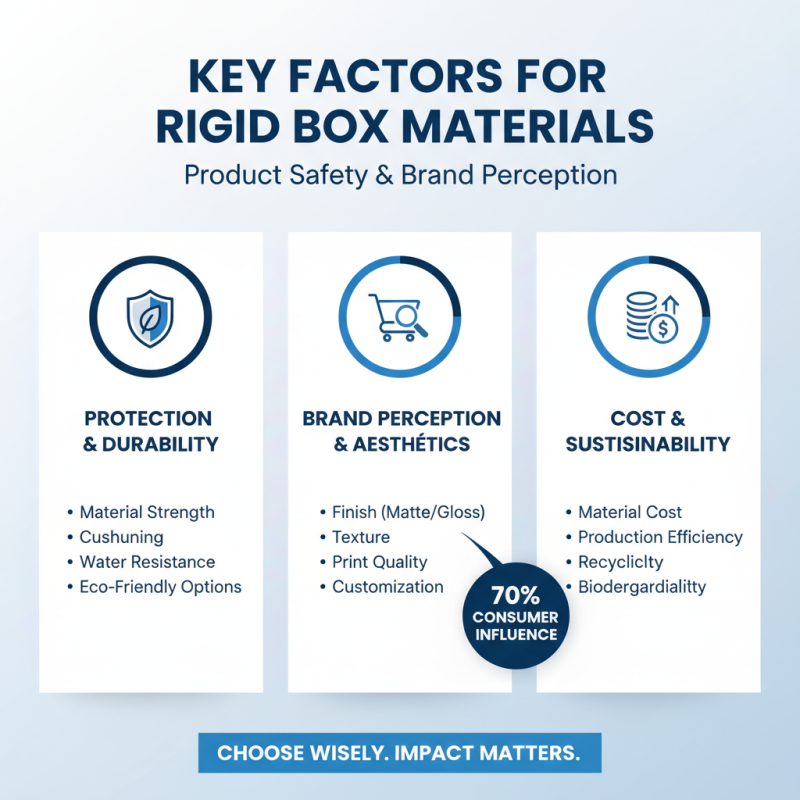
Choosing the right materials for rigid box packaging is crucial. It affects both product safety and brand perception. According to a recent industry report, 70% of consumers believe that packaging significantly influences their purchasing decisions. Thus, understanding material options is essential.
Cardboard is the most popular choice. It's lightweight yet durable. This balance offers protection while keeping shipping costs low. However, cardboard can lack a premium feel. For luxury products, consider using thicker materials or specialty finishes. Research shows that 65% of buyers prefer packaging that feels high-quality, even if it’s pricier.
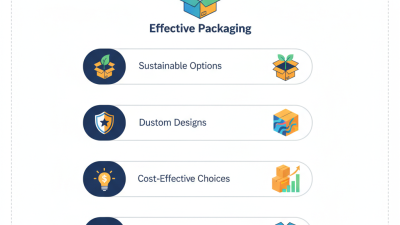
Another factor is sustainability. Many consumers prioritize eco-friendly options. Using recycled materials can enhance your brand's image. Yet, beware; not all “green” options are cost-effective. Sometimes, companies face higher production costs. This raises questions about affordability versus ethical responsibility. Striking the right balance requires careful consideration. Prioritizing materials aligned with your brand values can lead to better consumer trust and loyalty.
Analyzing Market Trends: Consumer Preferences in Rigid Packaging Choices
The current market trends indicate that consumers are leaning towards eco-friendly packaging. Sustainable materials are a hot topic. Many prefer boxes made from recycled or biodegradable materials. This growing preference reflects a broader shift towards environmental responsibility. Consumers want to support brands that care for the planet.
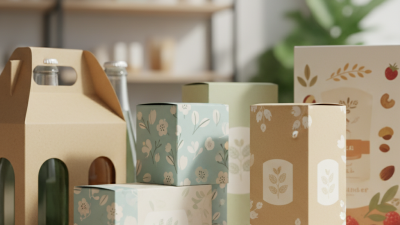
In addition to sustainability, aesthetics also play a key role in rigid box packaging choices. Beautifully designed boxes can attract attention. Vibrant colors and unique textures often draw consumers in. Yet, simplicity can be just as effective. Sometimes, less is more. A well-crafted box can enhance the unboxing experience, building excitement.
However, not all brands recognize these shifts. Some still cling to outdated designs. They overlook the importance of consumer preferences. This is a missed opportunity. Companies must adapt to these changes or risk losing market share. Consumer demands evolve, and packaging needs to keep pace.
How to Choose the Right Rigid Box Packaging for Your Products? - Analyzing Market Trends: Consumer Preferences in Rigid Packaging Choices
| Product Type |
Material Preference |
Design Complexity |
Sustainability Consideration (%) |
Price Range ($) |
| Electronics |
Cardboard |
Complex |
70 |
15-30 |
| Cosmetics |
Rigid Plastic |
Moderate |
80 |
10-25 |
| Food & Beverage |
Paperboard |
Simple |
60 |
5-15 |
| Fashion Accessories |
Metal |
High |
75 |
20-50 |
| Toys |
Recycled Paper |
Moderate |
85 |
10-20 |
Understanding Cost vs. Value: Budgeting for Rigid Box Packaging Solutions
When budgeting for rigid box packaging, it's crucial to balance cost and value. The material quality directly impacts the product's perceived worth. Many companies opt for lower-cost materials but then lose out on creating a premium image. A flimsy box might save money upfront, but it can lead to damages and replacements. The customer’s experience starts with unboxing, and first impressions matter.
Investing wisely in packaging can enhance brand recognition. Custom designs can fetch higher prices, showcasing products elegantly. However, creating intricate designs often adds to costs. Companies must evaluate whether the extra expense delivers sufficient returns. Too often, businesses underestimate the long-term impact of packaging choices on their brand.
Finding the right balance requires reflection. Are you compromising quality for savings? Will your packaging align with your brand’s values? Understanding these factors helps in making informed choices. Remember, sometimes what seems budget-friendly may not deliver the value you need in the competitive market.
Cost vs. Value of Rigid Box Packaging Solutions
Sustainable Options: Eco-Friendly Rigid Box Packaging Trends in 2023
In 2023, sustainability is vital in packaging choices. Eco-friendly rigid box packaging trends reflect this shift. According to a recent industry report, 75% of consumers prefer brands committed to sustainable practices. This preference is pushing manufacturers to innovate with materials. Options like recycled paperboard and biodegradable coatings are gaining traction.
Moreover, the rigid box market aims for a 5% annual growth rate fueled by eco-conscious trends. Yet, challenges exist. Sourcing sustainable materials can be costly. Sometimes, these options may not meet durability standards. The trade-off between aesthetics and environmental impact requires careful consideration. Consumers often overlook potential flaws in sustainably sourced boxes but often prioritize their eco-friendly nature.
Another report highlighted that 60% of buyers find packaging's sustainability essential. It showcases a significant demand for eco-friendly solutions. However, not all brands are ready to fully transition. Some still rely on traditional materials. There is still much work to be done in the industry to balance environmental goals with practical needs. Incorporating sustainable practices is not just a trend; it’s essential for longevity.