2026 How to Design Your Own Packaging for a Successful Brand?
Designing your own packaging is a crucial step in building a successful brand. Expert Jamie Johnson, a packaging design consultant, once said, “Your packaging is not just a container; it’s your brand’s first impression.” This highlights the importance of thoughtful design.
Creating effective packaging involves understanding your target market's needs. It should tell a story and evoke emotions. Many brands overlook this aspect, resulting in bland designs that fail to connect. Reflecting on your choices can lead to improvement.
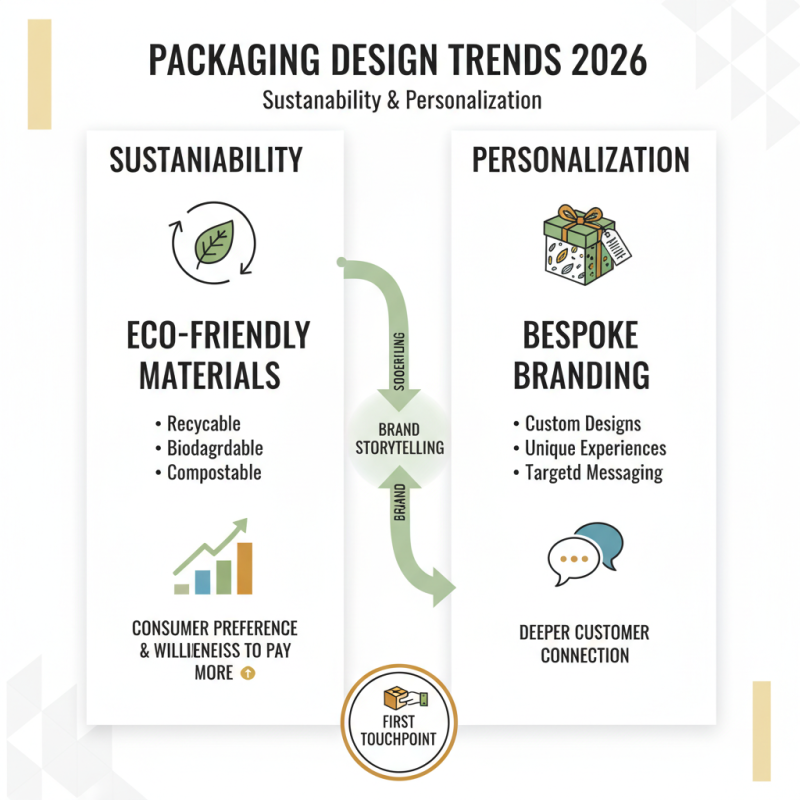
Sustainability is another vital aspect. Consumers increasingly prefer eco-friendly options. If your packaging isn't sustainable, it may alienate a large customer base. Think about how you can balance aesthetics and environmental concerns. Designing your own packaging is not just a creative task; it's strategic thinking for your brand's future.
Understanding the Importance of Packaging in Branding Strategies
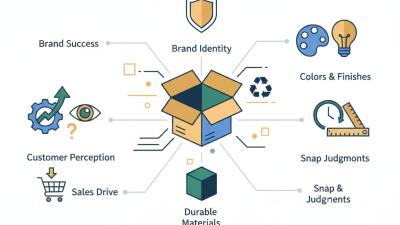
Packaging plays a crucial role in branding strategies. According to a recent study, 72% of consumers say packaging design influences their purchasing decisions. This indicates that packaging is not just protective; it is a first impression. A well-designed package can attract attention on crowded shelves.
Moreover, effective packaging can enhance brand recognition. Research shows brands with distinctive packaging enjoy a 13% increase in consumer loyalty. This loyalty stems from visual appeal and the feelings a package evokes. For instance, eco-friendly materials may resonate with consumers who prioritize sustainability. These choices must reflect current values and trends.
However, mistakes in packaging design can lead to missed opportunities. Brands often overlook the importance of user experience in packaging. If a package is hard to open, frustration may overshadow the product's quality. Addressing these areas requires constant refinement and an understanding of customer feedback. Real success comes from a balance between aesthetics and functionality.
Key Elements of Effective Packaging Design for Consumer Appeal
Effective packaging design attracts consumers. It must stand out on the shelf.
Bold colors and intriguing shapes capture attention.
Texture can create a sensory experience. Use materials that feel good to touch.
This draws customers in, making them curious about the product inside.
Clarity in messaging is essential.
Clear fonts and simple graphics tell a brand’s story. Consumers should understand the product at a glance.
Too much information can confuse them. Many designs fail because they overwhelm.
Focusing on key features can enhance appeal.
Every element should have a purpose, even if it seems minor.
Sustainability plays a crucial role today.
Eco-friendly materials can attract environmentally conscious consumers.
However, the challenge lies in balancing style and sustainability. Strive for that perfect mix.
Brands may need to rethink traditional ideas.
Reflection on past designs can inspire better choices for the future.
Sustainable Packaging Solutions: Aligning with Consumer Values and Demand
Consumers today expect brands to prioritize sustainability. A recent report from McKinsey indicates that over 60% of consumers prefer brands with eco-friendly packaging. This demand drives brands to rethink their packaging strategies. Sustainable materials not only reduce environmental harm but also resonate with consumers' values.
Here are some tips for creating sustainable packaging. First, evaluate materials. Use biodegradable or recyclable options. This simple choice can significantly impact your brand’s perception. Additionally, consider your packaging size. Reducing excess materials can lead to less waste. It’s a pragmatic approach that many brands overlook.
However, it's crucial to balance sustainability with functionality. Some materials may not work for all products. Testing is essential to ensure your packaging protects the product while being environmentally friendly. Striking this balance often requires trial and error. Embrace feedback from consumers. Their insights can guide improvements and foster brand loyalty.
Sustainable Packaging Solutions: Aligning with Consumer Values
Cost-Benefit Analysis: Investing in Custom Packaging for Brand Growth
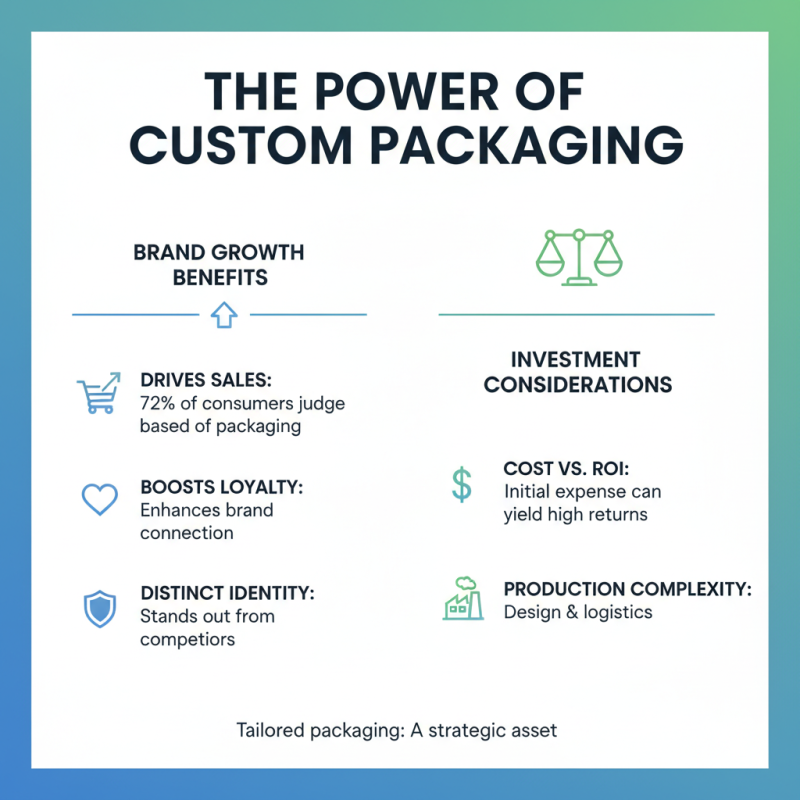
Custom packaging has emerged as a crucial element for brand growth. A recent study found that 72% of consumers make decisions based on packaging alone. Investing in tailored packaging can drive sales and enhance brand loyalty. However, the cost associated with custom packaging can be a double-edged sword.
On one hand, the initial investment may seem daunting. Custom designs and materials often lead to higher production costs. For instance, businesses may spend up to 30% more on custom packaging. Yet, the rewards are significant. Research shows that brands with unique packaging can achieve a 20% increase in customer retention. It’s essential to analyze whether the benefits outweigh the costs.
Reflecting on this, businesses should consider testing their packaging strategies. In some cases, brands underestimate the implications of poor packaging choices. This can lead to waste and a potential loss of identity. Regular evaluations and adjustments are vital to ensure packaging remains effective and relevant. The journey of designing your own packaging can be rewarding, but it requires careful thought and strategy.