Top 10 Tips for Effective Book Printing Inspection Process?
When it comes to publishing, the quality of a book can make or break its success. Effective Book Printing Inspection is crucial in ensuring that each copy meets the required standards. Small errors can lead to dissatisfaction among readers. Thus, a thorough inspection process is essential.
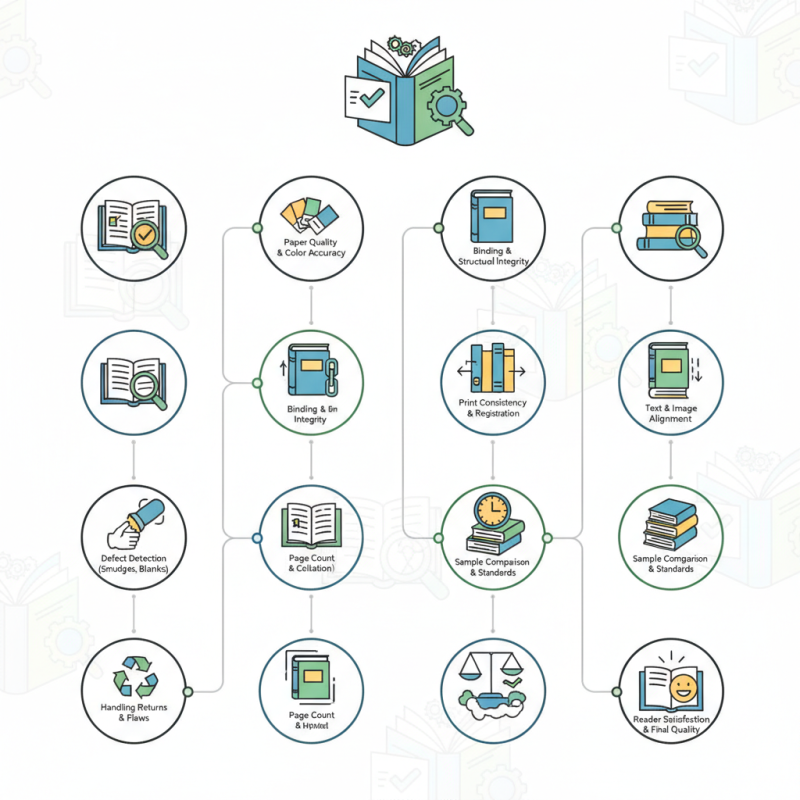
During the inspection, it is not just about checking for typos. It also involves examining the paper quality, binding, and printing consistency. Consider the importance of details like color accuracy and alignment. Overlooking these can ruin a reader's experience. It is about creating a polished final product.
Mistakes happen, even in the best of processes. Sometimes, rushed inspections lead to overlooked flaws. Reflecting on the inspection process can help improve future practices. Book Printing Inspection should be seen as a vital step in the publishing journey. Investing time here pays off in the long run. Accurate inspections create not only beautiful books but also satisfied readers.
Understanding the Importance of Book Printing Inspection
When it comes to book printing, inspection plays a vital role. A thorough inspection ensures that the final product matches the author's vision and adheres to quality standards. Overlooking this step can lead to costly mistakes. Images may appear blurry, or the text could be misaligned, undermining the reader's experience.
Effective inspection requires a clear process. One tip is to create a checklist. Include aspects like color accuracy, binding integrity, and paper quality. This method helps maintain focus and ensures nothing is missed. Another useful practice is to set specific benchmarks for quality standards. It brings clarity and helps identify areas requiring more attention.
However, not every inspection goes as planned. Mistakes during production may slip through. You might find a misprinted page, which can be both frustrating and costly. The key is not to ignore these issues but to learn from them. Each error offers valuable lessons that can enhance future inspections. Remember, a consistent approach to quality checks can lead to better outcomes.
Key Stages in the Book Printing Inspection Process
When initiating the book printing inspection process, attention to detail is key. Begin with pre-press inspection. Check proofs carefully to ensure colors, fonts, and layouts align with your expectations. Communication with your printing team is crucial at this stage. Any oversight here could lead to costly reprints down the line.
Next, move to the press stage inspection. Watch for color consistency as the printing progresses. Inconsistencies can occur due to ink or paper variations. It is essential to perform random checks on printed samples. If something looks off, raise the issue immediately. It’s not just about perfection; it’s about learning from mistakes and refining your process.
Finally, the post-press inspection is critical. Examine binding and trimming meticulously. A misaligned cut can ruin an otherwise perfect print job. Although your goal is quality, remember that human errors happen. Celebrating minor imperfections can enhance your approach. Acknowledge that each inspection stage offers valuable insights to improve future projects. Every detail matters in achieving the best outcome.
Essential Tools and Equipment for Effective Inspection
In the book printing industry, effective inspection is crucial for ensuring high-quality output. Essential tools for this process include magnifying glasses, color calibration devices, and digital scanners. Each tool serves a specific purpose, enhancing the ability to detect errors. According to a recent industry report, 30% of printed materials fail quality checks, highlighting the need for thorough inspections.
Magnifying glasses allow inspectors to examine fine details like text clarity and print alignment. Color calibration tools ensure that colors match the original design specifications. Digital scanners are invaluable for comparing printed pages with digital proofs. Regular use of these tools can significantly reduce defects, but they must be used correctly. A study showed that 45% of quality failures stem from inadequate tool usage, signaling room for improvement in training.
Incorporating all available tools is essential but not sufficient. Inspectors must adopt a critical mindset. They need to understand common pitfalls and be aware that not all issues are immediately visible. Continuous feedback loops among teams can enhance overall quality. Misalignment or inconsistent colors may go unnoticed without proper inspection protocols. Regular audits of the inspection process can reveal weaknesses and promote a culture of quality in printing.
Top 10 Tips for Effective Book Printing Inspection Process
| Tip Number | Inspection Tip | Essential Tools | Recommended Equipment |
| 1 | Check the Color Accuracy | Color Calibration Tools | Spectrophotometer |
| 2 | Monitor Page Alignment | Alignment Templates | Laser Alignment Tools |
| 3 | Inspect Binding Quality | Binding Test Tools | Binding Gauge |
| 4 | Evaluate Paper Quality | Paper Testing Kits | Paper Thickness Gauge |
| 5 | Check Print Consistency | Measurement Tools | Tension Meter |
| 6 | Ensure Clean Cuts | Cutting Tools | Guillotine Cutter |
| 7 | Verify Offset Registration | Registration Marks Inspection | Digital Measuring Instruments |
| 8 | Inspect for Defects | Defect Detection Tools | Magnifying Glass |
| 9 | Check for Bleed | Bleed Measurement Tools | Ruler with Clear Markings |
| 10 | Conduct Final Review | Review Checklists | Inspection Software |
Common Visual Defects to Check During Book Printing
Inspecting books during the printing process is crucial for quality assurance. One common visual defect to check for is color consistency. Misalignment in colors can create a jarring look. Pay special attention to photographs and illustrations. If the colors appear dull or off, it reflects poorly on the entire book. Also, look for any smudges or ink bleed that can ruin pages.
Another defect to watch for is incorrect margins. Tight margins can lead to crucial content being cut off. Ensure the text is evenly spaced from the edges. Also, pages should be properly aligned. Misalignment can lead to an unprofessional appearance. Use a ruler for precise measurements.
Pro tip: always check the binding. A weak binding can cause pages to fall out. Test the spine strength. If you notice gaps, it’s a sign of potential failure. A great inspection process identifies these flaws early. Focus on the details, as the smallest issues can lead to major setbacks.
Developing a Standardized Inspection Checklist for Consistency
A standardized inspection checklist can enhance the book printing process significantly. This checklist should cover crucial aspects like color accuracy, paper quality, and binding strength. It’s essential to specify what each requirement looks like. For example, how vibrant should the cover colors be? Is the paper smooth enough? Such details help in making evaluations clearer and more consistent.
Using a checklist also promotes accountability among team members. Each step in the inspection process should have a designated person responsible for it. This assists in ensuring that no detail is overlooked. Still, issues may arise, such as not every inspector having the same knowledge. It leads to inconsistencies in judgment. Regular training sessions on the checklist could help bridge these gaps.
The checklist should be adaptable. Flexibility is key, as not every print job is the same. What works for one project might not apply to another. It’s crucial to review and revise the checklist periodically. Gathering feedback from inspectors can reveal blind spots. This reflection allows for continual improvement, which is vital for maintaining high standards in book printing.
Top 10 Tips for Effective Book Printing Inspection Process