Why Creating Packaging Is Essential for Successful Product Marketing
Creating packaging is not just about enclosing a product; it serves as a critical element in successful product marketing. According to industry expert Sarah Thompson, a renowned packaging designer, "Effective packaging is a storyteller; it communicates the essence of the product and connects emotionally with consumers." In today's competitive market, the visual appeal and functional attributes of packaging can make the difference between a product being chosen or overlooked.
As brands strive to differentiate themselves, the importance of creating packaging that resonates with target audiences has never been more paramount. Packaging must not only be attractive but also convey the brand's values and message clearly. This necessitates a deep understanding of consumer behavior and market trends. Thompson's insights remind us that a well-designed package can turn an ordinary product into a tangible experience, inviting consumers to engage with the brand on multiple levels.
In essence, creating packaging goes beyond mere aesthetics; it involves strategic thinking and creative execution that can elevate a product's market presence. By embracing innovative design practices and understanding consumer needs, brands can leverage packaging as a powerful marketing tool that drives success and customer loyalty.

Importance of Packaging in Creating First Impressions for Products
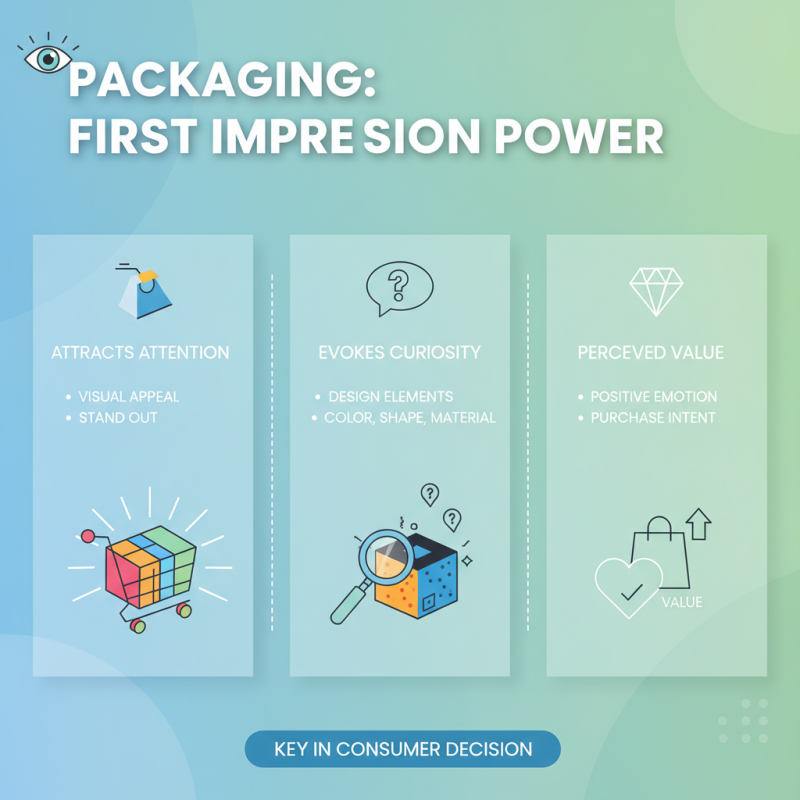
Packaging plays a crucial role in shaping the first impressions of products. When consumers encounter a new product, their initial assessment is often influenced by its packaging design. A well-crafted package can attract attention and evoke curiosity, while a poorly designed one may be overlooked or dismissed. The color, shape, material, and overall aesthetics of packaging contribute significantly to the perceived value of a product. An appealing package can create a positive emotional response, making it more likely for consumers to engage with the product and consider it for purchase.
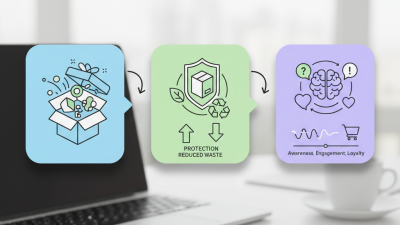
Moreover, packaging serves as a vital communication tool that conveys quality and brand values. It provides essential information about the product while establishing a connection with the target audience. The right packaging not only reflects the product's purpose but also highlights its unique features and benefits. For instance, eco-friendly packaging can resonate with environmentally conscious consumers, enhancing their perception of the brand's commitment to sustainability. In this way, effective packaging not only captures initial interest but also fosters trust and loyalty among consumers, ultimately influencing their purchasing decision.
The Role of Packaging in Brand Recognition and Consumer Loyalty
Packaging plays a pivotal role in brand recognition and consumer loyalty, acting as the first point of interaction between a product and potential buyers. According to a 2021 study by Packaging Strategies, nearly 72% of consumers believe that product packaging influences their purchase decisions significantly. Visually appealing packaging not only attracts attention but also communicates brand values and messaging effectively. A strong, distinctive packaging design can create a memorable impression, helping products stand out on crowded retail shelves and assisting in the establishment of a brand identity that consumers can easily recognize.
Moreover, the importance of packaging goes beyond just aesthetics; it can foster consumer loyalty. For instance, research from the Paper and Packaging Board indicates that 79% of consumers are more likely to continue purchasing a product if they find its packaging appealing. Functional packaging, which enhances the user experience through convenience and sustainability, further strengthens this loyalty. By investing in thoughtful packaging strategies, brands can deepen emotional connections with consumers, translating into repeat purchases and long-term loyalty. In today's competitive market, where consumers are inundated with choices, effective packaging serves as both a differentiator and a critical tool for cultivating brand affinity.
Why Creating Packaging Is Essential for Successful Product Marketing - The Role of Packaging in Brand Recognition and Consumer Loyalty
| Packaging Type |
Brand Recognition Impact (%) |
Consumer Loyalty Score (1-10) |
Sustainability Rating (1-5) |
Cost Effectiveness ($/unit) |
| Cardboard Box |
75% |
8 |
4 |
1.50 |
| Plastic Bottle |
80% |
7 |
2 |
0.75 |
| Glass Jar |
85% |
9 |
3 |
2.50 |
| Tin Can |
70% |
6 |
4 |
1.00 |
| Biodegradable Packaging |
78% |
9 |
5 |
3.00 |
Statistics on Consumer Preferences for Innovative Packaging Designs
Innovative packaging designs play a pivotal role in shaping consumer preferences and purchase decisions. Research indicates that approximately 70% of consumers consider packaging a significant factor when evaluating products. This statistic emphasizes the need for brands to invest in creative and functional packaging solutions that not only attract attention but also communicate the brand's values and messaging effectively. Eye-catching designs, unique shapes, and sustainable materials can significantly enhance a product's appeal, making it stand out on crowded shelves.
Moreover, studies reveal that consumers are more likely to choose products with innovative packaging over those with traditional designs. Around 65% of shoppers have stated they are inclined to try a new product if it features aesthetically pleasing packaging. This preference highlights the importance of packaging as a marketing tool that can influence buying behavior and foster brand loyalty. As brands continue to explore new ways to innovate in packaging, understanding consumer preferences becomes essential in order to create engaging experiences that resonate with target audiences.
Consumer Preferences for Innovative Packaging Designs
How Sustainable Packaging Influences Purchase Decisions in Today's Market
Sustainable packaging has become a crucial factor influencing consumers' purchase decisions in today's market. As environmental awareness grows, customers increasingly seek products that reflect their values, and eco-friendly packaging is at the forefront of this shift. Packaging made from recyclable or biodegradable materials not only minimizes environmental impact but also enhances a brand's image. When consumers see that a company prioritizes sustainability, they are more likely to feel a connection and trust towards the brand, which can significantly affect their buying choices.
Furthermore, sustainable packaging has the power to differentiate products in highly competitive marketplaces. Retailers and consumers are becoming more conscious of the ecological footprint of their purchases, leading to a demand for innovative packaging solutions that reduce waste. Products that incorporate minimalistic designs, reusable containers, or plant-based materials often stand out on the shelf, capturing consumer attention. As a result, such packaging not only satisfies the growing demand for sustainability but also serves as a selling point that can drive sales and customer loyalty.
The Impact of Packaging on Product Safety and Shelf Life Efficiency
Effective packaging is a crucial element in product marketing, particularly when it comes to ensuring product safety and maximizing shelf life efficiency. According to a report by the Food and Drug Administration (FDA), approximately 30% of food products are wasted due to spoilage before reaching consumers, highlighting the need for robust packaging solutions that protect against environmental factors. This is where innovative materials and design come into play, employing technology such as vacuum sealing and modified atmosphere packaging (MAP) to extend the freshness of perishable items significantly.
Moreover, research from the Packaging Association indicates that 60% of consumers consider packaging to be the major factor influencing their purchasing decisions, not just for aesthetics but for safety as well. Packaging that incorporates tamper-evident features and clear labeling increases consumer trust, thereby encouraging sales. Additionally, effective packaging that minimizes exposure to light, oxygen, and moisture can enhance the shelf life of products by up to 50%, reducing waste and improving inventory efficiency. This dual advantage of promoting safety and prolonging shelf life underscores the essential role of packaging in modern product marketing strategies.