



10 Essential Tips for Effective Marketing Boxes Packaging Strategies?
Effective marketing boxes packaging is vital for brand success. It shapes customer perceptions and drives sales. A well-designed box attracts attention and enhances the unboxing experience. It should reflect your brand's identity and values clearly.
Consider how your packaging communicates essential information. A fancy design may catch the eye, but clarity must not be sacrificed. Simple and durable materials often work better than extravagant options. Have you thought about the environmental impact? Sustainable choices can resonate with consumers looking for eco-friendly solutions.
Every detail in marketing boxes packaging matters. Colors, materials, and finishes should align with your marketing goals. Remember, consumers make snap judgments based on packaging. Reflect on your current strategies and identify areas for improvement. Balancing creativity with practicality can be challenging, but it is necessary for growth.
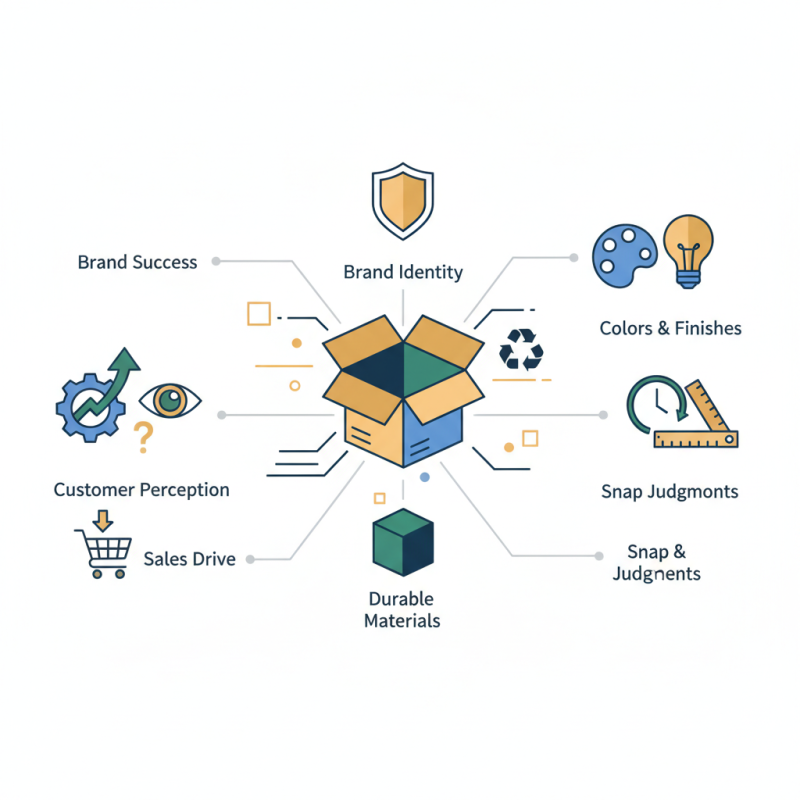
Table of Contents
[Hide]
Understanding the Importance of Packaging in Marketing Strategies
Packaging is a crucial aspect of marketing. It can influence consumer behavior significantly. According to a report by the Paper and Packaging Board, 72% of consumers believe packaging design can inform their purchasing decisions. This statistic highlights the importance of thoughtful packaging strategies. Brands must understand how visual appeal directly impacts their sales figures.
Consumers often associate quality with packaging. Poor packaging can lead to negative perceptions. Research indicates that 54% of consumers feel less inclined to purchase from brands with unattractive packaging. Brands should pay attention. A well-designed package not only protects the product but also communicates brand values. Using sustainable materials can enhance brand trust, as 66% of consumers prefer eco-friendly options.
Yet, companies often overlook the feedback on their packaging. Ignoring consumer input can lead to missed opportunities. A study showed that consumers are more likely to share experiences about packaging than the product itself. Engaging with customers about packaging can yield valuable insights. Brands must embrace this opportunity for improvement or risk losing relevance in a competitive market.
10 Essential Tips for Effective Marketing Boxes Packaging Strategies
| Tip Number | Packaging Tip | Description | Benefit |
|---|---|---|---|
| 1 | Use Eco-Friendly Materials | Choose biodegradable or recyclable materials for packaging. | Appeals to environmentally conscious consumers and enhances brand reputation. |
| 2 | Optimize for Shipping | Design packaging that minimizes weight and maximizes protection during transit. | Reduces shipping costs and damages, improving customer satisfaction. |
| 3 | Incorporate Branding Elements | Use colors, logos, and graphics that reflect your brand identity. | Strengthens brand recognition and loyalty among customers. |
| 4 | Focus on Unboxing Experience | Create an engaging unboxing experience through thoughtful design. | Encourages social sharing and enhances customer experience. |
| 5 | Include Clear Instructions | Provide easy-to-follow instructions for product use or assembly. | Reduces customer frustration and enhances usability. |
| 6 | Personalize Packaging | Use consumer data to customize packaging for individual customers. | Increases customer engagement and strengthens emotional connection. |
| 7 | Ensure Durability | Select durable materials that can withstand handling and transport. | Minimizes product returns and enhances customer trust. |
| 8 | Leverage Multi-functionality | Design packaging that can be reused or repurposed after purchase. | Adds value for customers and promotes sustainability. |
| 9 | Utilize Eye-catching Graphics | Incorporate visually appealing designs to attract attention. | Increases shelf appeal and enhances impulse buying. |
| 10 | Test Packaging Effectiveness | Conduct market testing to gauge consumer responses to packaging designs. | Helps refine strategies and improve overall marketing effectiveness. |

Related Posts
-
Top 10 Tips for Creating Packaging That Boosts Sales and Attracts Customers
-
Top Trends in Printing and Packaging You Need to Know for 2023
-

What is Card Box Packaging and Why is it Important?
-

How to Choose the Right Boxes and Packaging for Your Business Needs in 2025
-

Why Creating Packaging Is Essential for Successful Product Marketing
-

Top 10 Benefits of Corrugated Packaging for Your Business Success