Why Is Folding Carton Packaging Essential for Modern Businesses?
Folding carton packaging plays a crucial role in modern business strategies. In a recent report by Smithers Pira, the folding carton market is predicted to reach $280 billion by 2025. This significant growth highlights its importance in sectors like food, beverages, and cosmetics. Consumers often prefer products in folding cartons due to their sustainability and convenience.
Industry expert Dr. Sarah Thompson emphasizes, "Folding carton packaging offers brands the ability to enhance product appeal while remaining eco-friendly." As businesses prioritize sustainability, folding cartons provide a practical solution. However, not all companies leverage this potential effectively. Some still rely on outdated packaging practices, missing opportunities to engage environmentally conscious consumers.
To stay relevant, businesses must evaluate their packaging choices. Embracing folding carton packaging can improve brand image and customer loyalty. Yet, continuous innovation and responsiveness to market demands are essential. Firms that overlook these aspects may find themselves lagging behind competitors in a rapidly evolving marketplace.

The Historical Development of Folding Carton Packaging
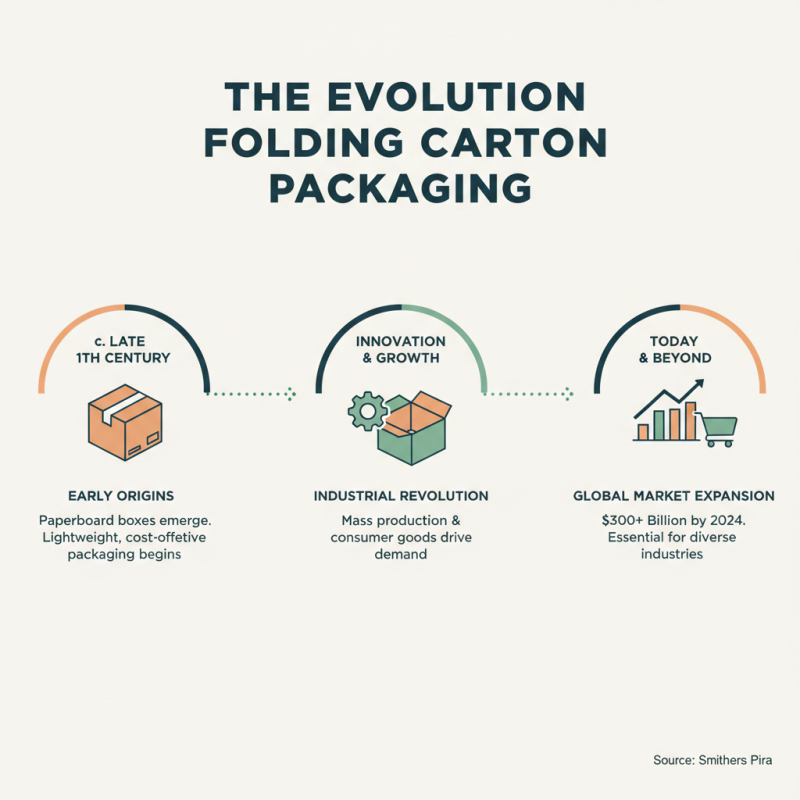
Folding carton packaging has a rich history that reflects its evolution and importance. The origins can be traced back to the late 19th century when manufacturers began using paperboard boxes. This innovation introduced a lightweight and cost-effective way to package goods. According to a report by Smithers Pira, the folding carton market continues to grow, expected to reach over $300 billion by 2024. This trend underscores its fundamental role in various industries.
Over the years, folding cartons have benefited from advancements in printing technology. These innovations enhanced branding and consumer engagement. Research indicates that packaging influences purchase decisions, with nearly 70% of consumers saying they make choices based on design and appearance. Brands increasingly recognize that appealing packaging can lead to increased sales, making it a focal point of product marketing.
Tips: Consider sustainability in design. Eco-friendly materials can attract more customers. Additionally, optimizing carton structure can reduce shipping costs. Reflect on how your packaging choices impact consumer perception. Remember that packaging is not just a cover; it's part of your product's story. Adjustments in design and materials may unlock new market opportunities.
Key Advantages of Folding Carton Packaging for Businesses
Folding carton packaging has become a cornerstone for many modern businesses. Its versatility makes it suitable for various products across different industries. This packaging type offers effective branding opportunities. A well-designed carton can attract consumer attention right on the retail shelf. Visual appeal is crucial; colors and graphics play a significant role in consumer choices.
Tips: Focus on unique designs. Think about how your packaging can tell a story. Simplicity can often speak volumes.
Another advantage of folding cartons is their cost-effectiveness. They are lightweight yet robust, which helps reduce shipping costs. This is vital for businesses aiming to minimize expenses while maintaining quality. However, many may overlook the environmental benefits. Folding cartons are often recyclable, making them a sustainable option. There may be a need for improvement in sourcing materials, though.
Tips: Consider using eco-friendly inks and coatings. Research sustainable materials that align with your brand values. It can set you apart.
Sustainability and Environmental Impact of Folding Carton Solutions
Folding carton packaging plays a vital role in today's business landscape. It offers a balance between functionality and sustainability. Many companies are recognizing the need to reduce their environmental footprint. This pushes them towards eco-friendly packaging solutions.
Sustainability is a key factor in product appeal. Consumers prefer brands that focus on responsible sourcing. Folding cartons, made from renewable materials, help ensure less waste. They are often recyclable, which promotes a circular economy. However, not all folding cartons are designed with sustainability in mind. Businesses must choose wisely. Many still rely on non-recyclable materials, causing harm to our planet.
Also, consider the transportation aspect. Lighter folding cartons reduce fuel consumption during shipping. They help lower greenhouse gas emissions as well. Yet, companies are still challenged by finding the right balance between strength and weight. Sometimes, the quest for durability leads to unnecessary waste. These are areas that need reflection and improvement. The demand for sustainable practices will only grow, driving innovation in folding carton packaging.
Design Innovations in Folding Carton Packaging
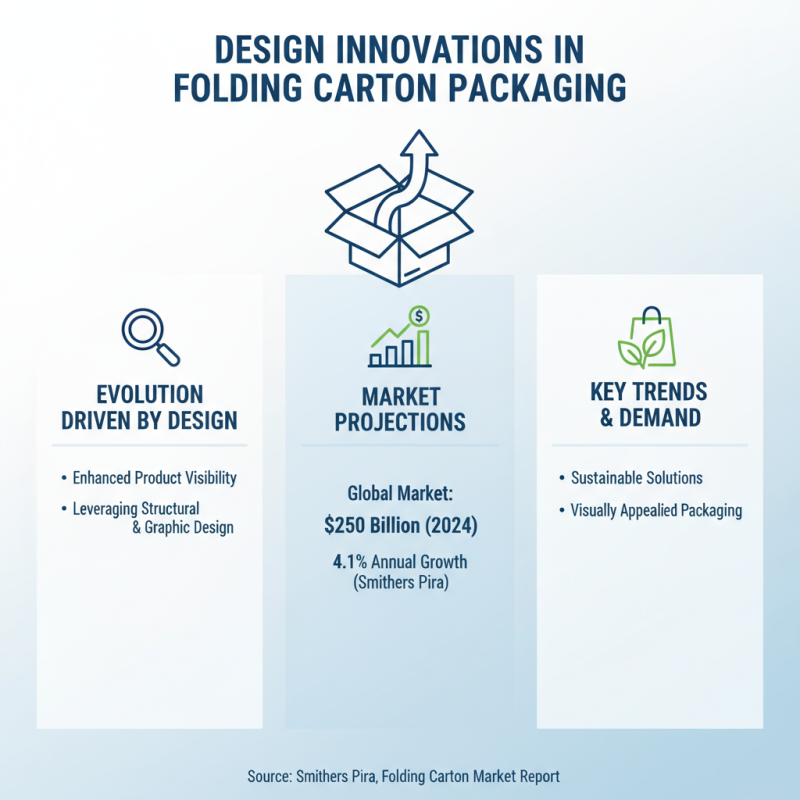
Folding carton packaging has evolved significantly in recent years. Companies are now leveraging design innovations to enhance product visibility. According to a study from Smithers Pira, the global market for folding cartons is projected to grow by 4.1% annually, reaching $250 billion by 2024. This trend reflects the rising demand for sustainable and visually appealing packaging solutions.
Design innovations in folding cartons have played a crucial role. Elements such as window cut-outs, unique shapes, and vibrant printing techniques attract consumers. Packaging that tells a brand story or highlights product features is increasingly popular. Research indicates that 72% of consumers believe packaging influences their purchase decisions. This shows the necessity of creating eye-catching yet functional designs.
However, the industry faces challenges. Balancing sustainability and aesthetics can be tricky. Many designs use more material than needed, leading to waste. Additionally, consumer preferences can change rapidly, making it hard to keep designs relevant. Brands must be agile, adapting designs while ensuring they remain efficient and eco-friendly. Packaging should reflect values and appeal, yet it must also be practical and mindful of the environmental footprint.
Case Studies: Successful Use of Folding Carton Packaging in Industry
Folding carton packaging has gained prominence due to its versatility and effectiveness. Many industries, such as food and cosmetics, have adopted this packaging style. A recent report by Smithers indicates that the global folding carton market is expected to reach $280 billion by 2025. This growth is driven by sustainability and consumer preferences for recyclable materials.
For instance, a cosmetics brand increased its sales by 25% after switching to eco-friendly folding cartons. This not only resonated with environmentally conscious consumers, but also reduced packaging waste by 30%. Another case study revealed a beverage company that revamped its folding carton design. By implementing vibrant graphics, they saw a 15% rise in shelf appeal, attracting more purchases.
Tips: When considering folding cartons, always focus on graphic design. Eye-catching visuals can significantly boost sales. Also, evaluate material sustainability. Using recycled content attracts eco-aware buyers. Lastly, simplify your packaging. Cluttered designs can overwhelm consumers and deter purchases. Reflect on the balance between aesthetics and functionality.