

What is Hairdressing Foil and How to Choose the Best?
In the world of hairdressing, the choice of materials can drastically affect outcomes. Hairdressing Foil, a staple for professionals, plays a critical role in achieving vibrant color and defined highlights. Renowned hairdressing expert, Jane Smith, emphasizes, "Good foil can make or break a coloring job." This highlights the importance of selecting the right foil for any technique.
Choosing the best Hairdressing Foil requires understanding the properties of different types. Some foils are thicker, offering durability, while others are thinner for flexibility. The right choice influences not only the results but also the overall service experience. Beauty professionals should consider factors such as width, finish, and ease of use.
Finding the best Hairdressing Foil might seem straightforward, yet it can be a complex decision. Bad choices can lead to uneven results or customer dissatisfaction. Thus, it’s crucial to assess various products, keeping in mind specific needs and preferences. Embracing experimentation can lead to valuable insights for stylists.
What is Hairdressing Foil and Its Purpose in Hair Styling?
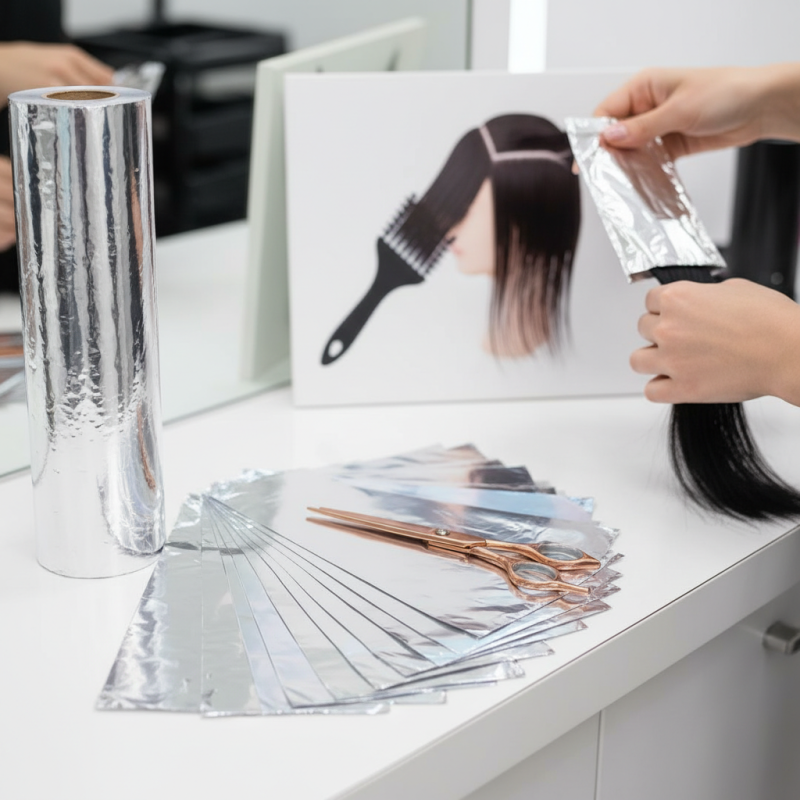
Hairdressing foil is an essential tool in the world of hair styling. It is used primarily during coloring processes, allowing stylists to isolate sections of hair. This method enhances the precision of color application. Foils can also act as a barrier to prevent color from bleeding into adjacent strands. Understanding its purpose is vital for achieving stunning hair transformations.
When choosing hairdressing foil, consider its material. Aluminum foil is common due to its heat conductivity and flexibility. This makes it ideal for treatments that require heat, like balayage. Thicker foils can handle more product, but may be less pliable. Each type of foil serves different needs. Therefore, select one based on the specific hairstyle you want to achieve.
Tips for using hairdressing foil effectively: Always cut the foil into manageable pieces. This reduces waste and enhances accuracy. Practice folding the edges tightly to secure the hair. This avoids any color leakage during the treatment, which can lead to unwanted results. Additionally, keep your workspace organized. A cluttered area can slow down your process and affect your final outcome. With practice, you will recognize the nuances that work best for your techniques.
Types of Hairdressing Foils and Their Unique Features
Hairdressing foils come in various types, each designed to enhance different coloring techniques. The most common type is standard aluminum foil. It’s widely used for its excellent heat retention and versatility. Perfect for highlights and balayage, this foil allows for precise application. However, it can be challenging to maneuver for beginners.
Another type is color wrap foil. This foil is thinner and often has a fun design. It adds a pop of personality to the hairdressing process. The lightweight nature helps minimize bulk when layering hair. Yet, some stylists find it less durable, which may lead to tearing during application.
Eco-friendly foils are gaining popularity as salons seek sustainable options. Made from biodegradable materials, they cater to environmentally conscious clients. They perform well but may not retain heat as effectively as traditional options. Choosing the right foil depends on the technique and the effect desired. Each type offers unique benefits and potential drawbacks that can impact the final result.
Hairdressing Foils Usage by Type
Key Factors to Consider When Choosing Hairdressing Foil
Hairdressing foil is an essential tool in salons. It is used for various techniques, including highlighting and balayage. Choosing the right foil can significantly impact the results and the overall experience. There are several key factors to consider when selecting hairdressing foil.
One major factor is the thickness of the foil. Thinner foils are more pliable and easier to work with, while thicker ones provide better durability. If you're unsure which thickness to choose, experimenting can help. Test different options to see what works best for your techniques.
Another consideration is the size of the foil sheets. Standard sizes work for most applications, but customizing the size can improve efficiency. Larger sheets may save time in bigger sections, but small sheets can be more precise for detailed work. Always keep your client’s preferences in mind.
When it comes to color and texture, reflect on your working style. Glossy foils can help the hair lift faster, while matte options offer less slip. However, glossy foils can be tricky to manage. Don’t assume what works for others will work for you.
Always remember to assess your preferences and client needs. Experiment with different types until you find the perfect fit.
How to Properly Use Hairdressing Foil for Best Results
Using hairdressing foil effectively can transform your hair coloring experience. Start with clean, dry hair for the best adhesion. Cut the foil into manageable pieces, usually around 5-8 inches wide. This size allows for easier application and a neater finish. Ensure you have everything ready: your dye, a brush, and, of course, the foil. The arrangement matters. Prioritize sections that need the most attention.
Apply the dye carefully. Use a brush for even coverage. Don't rush this step; accuracy is key. Lay the foil flat against the scalp, wrapping it tightly around the section. This method keeps the color vibrant and prevents bleeding. Remember, not all sections need equal time under the foil. Watch for any signs of over-processing. It's better to check than to regret.
Experimentation is essential, but it can lead to mistakes. Perhaps a section didn't lift as expected. Reflect on the timing or the product used. Maybe the foil wasn't snug enough. Each session teaches you something new. Don’t shy away from asking for advice. A bit of guidance can reveal different techniques. Learning is a continuous process in hairdressing.
What is Hairdressing Foil and How to Choose the Best? - How to Properly Use Hairdressing Foil for Best Results
| Feature | Importance | Recommended Material | Usage Tips |
|---|---|---|---|
| Thickness | Ensures durability and prevents tearing. | Heavy-duty aluminum foil (0.8 mm) | Choose thicker foil for better hold. |
| Size | Appropriate length helps in achieving different techniques. | Regular width (4.5 inches) in various lengths | For highlights, choose longer pieces. |
| Color | Different colors help in visibility while working. | Standard silver or color-coded options | Use darker colors for better contrast during application. |
| Finish | Shiny finish reflects heat for better processing. | Glossy aluminum foil | Ensure the shiny side is inside for optimal results. |
| Anti-static properties | Minimizes hair sticking to the foil. | Foil with anti-static coating | Choose coated foil for a smoother application. |
Tips for Storing and Maintaining Hairdressing Foil in Salons
Hairdressing foil is an essential tool in salons, used for color treatments and highlights. Proper storage and maintenance can significantly extend its lifespan and effectiveness. Foils can be sensitive to temperature and moisture, which may affect their performance. According to industry reports, over 40% of salons face foil waste due to improper storage practices.
To keep hairdressing foils in top condition, consider these tips:
- Store foils in a cool, dry place away from direct sunlight. High temperatures can cause the foils to warp.
- Ensure that the foils are properly sealed in a container or packaging to prevent exposure to moisture, which can lead to tackiness.
Regularly check your foil supplies for any signs of wear or damage. Using damaged foil can affect the quality of the color application, leading to uneven results. A survey conducted among salon professionals revealed that nearly 25% reported inconsistent outcomes due to using improperly stored materials. By maintaining high standards for your foils, you can enhance service quality and client satisfaction.


