What is a Jumbo Bag Manufacturer and How to Choose One?
Choosing the right Jumbo Bag Manufacturer is crucial for businesses seeking efficient packaging solutions. Experts highlight the importance of quality and reliability in this industry. According to Sarah Thompson, a leading packaging consultant, "The right manufacturer can significantly impact your supply chain." Her insight emphasizes that the choice of a manufacturer should be approached with diligence.
Jumbo bags are essential for various industries, including agriculture and construction. A reliable Jumbo Bag Manufacturer should offer bags that meet specific load capacities and durability standards. It’s not just about the product; packaging affects logistics and overall project success. Evaluating factors like material quality and production processes is vital.
However, many businesses overlook necessary details when selecting a manufacturer. They often focus solely on cost without considering long-term benefits. This can lead to issues like product failure and increased costs down the road. Understanding what makes a manufacturer stand out can help prevent these pitfalls. This article aims to provide key insights into identifying the best Jumbo Bag Manufacturer for your needs.
Understanding the Role of a Jumbo Bag Manufacturer
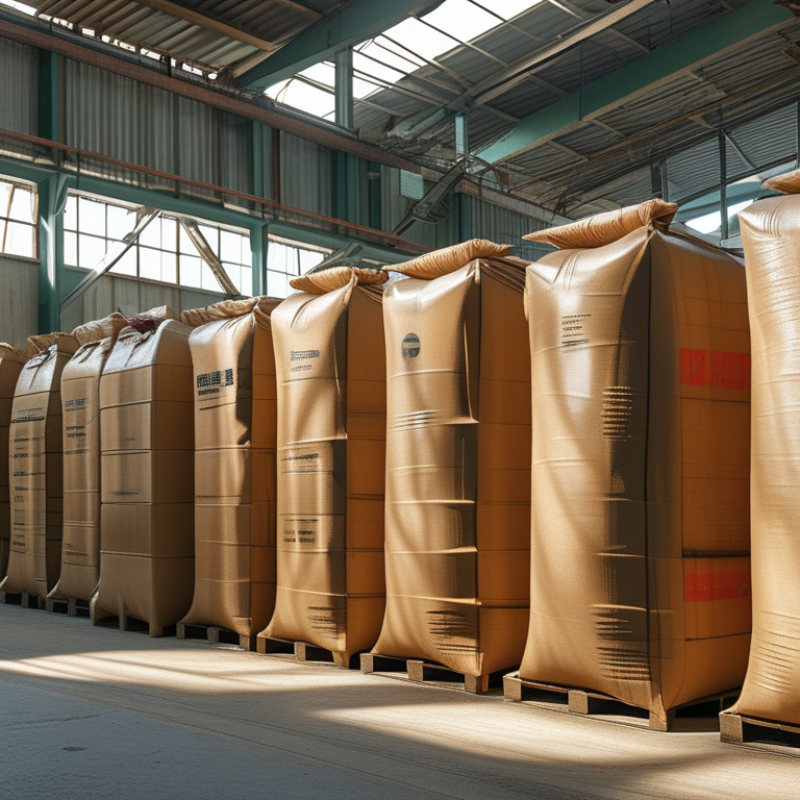
A Jumbo Bag Manufacturer plays a crucial role in the packaging industry. These manufacturers create large flexible containers, often used for bulk materials. Their products serve various sectors, from agriculture to construction. Understanding this role is vital for businesses seeking reliable packaging solutions. It ensures that the materials handled are safe and secure during transport and storage.
Selecting a Jumbo Bag Manufacturer requires careful consideration. First, evaluate their experience in the industry. A manufacturer with years of expertise can better meet unique requirements. Don't hesitate to ask for references and case studies. This helps assess their reliability and standing within the market. Quality control processes are also essential. Check if they adhere to recognized standards in manufacturing. Production capabilities should match your needs, whether for custom sizes or specific materials.
It’s important to reflect on pricing and support as well. Sometimes, low costs can lead to compromised quality. Ensure that the manufacturer is transparent about their sourcing and production techniques. Look for a partner who provides ongoing support, especially for troubleshooting. Not all manufacturers offer this, which can be a pitfall in forming a long-term relationship. Balancing cost with quality and support can lead to better outcomes.
Types of Jumbo Bags and Their Applications
Jumbo bags, also known as bulk bags or FIBC (Flexible Intermediate Bulk Containers), are widely used for transporting and storing bulk materials. These bags come in various types, each designed for specific applications. The most common types include U-panel bags, Four-Panel bags, and Circular bags. U-panel bags are known for their strength and durability, making them ideal for heavy loads. In contrast, Four-Panel bags offer more stability and are often used for materials that need to retain their shape. Circular bags, with no seams, are perfect for fine powders and materials susceptible to contamination.
According to industry reports, the global market for jumbo bags is expected to grow significantly, with a projected compound annual growth rate (CAGR) of around 5.3%. This growth highlights their critical role in sectors like agriculture, chemicals, and construction. In agriculture, they are commonly used to store grains and fertilizers. In the chemical industry, these bags help transport powdered substances safely. However, not all jumbo bags are created equal; some may lack the quality needed for specific applications. Always consider load ratings and material specifications to ensure safety and reliability during transport.
Choosing the right jumbo bag depends on the intended use. Specialized bags can prevent contamination, moisture ingress, and even spillage. Yet, businesses often overlook the importance of proper selection. This can lead to issues like material loss or safety hazards. Understanding your specific needs and the characteristics of different bag types is crucial. Researching reliable manufacturers can guide you in making informed choices.
Key Factors to Consider When Choosing a Manufacturer
Choosing the right jumbo bag manufacturer is essential for ensuring quality and reliability. When assessing potential manufacturers, several key factors come into play. First, examine their production capabilities. A manufacturer with advanced technology and skilled labor can produce bags that meet your specific requirements. Look for details like production volume and equipment used.
Another factor is material sourcing. Reliable manufacturers should use high-quality materials that are durable and environmentally friendly. A clear understanding of how the materials are sourced can reflect the manufacturer’s commitment to sustainability. Ask about certifications or testing processes for the raw materials they utilize.
Quality control processes are critical as well. Ensure the manufacturer has rigorous quality assurance measures in place. Inconsistent quality can lead to product failures, impacting your business reputation. Lastly, consider their customer service. A responsive manufacturer can help address concerns promptly. Poor communication can lead to misunderstandings and delays in your supply chain. Finding a balance between price and value can also be challenging, but it’s vital for long-term partnerships.
Factors to Consider When Choosing a Jumbo Bag Manufacturer
This chart displays key factors to consider when choosing a jumbo bag manufacturer, rated on a scale of importance from 1 to 10. These factors include production capacity, quality control, material sourcing, pricing, and delivery time.
Evaluating Quality Standards and Certifications in Jumbo Bags
When choosing a jumbo bag manufacturer, evaluating quality standards and certifications is crucial. These standards ensure that the bags meet specific performance criteria. Many manufacturers comply with international standards such as ISO. This compliance indicates a commitment to quality and safety. However, not all manufacturers adhere to these standards rigorously. Some may complete paperwork without proper practices.
Certifications serve as a benchmark for quality. Look for certifications that pertain to material safety and environmental impact. For instance, certifications like REACH or RoHS indicate compliance with regulations that ensure safety for users and the environment. Failing to verify these can lead to procurement issues or product failures.
While many manufacturers present impressive certificates, it is important to verify their authenticity. A phone call to the certifying body or a simple web search can clarify doubts. Additionally, consider requesting product samples to test quality firsthand. Even a reputable manufacturer can produce inconsistent products. Conducting regular audits of their production processes can help maintain quality standards over time.
Assessing Manufacturer Reputation and Customer Reviews
When looking for a Jumbo Bag Manufacturer, one crucial aspect is the reputation of the manufacturer. A solid reputation often signals quality and reliability. Researching customer reviews can provide valuable insights. Pay attention to feedback about product durability and customer service. A few negative comments can be a red flag. They might indicate ongoing issues or poor production standards.
Tips: Check online platforms for real reviews. Look for comments that detail specific experiences. Assess the balance between positive and negative reviews. This will help create a clearer picture of the manufacturer’s capabilities. Engaging with other buyers can also build a sense of trust.
Additionally, examine the manufacturer's history. How long have they been in business? Experience often correlates with expertise. However, new manufacturers might offer innovative solutions at competitive prices. Weigh the risks when choosing less established companies. Prioritize those that have undergone third-party certifications. This can enhance the trust factor significantly and ensure compliance with industry standards.