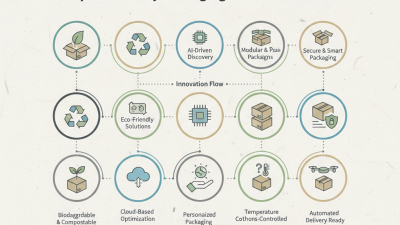
How to Make Packaging That Stands Out for Your Business?
In today's competitive market, businesses must prioritize how they make packaging that stands out. According to a report by Smithers PIRA, packaging plays a critical role in consumer decision-making, influencing over 70% of purchases. This highlights the importance of innovative packaging designs. Renowned packaging expert, Dr. James Farrow, emphasizes, "Creative packaging can turn an ordinary product into an extraordinary experience."
However, businesses often struggle to balance aesthetics and functionality when trying to make packaging. Attention-grabbing designs can sometimes overlook practicality, leading to wasted materials or poor user experience. Companies should aim for a blend of eye-catching visuals and sustainable practices. A study from the Packaging Machinery Manufacturers Institute indicates that 70% of consumers prefer eco-friendly packaging.
As trends shift, it’s crucial to stay updated. An effective packaging strategy not only attracts buyers but retains their loyalty. Reflecting on past designs might reveal flaws. Learning from these missteps can yield better results in future projects. Crafting standout packaging requires ongoing innovation and reflection.
Understanding the Importance of Unique Packaging for Brand Identity
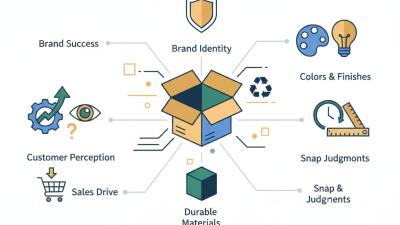
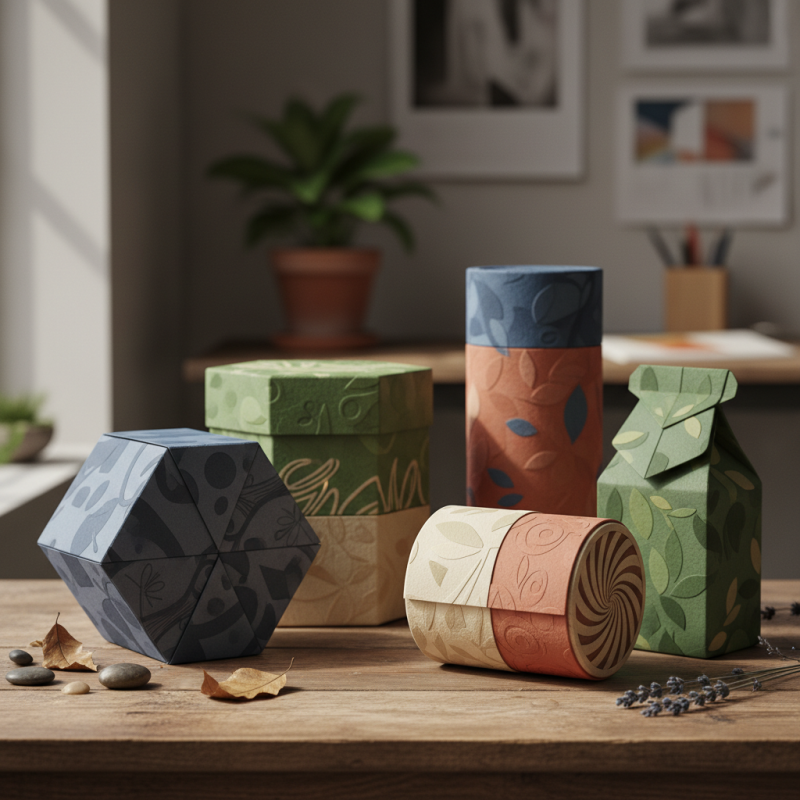
Unique packaging plays a crucial role in defining a brand's identity. It serves as the first point of contact between the customer and the product. This is where a business can convey its values and personality. For instance, eco-friendly materials can reflect sustainability. On the other hand, bold colors might suggest creativity. Each design choice sends a message.
Consumers often connect with products based on their packaging. A memorable box can enhance the unboxing experience. It's a chance to build anticipation. However, some businesses overlook this detail. They might focus too much on costs instead of creating something distinctive. A bland package can lead to missed opportunities. It's essential to reflect on how packaging resonates with the target audience.
Effective packaging can elevate a brand's perception. It can signify quality and care in the product's presentation. Sometimes, brands may feel pressure to conform to trends. This can dilute their uniqueness. Companies should challenge themselves. Finding that unique touch in packaging can lead to consumer loyalty and positive word-of-mouth. Balancing creativity with practicality is vital. Remember, unique packaging isn't just about looking good; it’s about forging connections.
Analyzing Your Target Audience for Effective Packaging Design
Creating standout packaging begins with understanding your target audience. Who are your customers? What do they value? Watching market trends is essential. Consumer preferences shift frequently. Packaging should resonate with their desires. Test different designs through focus groups. Gather feedback to refine your approach.
Tips: Use colors that evoke emotions. Bright colors can attract younger consumers. Subtle tones may appeal to a more mature audience. Ensure readability is clear across all age groups. Materials can also impact perceptions. Sustainable options attract eco-conscious shoppers. Experiment with textures to create a memorable tactile experience.
Packaging design is not just about aesthetics. It must convey your brand story. Authenticity matters. Consumers appreciate honesty in messaging. Overselling may lead to disappointment. Your packaging should match the product inside. Don’t shy away from imperfections in designs. They can humanize your brand. Reflections on mistakes can lead to innovative solutions, enhancing your packaging's effectiveness.
Choosing the Right Materials for Eye-Catching Packaging
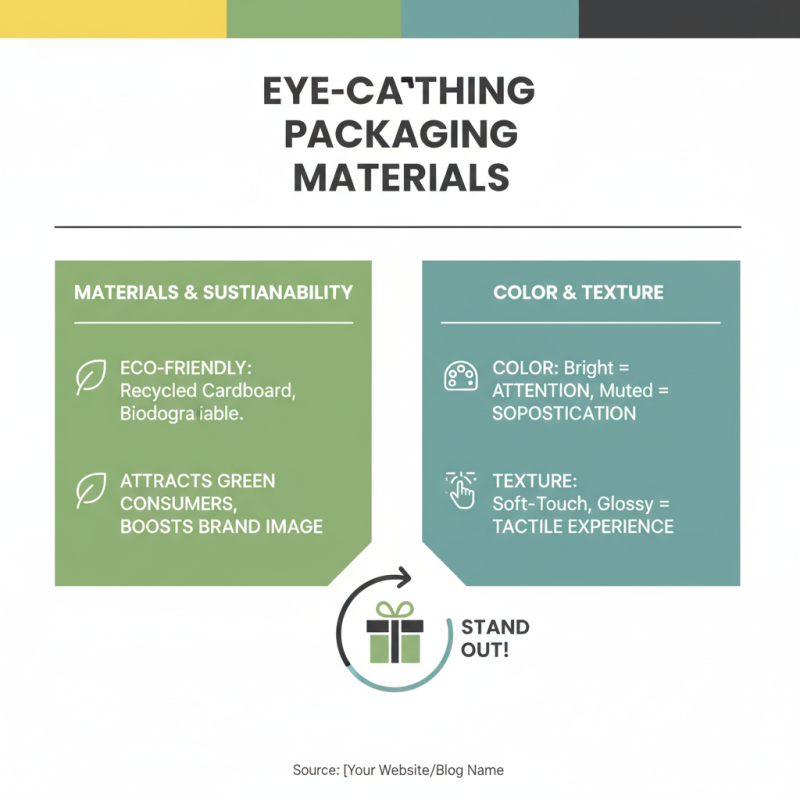
Choosing the right materials for eye-catching packaging is crucial for standing out in a crowded market. Consider using eco-friendly materials like recycled cardboard or biodegradable options. These attract environmentally conscious consumers and enhance your brand’s reputation. Color choices also play a significant role. Bright colors can capture attention, while muted tones convey sophistication. Think about how different textures can enhance the overall experience. Customers appreciate the tactile feedback of a soft-touch finish or a glossy surface.
While exploring new materials, be open about potential challenges. Some eco-friendly options may not be as durable, impacting product protection. You might need to balance aesthetics with functionality. Test your designs with focus groups or surveys. Feedback can reveal preferences you may not have considered. This iterative process can refine your packaging and improve its effectiveness.
Incorporating unique features can elevate your packaging. Consider die-cut shapes or interactive elements that encourage engagement. However, keep in mind your budget constraints. Experimenting with innovative materials can lead to higher costs. Prioritize what aligns best with your brand message while remaining practical. Ultimately, eye-catching packaging is a blend of creativity and thoughtful decision-making.
Incorporating Visual Elements to Enhance Packaging Appeal
Incorporating visual elements into packaging design can significantly enhance its appeal. A study by the Packaging Association reveals that 72% of consumers say that packaging design influences their purchasing decision. Eye-catching visuals attract attention and can evoke emotions. This makes the product more relatable and memorable. Consider using vibrant colors or unique patterns to create a strong identity.
Using elements like typography and imagery helps convey the brand message. Well-chosen fonts can evoke specific feelings. For example, a modern sans-serif font may suggest innovation, while a classic serif might communicate tradition. Furthermore, high-quality images showcase the product's features effectively. However, it's crucial to maintain clarity. Too many visuals can overwhelm potential buyers.
Testing and gathering feedback are essential. A packaging design might look great but fail to resonate with the target audience. It’s vital to conduct surveys and focus groups. Sometimes the intended message doesn't land as expected. An iterative approach helps refine designs based on real consumer insights. Striking the right balance between creativity and functionality is what sets successful packaging apart.
How to Make Packaging That Stands Out for Your Business? - Incorporating Visual Elements to Enhance Packaging Appeal
| Visual Element |
Impact on Packaging |
Considerations |
| Color Scheme |
Evokes emotion and creates brand recognition. |
Choose colors that align with brand identity. |
| Typography |
Enhances readability and conveys brand personality. |
Select fonts that are legible and match brand tone. |
| Imagery |
Captures attention and communicates product use. |
Use high-quality images that accurately represent the product. |
| Finish and Texture |
Adds tactile perception and enhances visual appeal. |
Consider matte vs. glossy finishes based on product type. |
| Shape and Structure |
Differentiates product on shelves and improves user experience. |
Ensure practicality and functionality of the design. |
Testing Packaging Concepts for Market Reception and Feedback
Testing packaging concepts is essential for understanding market reception. A study by Packaging Strategies found that attractive packaging can boost sales by up to 30%. Brands feel compelled to innovate, yet not all designs resonate with consumers. This drives the need for feedback during the design phase.
Companies should conduct focus groups to gauge reactions. Quick surveys can highlight consumer preferences. A report from Nielsen revealed that 64% of consumers have a high preference for packaging that tells a story. Simple concepts may sometimes miss the mark, requiring multiple rounds of testing.
Tips: Use prototypes in different materials. Gather honest feedback to pinpoint strengths and weaknesses. You may need to iterate several times before landing on a successful design. Testing is not just about aesthetics; it’s also about functionality and sustainability. This can influence consumer trust and brand loyalty in the long run.
Packaging Concept Testing Results
This bar chart illustrates the market reception scores for four different packaging concepts based on consumer feedback. Concept B received the highest score, indicating strong market appeal, while Concept C had the lowest score.