Why Choose Pulp Molding for Your Business at the 2026 Canton Fair?
In today's rapidly evolving manufacturing landscape, pulp-molding stands out as a forward-thinking solution. As the 2026 Canton Fair approaches, businesses should consider its unique benefits. Industry expert Dr. Henry Lang, a prominent figure in pulp-molding research, stated, "Pulp-molding is not just eco-friendly; it’s a gateway to innovation."
The demand for sustainable packaging has surged. Pulp-molding offers biodegradable alternatives to traditional materials. Attending the Canton Fair allows companies to explore the latest innovations. With advanced technologies showcased, attendees can discover various applications for pulp-molding. The fair features over 1.55 million square meters of exhibits.
Challenges do exist. Some businesses might hesitate to switch from conventional materials. Yet, exploring pulp-molding can provide substantial long-term benefits. As Dr. Lang emphasizes, making this shift is integral for future growth. Embracing the potential of pulp-molding can enhance sustainability efforts and spark innovation. Each conversation at the fair can pave the way for a brighter future.
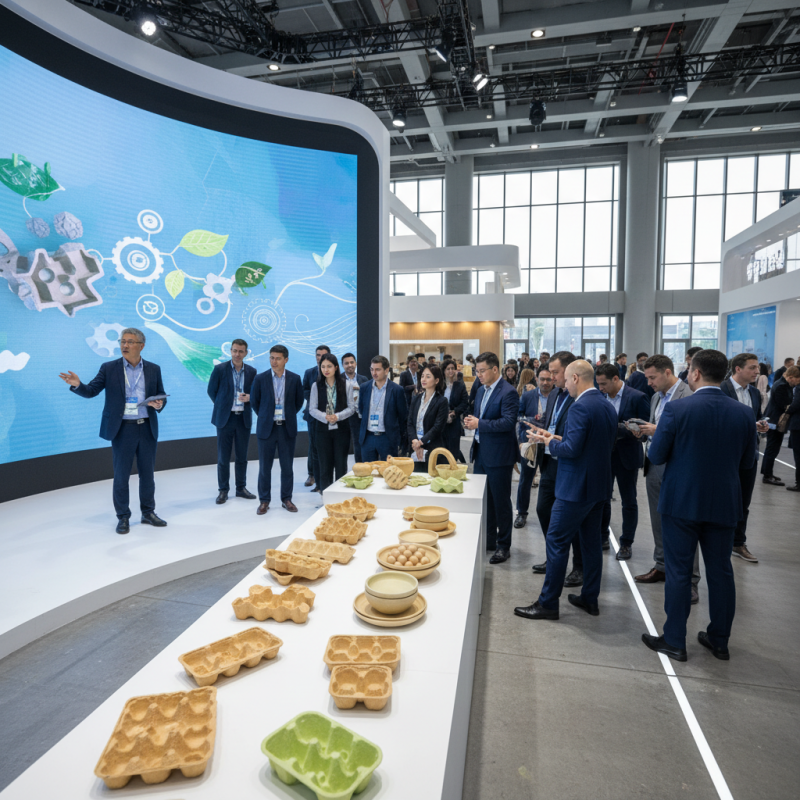
The Benefits of Pulp Molding in Sustainable Packaging Solutions
Pulp molding is an innovative solution for sustainable packaging. It uses recycled paper, turning waste into valuable products. By choosing pulp molding, businesses significantly reduce their environmental footprint. This method not only saves trees but also reduces landfill waste. Companies are increasingly seeking eco-friendly alternatives. Pulp molded items are biodegradable and compostable, making them a responsible choice.
Tips for implementing pulp molding may include researching local suppliers. Look for businesses that prioritize sustainability. Understand the types of materials they use and how they manage production waste. Finding a reliable partner ensures quality and consistency. Pulp molding can sometimes be more expensive initially. However, long-term savings and environmental benefits can offset these higher costs.
It's important to reflect on your packaging choices. Consumers are more aware today than ever. They often prefer brands that demonstrate responsibility. Evaluate if your current solutions align with sustainable practices. Adopting pulp molding might just be the change that resonates well with your audience. Transitioning can be challenging but worthwhile in the long run.
Why Choose Pulp Molding for Your Business at the 2026 Canton Fair? - The Benefits of Pulp Molding in Sustainable Packaging Solutions
| Feature | Description | Benefits |
| Eco-Friendly Material | Made from recycled paper and natural fibers. | Reduces carbon footprint and promotes sustainability. |
| Versatility | Can be molded into various shapes and sizes for different products. | Ideal for diverse packaging needs across industries. |
| Cost-Effectiveness | Lower production costs compared to plastic packaging. | Saves expenses while maintaining quality. |
| Biodegradability | Breaks down naturally in the environment. | Contributes to a circular economy and reduces landfill waste. |
| Protective Qualities | Offers excellent cushioning and protection for products. | Reduces damage during shipping and handling. |
Understanding the Versatility of Pulp Molding in Various Industries
Pulp molding is rapidly gaining traction across various industries. Its adaptability makes it a compelling choice for manufacturers seeking sustainable solutions. Creating packaging, trays, or even custom shapes, pulp molding meets a wide array of needs.
In the food industry, pulp products serve as eco-friendly alternatives to plastic. These materials are biodegradable and disposable. Using them can enhance a company's green image. However, quality control can sometimes pose challenges. Ensuring uniform strength and appearance is essential for customer satisfaction.
In electronics, pulp molding protects delicate items during transit. Custom molds can cradle devices securely, minimizing the risk of damage. Yet, consistency in production is imperative. Variations can lead to inadequate protection, which impacts brand reputation. The versatility of pulp molding presents great opportunities, but quality must remain a priority.
Cost-Effectiveness of Pulp Molding for Business Operations
Pulp molding is increasingly recognized for its cost-effectiveness in various business operations. As businesses seek sustainable solutions, this method offers a practical choice. The production process utilizes recycled paper and other fibers, reducing raw material costs. Companies can benefit from using waste materials that otherwise would contribute to landfill issues.
Additionally, pulp molding techniques can be scaled easily. This adaptability allows businesses to meet varying production demands without significant financial strain. The energy consumption during manufacturing is also lower than in traditional processes. Yet, companies must be cautious about the initial investment in equipment and training. While these costs can seem daunting, the long-term savings often outweigh the upfront expenses.
However, companies might face some challenges. Quality control is crucial; inconsistencies can lead to wasted materials and time. Employee training on machinery and process management is necessary but can be overlooked. Investing in proper training pays off, as skilled workers enhance overall productivity. Pulp molding’s potential to deliver cost savings makes it an attractive option, but attention to these details cannot be ignored.
Cost-Effectiveness of Pulp Molding for Business Operations
How Pulp Molding Meets Environmental Regulations and Standards
Pulp molding is gaining traction in business environments, especially with environmental regulations tightening worldwide. A report from the Global Industry Analysts indicates that the eco-friendly packaging market is expected to reach $500 billion by 2025. This highlights a strong trend towards sustainable materials. Pulp molding fits seamlessly into this narrative. Using recycled paper and agricultural residues, it reduces waste and conserves resources.
Recent studies show that pulp molding products use less energy and water compared to plastic alternatives. In fact, manufacturing pulp molded items can save up to 60% in energy consumption. These statistics are compelling for businesses looking to enhance their sustainability efforts. However, some companies still hesitate. They worry about the durability and aesthetic appeal of pulp molded products. These concerns are valid but increasingly outdated.
Additionally, compliance with international standards like ISO 14001 can be cumbersome. However, pulp molding inherently meets many of these standards, reducing compliance burdens. Reports suggest that companies adopting responsible materials see an increase in customer loyalty. As consumers become more environmentally conscious, they prefer businesses that prioritize sustainability. Embracing pulp molding can provide a competitive edge while meeting ethical responsibilities.
Networking Opportunities at the 2026 Canton Fair for Pulp Molding Suppliers
The 2026 Canton Fair presents a unique platform for pulp molding suppliers. With thousands of attendees, networking becomes invaluable. This fair allows you to meet potential clients and partners face-to-face. Every conversation could pave the way for new opportunities in the pulp molding industry.
Connecting with other suppliers can enhance your business solutions. Share insights about material sourcing or production techniques. These discussions often reveal gaps in the market. Reflecting on your own practices can help refine your offerings. It's crucial to learn from both successes and failures in your approach.
Participating in workshops at the fair will deepen your knowledge too. Attend sessions that discuss sustainable practices in pulp molding. Every detail matters, so be ready to ask questions. Networking isn't just about gaining contacts; it's about building relationships that foster growth.