

10 Tips for Achieving Quality Packaging Success
In the competitive realm of product marketing, achieving quality packaging is paramount. David Smith, a renowned expert in the quality packaging industry, once stated, “Quality packaging is not just about looks; it’s about value and functionality.” This statement underscores the importance of not only aesthetic appeal but also the practical benefits that effective packaging can offer.
Many brands overlook the intricacies of quality packaging. They focus on design while neglecting materials that ensure product safety. Understanding this balance is vital for success. Effective packaging can enhance user experience. However, many companies still struggle to implement best practices. For instance, choosing the wrong materials can lead to product damage.
The details matter significantly in quality packaging. From the type of seals used to the surface finish, every element contributes to the overall impact. Investing in the right processes can set a brand apart. Nonetheless, it’s essential to critique existing packaging strategies. Continuous improvement is crucial. Quality packaging requires constant reflection and adaptation to meet customer expectations.

Strategies for Selecting the Right Packaging Materials Based on Industry Standards
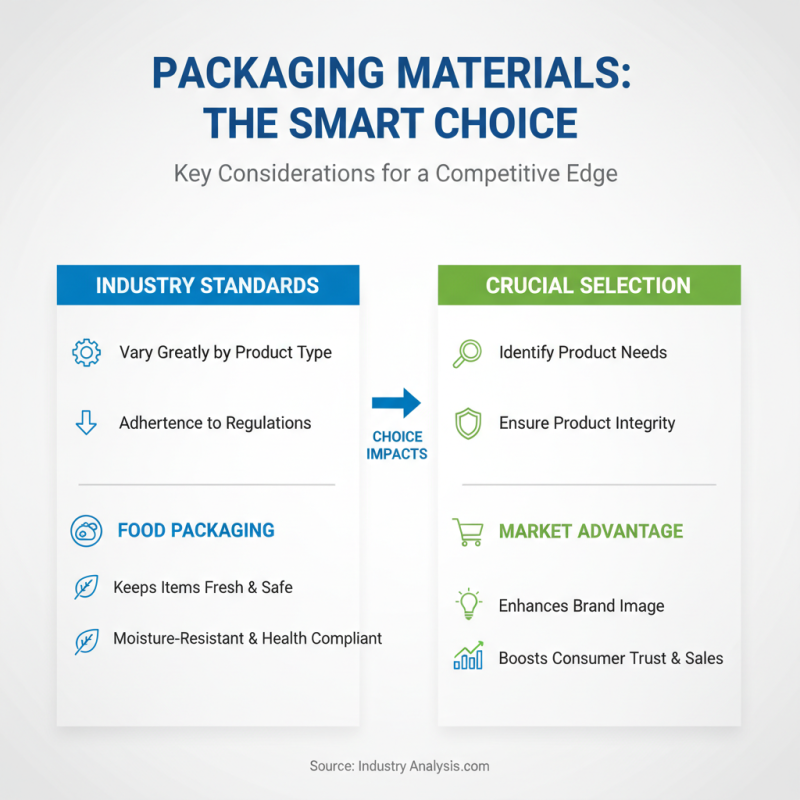
Selecting the right packaging materials is crucial in today's competitive market. Industry standards vary greatly, depending on the product. For instance, food packaging requires materials that keep items fresh and safe. This often means choosing materials that are moisture-resistant and adhere to health regulations.
Adapting to these standards can be challenging. Some businesses overlook the importance of sustainability. Eco-friendly materials are in demand, yet they may not perform as well as traditional options. A balance must be struck between safety, cost, and environmental impact. It's vital to evaluate the consequences of these choices on the brand image.
Testing the materials before full-scale production is essential. Sometimes, unexpected issues arise during shipping or storage. A seemingly perfect package may not hold up under pressure. Conducting thorough evaluations can prevent costly mistakes later. Therefore, ongoing reflection on packaging strategies is necessary. Innovations in materials are frequent; staying updated is key.
Understanding Consumer Preferences Through Packaging Design Trends and Research
Packaging design plays a pivotal role in capturing consumer interest. Recent studies show that 72% of consumers form their first impression based on packaging alone. Bright colors and interesting shapes can draw potential buyers in. Meanwhile, minimalist designs attract a different segment. Companies need to consider these preferences carefully.
Research indicates that eco-friendly packaging influences 66% of consumers' purchasing decisions. Brands that prioritize sustainability often see higher loyalty rates. Yet, many still overlook this critical aspect. High-quality materials can enhance perceived value, but they often come at a cost. Striking the right balance is essential, yet challenging.
Furthermore, consumers are becoming more discerning. They seek authenticity and transparency in packaging. Overly flashy designs may backfire if they don't align with the product's message. In an era of information overload, simplicity can be more powerful. Companies should invest in ongoing research to understand shifting trends. This understanding can guide their packaging strategies effectively.
Implementing Sustainability Practices in Packaging to Meet Regulatory Demands
Sustainability in packaging has become a pressing requirement for businesses. A recent report by the Ellen MacArthur Foundation indicates that over 80% of consumers are concerned about plastic waste. Companies are now feeling the pressure to meet these expectations. Implementing sustainable practices is not merely an option but a necessity to stay competitive.
Regulatory demands are shaping the landscape. In the EU, the Plastic Packaging Tax is a critical example. It aims to incentivize businesses to reduce non-recyclable plastics. As a result, many companies are shifting toward recyclable and compostable materials. However, the transition is not devoid of challenges. Sourcing sustainable materials can be costly. Additionally, ensuring the entire packaging process adheres to environmental regulations requires rigorous monitoring and adaptation.
Packaging design must also evolve. Simply using eco-friendly materials is not enough. A study by McKinsey highlights that 60% of packaging innovations fail to resonate with consumers. Designers must focus on functionality and aesthetic appeal. Balancing sustainability with practicality proves complex. Brands need to rethink their strategies constantly, ensuring that sustainability becomes a holistic part of their identity.
Maximizing Product Protection and Shelf Life through Advanced Packaging Techniques
Quality packaging plays a crucial role in product protection and shelf life. Using advanced techniques can significantly enhance these factors. One effective method involves selecting the right materials. Biodegradable films or barrier coatings help prevent moisture and oxygen from damaging products. These choices support sustainability while ensuring freshness.
Another strategy is optimizing packaging design. Innovative shapes can minimize empty space, reducing movement during transportation. This decreases damage risk. Also, adjustments in cushioning materials can provide better shock absorption without adding excessive weight. However, achieving balance is challenging. Overly complex designs may increase costs and complicate production.
Monitoring and testing are essential components of successful packaging. Implementing real-time tracking during distribution can provide insights. It highlights areas needing improvement. Regular assessments of shelf life performance also aid in refining techniques. Mistakes are opportunities for learning. Adapting packaging in response to feedback can lead to better solutions. Embracing this mindset fosters continuous improvement in achieving quality packaging success.
Quality Packaging Techniques Impact on Shelf Life
This chart illustrates the impact of various packaging techniques on the shelf life of products. The data represents the average shelf life (in days) for different packaging methods.
Leveraging Technology and Automation for Efficient Packaging Processes
In today's fast-paced world, technology and automation play a vital role in packaging success. Companies can streamline their processes by utilizing innovative tools. For instance, automated packing machines can significantly reduce labor time. This shift frees workers for more critical tasks. However, not every business can immediately adopt these high-tech solutions. Transitioning may present challenges, such as technical malfunctions or high upfront costs.
Moreover, it’s essential to focus on selecting the right technology. There’s no “one-size-fits-all” solution. Businesses must analyze their unique needs and existing workflows. Some might find that a partial automation strategy works better initially. Others may face learning curves with new equipment. This can sometimes lead to mistakes during early usage. Continuous training and feedback loops are crucial for improvement.
Finally, constant evaluation of processes is necessary. Just because a technology seems efficient doesn’t mean it always is. Gathering data and feedback can help identify areas needing adjustment. The key is to remain flexible and willing to adapt. Sometimes, too much reliance on technology can create oversight issues. Reflecting on these challenges is vital to achieving genuine packaging efficiency.
10 Tips for Achieving Quality Packaging Success - Leveraging Technology and Automation for Efficient Packaging Processes
| Tip Number | Tip Description | Benefits | Technology Used |
|---|---|---|---|
| 1 | Implement Automated Packing Systems | Increases speed and consistency of packing | Robotic arms |
| 2 | Use Smart Packaging Materials | Enhances product protection while reducing waste | Eco-friendly materials |
| 3 | Incorporate IoT for Real-Time Monitoring | Improves supply chain visibility and tracking | IoT sensors |
| 4 | Utilize Data Analytics to Optimize Processes | Enhances decision-making and efficiency | Analytics software |
| 5 | Adopt Flexible Packaging Solutions | Reduces costs and increases adaptability | Flexible packaging machinery |
| 6 | Focus on User-Friendly Design | Enhances consumer experience and satisfaction | CAD design software |
| 7 | Integrate Automation in Quality Control | Minimizes errors and enhances product integrity | Vision systems |
| 8 | Leverage E-commerce Packaging Solutions | Ensures safe delivery and reduces returns | Customized shipping boxes |
| 9 | Train Staff on New Technologies | Improves efficiency and reduces downtime | Training programs |
| 10 | Continuously Assess and Improve Processes | Maintains competitiveness and quality | Process management tools |
Related Posts
-
10 Essential Tips for Innovative Paper and Packaging Solutions?
-

What is Card Box Packaging and Why is it Important?
-
What is Sample Packaging in Product Marketing and Design?
-

10 Best Ways to Design Your Own Packaging for Unique Brand Identity?
-

Top Trends in Better Packaging Solutions for 2025 You Need to Know
-
Top 10 Tips for Creating Packaging That Boosts Sales and Attracts Customers