Top 10 Anti Clogging DTF Inks for Global Buyers?
Choosing the right Anti Clogging Dtf Ink is more than comparing prices, color density, or drying speed. Global buyers need dependable performance across different printers, printheads, films, climates, and production schedules. A bottle that performs well in a cool workshop may behave differently in humid storage conditions. Small details matter: nozzle checks, white ink circulation, shaking routines, and overnight idle time can change the final result.
Marco Boer, a recognized digital printing industry analyst, has emphasized that “digital printing succeeds when technology, workflow, and business needs work together.” This principle applies strongly to DTF ink selection. Anti-clogging chemistry may reduce nozzle interruptions, but it cannot replace proper maintenance or suitable printer settings. That limitation is easy to overlook.
This guide examines ten Anti Clogging Dtf Ink options for international buyers. It considers white ink stability, color vibrancy, filtration, drying behavior, printhead compatibility, packaging quality, and supplier support. Practical factors are included too, such as transport temperature, batch consistency, technical documentation, and replacement availability.
No ink is perfect.
Some products may perform impressively in controlled tests but show weaknesses during long production runs. Others may offer stable white ink but require more frequent circulation. These differences deserve honest attention. Our comparison therefore avoids promising universal results. Instead, it highlights where each product may fit, where caution is needed, and what buyers should verify before placing a larger order. This approach supports more informed purchasing decisions and reduces avoidable production interruptions.
What Makes DTF Ink Resistant to Clogging?
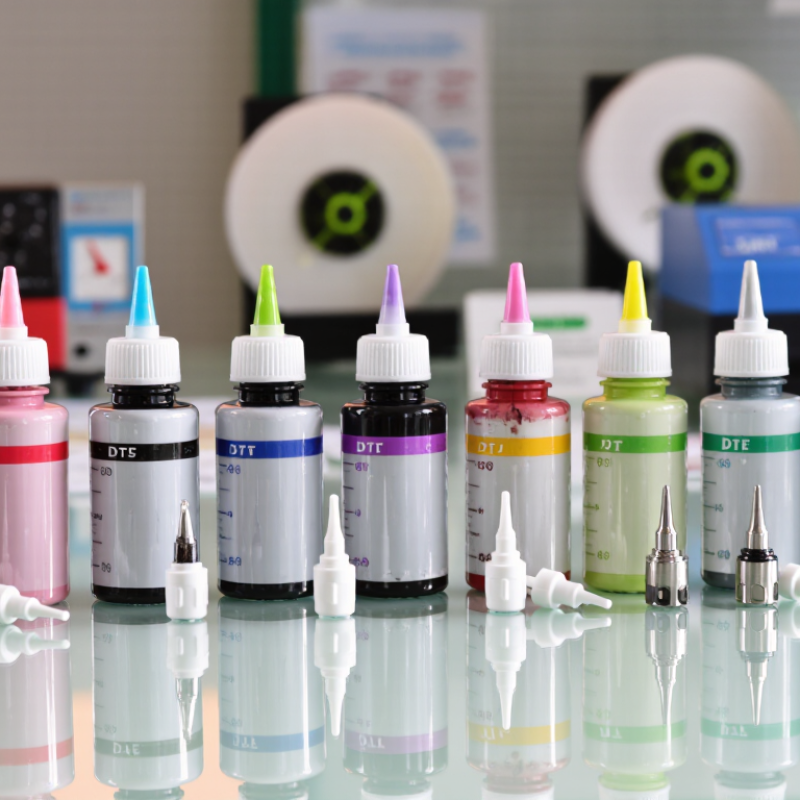
For global buyers, anti-clogging DTF ink starts with particle control, not attractive color charts. Reliable formulas use finely milled pigments and stable dispersants. Small, uniform particles pass through printhead channels with less friction. Viscosity must remain consistent across ordinary workshop temperatures. Too thick, ink hesitates; too thin, it may mist or weaken coverage. Surface tension also matters because drops must form cleanly without satellites. These details are measurable, but supplier data still needs practical testing.
In daily production, humectants slow evaporation around the nozzle plate. This helps during short pauses, especially in dry rooms. However, excessive humectant can lengthen drying and affect powder bonding. White ink needs extra attention because its heavier pigment settles faster. Gentle circulation, scheduled shaking, and a clean filtration path reduce risk. Not maintenance-free. I have seen a well-performing sample fail after two idle days when storage temperature changed.
Buyers should request viscosity ranges, particle-size information, filtration standards, and recommended storage conditions. Test the ink on the intended printer, printhead, film, and powder. Record nozzle checks after overnight rest, not only after a fresh refill. Results can change with humidity, ink age, and cleaning habits. A controlled trial is more trustworthy than a confident sales claim. No formula is perfect. Contaminated lines and neglected dampers can defeat even stable ink. That limitation deserves honest attention before a large purchase.
Key Performance Criteria for Global Ink Buyers
For global buyers, anti-clogging DTF ink must perform beyond a clean sample print. In production, white ink often settles during overnight pauses. Stable dispersion and controlled viscosity help protect printhead nozzles. A practical test includes idle periods, repeated white layers, and small text details. Watch the nozzle check closely.
Climate changes the result. Ink used in humid Singapore may behave differently in dry European warehouses. Buyers should review recommended storage temperatures, shelf life, and freeze protection. Reliable suppliers provide batch records, technical data, and consistent color measurements. Independent testing is valuable, especially for long-distance shipping. A laboratory number can still mislead.
Ask for a trial quantity before placing a large order.
Print gradients, solid white areas, and fine outlines on several film types. Check drying speed, powder adhesion, wash durability, and color stability after curing. Maintenance needs also matter; excessive cleaning can raise operating costs and interrupt schedules. I have seen promising inks fail after three idle days. That weakness is easy to miss. No formula removes every risk, so buyers should record results under their own temperature, printer settings, and production rhythm. Supplier support matters when a batch behaves differently. A quick response is useful, but documented corrective action is better.
Top 10 Anti-Clogging DTF Inks by Application
Top 10 Anti-Clogging DTF Inks by Application
DTF ink selection should follow the fabric, workload, and curing conditions. Grand View Research values the global digital textile printing market at about USD 2.72 billion in 2023, with an estimated 11.9% CAGR through 2030. That growth increases pressure on stable, low-maintenance ink systems. The ten practical applications are cotton T-shirts, polyester sportswear, dark garments, light garments, stretch fabrics, workwear, children’s clothing, promotional bags, home textiles, and short-run custom orders. For cotton, choose flexible pigment ink with strong wash resistance. Polyester needs low-bleed behavior. Dark garments require highly stable white ink. Light garments can use lower-opacity white ink, reducing sediment risk. Stretch fabrics need elastic color layers. Workwear demands abrasion resistance. Children’s clothing benefits from low-odor formulations. Bags need fast curing. Home textiles require soft hand feel. Short-run orders need reliable start-up after idle periods.
White ink remains the main clogging concern. Regular circulation helps, but it cannot replace proper storage and nozzle checks. A 2024 Smithers industry outlook identifies automation and process stability as major priorities in digital textile production. My practical experience agrees, although small printers often underestimate humidity. Around 45% to 65% relative humidity is commonly recommended for inkjet rooms, but each formulation differs. Test it. Poor ventilation, dusty film, and long idle periods can still create failures. Anti-clogging claims should therefore be checked through a 24-hour idle test, nozzle-pattern inspection, transfer wash test, and repeated cleaning cycles. A small weakness remains: laboratory results may not predict every fabric blend. Start with real production samples.
Comparing Print Quality, Compatibility, and Maintenance Needs
For global buyers, anti-clogging DTF ink should be judged beyond a product label. In practice, I compare nozzle stability, color density, white opacity, stretch resistance, and drying behavior. A clean test pattern matters. Print 20 to 30 transfers, then inspect fine text, skin tones, and solid white areas. Strong ink keeps edges sharp without making dark colors look heavy. White ink deserves extra attention. It can settle during pauses, even when a supplier claims low maintenance. That claim needs evidence.
Compatibility begins with the printer, printhead, film, powder, and curing temperature. An ink may perform well in one system and fail in another. Ask for technical data, batch information, and a small trial quantity. Check viscosity, surface tension, recommended shaking or circulation, and storage range. In humid warehouses, slow drying can cause smearing. In cold rooms, viscosity may rise and create weak spray patterns. I prefer measured nozzle checks before and after overnight stops. Results are more useful than marketing language. Not perfect, but repeatable.
When comparing ten anti-clogging options, rank print quality separately from maintenance needs. One may deliver brighter colors but require frequent white-ink circulation. Another may reduce cleaning time but show weaker opacity on black garments. Record purge volume, cleaning frequency, waste, and transfer durability. Operators should also test mixed workflows, including long idle periods and different fabric blends. A practical buyer should review at least three production cycles. Small flaws appear later. My own trials sometimes favored balanced performance over the brightest sample, although that judgment can change with film and powder. Keep the records.
Top 10 Anti-Clogging DTF Ink Formulation Profiles
Comparative benchmark of nozzle reliability, print quality, material compatibility, and maintenance requirements. Scores are normalized from 0 to 100; higher scores indicate better overall performance.
The strongest profiles combine stable white-ink dispersion, low sedimentation, consistent droplet formation, broad textile compatibility, and reduced daily maintenance. In practical use, regular circulation, correct storage temperature, and scheduled nozzle checks remain essential even with anti-clogging formulations.