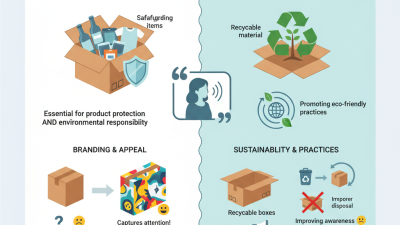
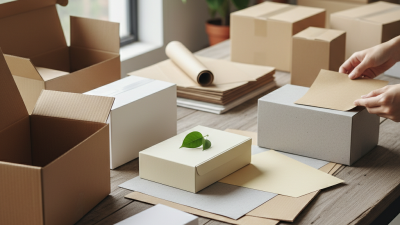
Top 10 Benefits of Card Packaging for Your Business?
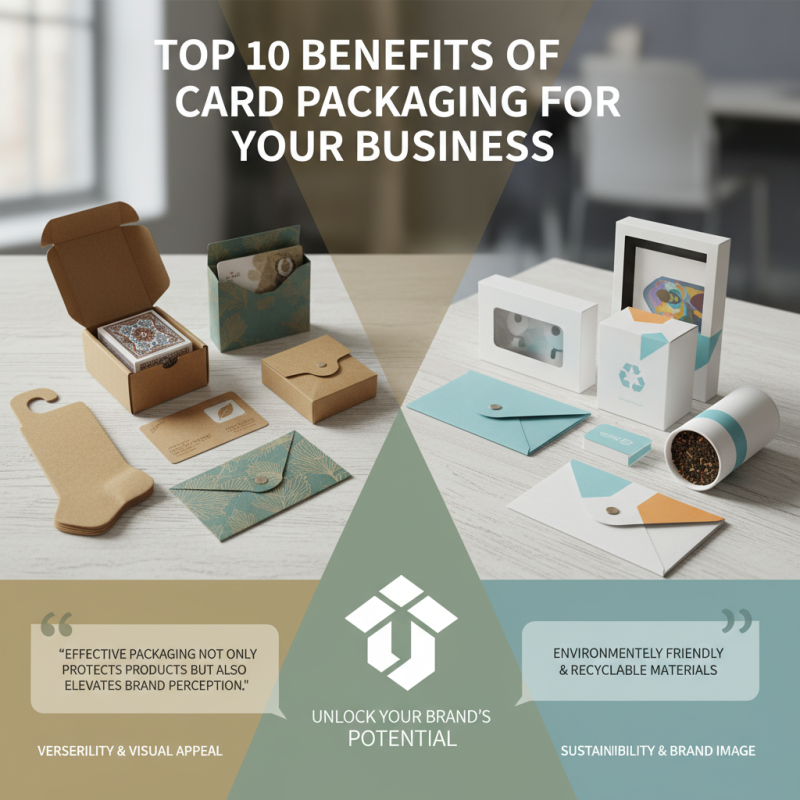
In the competitive landscape of modern business, the choice of packaging can significantly influence success. Expert Sarah Johnson, a leading voice in the card packaging industry, states, "Effective packaging not only protects products but also elevates brand perception." This highlights the multifaceted benefits of card packaging. It serves as a vital marketing tool while ensuring sustainability.
Card packaging is known for its versatility. It can be customized to fit various products, enhancing visual appeal. This customization attracts consumers, creating a memorable brand experience. However, many businesses overlook the importance of packaging design. They focus solely on the product inside.
Moreover, card packaging is environmentally friendly. It is often made from recyclable materials. This aligns with consumer preferences for sustainable options. Yet, some companies still prioritize cost over eco-conscious choices. This short-sightedness can harm both the brand and the planet. Embracing card packaging offers numerous benefits, but businesses must critically assess their packaging strategies to leverage its full potential.
Understanding Card Packaging and Its Role in Business
Card packaging has become a vital aspect of modern business. It offers numerous advantages that can directly impact a company’s bottom line. According to a recent report by Smithers Pira, the global market for card packaging is set to reach $300 billion by 2025. This growth emphasizes its importance in various sectors, including food, cosmetics, and electronics. Card packaging not only provides protection for products but also enhances their visual appeal.
Many consumers are drawn to attractive packaging. Studies indicate that nearly 72% of consumers say packaging design influences their purchase decisions. Cardboard materials are versatile and can be easily customized to reflect brand identity. However, companies must ensure that their designs don't overwhelm the product itself. There’s a risk of losing the essence of the product in eye-catching designs.
Sustainability comes into play with card packaging as well. According to the Paper and Packaging Board, 70% of consumers prefer brands that use sustainable packaging. This reflects a shift in consumer priorities. Focusing on eco-friendly options can seem daunting; yet, it’s a necessary step. Balancing cost, design, and sustainability often leads to tough decisions. In this dynamic landscape, businesses must constantly adapt to stay relevant.
Cost-Effectiveness: How Card Packaging Reduces Operational Costs
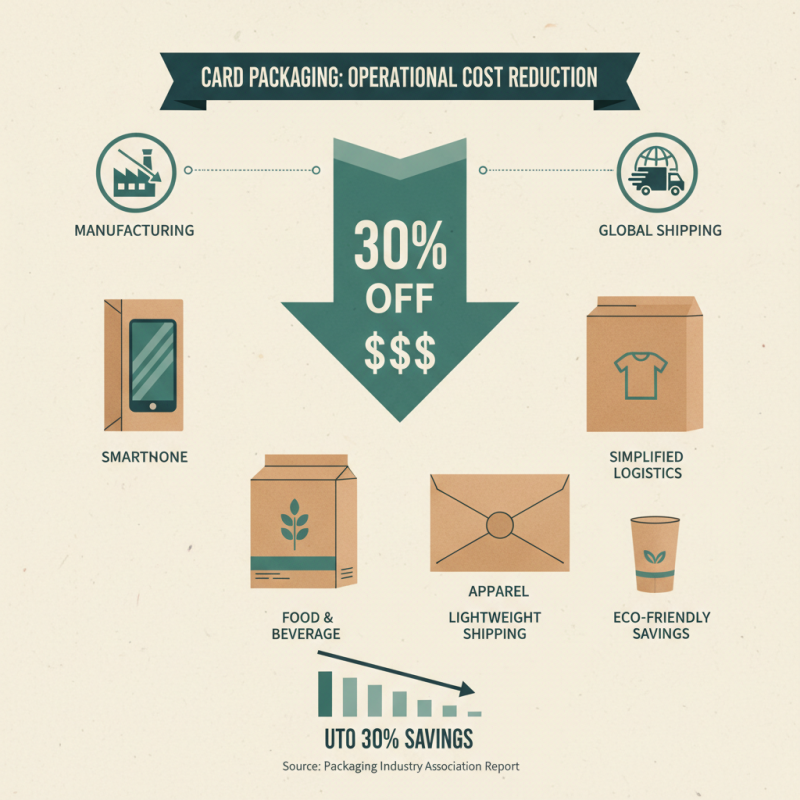
Card packaging has gained traction in various industries due to its cost-effectiveness. According to a recent report from the Packaging Industry Association, businesses can reduce their operational costs by up to 30% by switching to card packaging. This reduction stems from lower material costs and simplified logistics. Cardboard is lightweight, which leads to savings in shipping expenses.
Tips: Consider sourcing recycled materials. This can further cut costs. Plus, it boosts your brand's eco-friendly image.
Efficiency also comes from card packaging's adaptability. It reduces waste during production and can be customized easily. A study by the Global Packaging Forum indicated that companies using efficient packaging designs experienced a 20% decrease in waste. However, the switch isn't always smooth. Some businesses find adapting to new designs challenging.
Tips: Invest in training for your team. Understanding the benefits of card packaging is crucial for a smooth transition.
Overall, smart use of card packaging can enhance profitability while supporting sustainability goals. Identifying the best printing techniques can make a difference in cost and quality.
Sustainability Benefits of Card Packaging in Modern Commerce
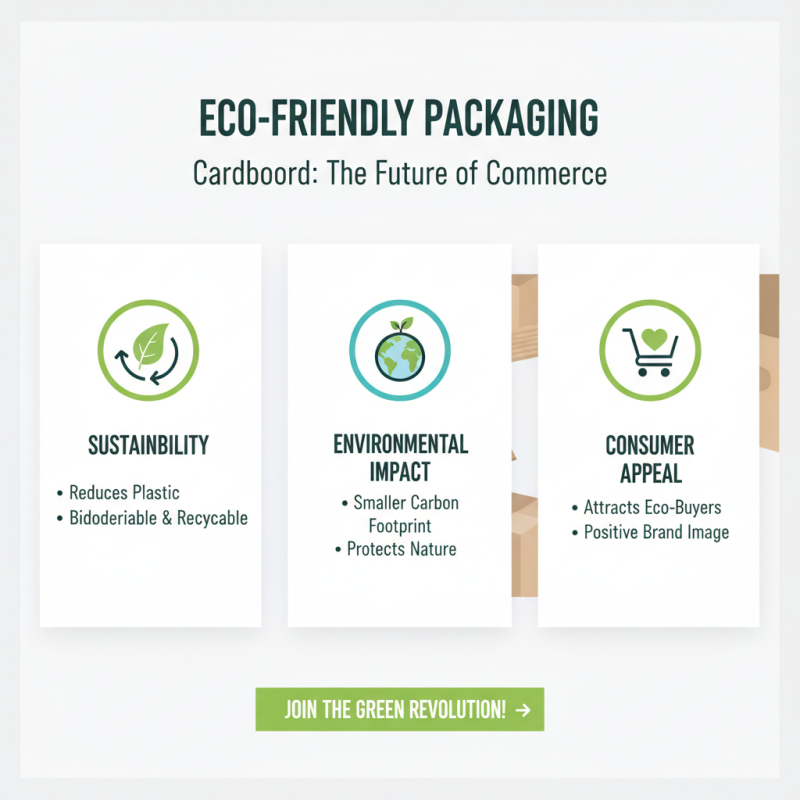
Card packaging is gaining momentum in modern commerce. One key reason is its sustainability. It reduces plastic usage, which helps the environment. Cardboard is biodegradable and recyclable. This leads to a smaller carbon footprint. Businesses can impress eco-conscious consumers with such practices.
Tips: Use local materials when possible. Sourcing nearby cuts transportation emissions. It shows commitment and supports the local economy.
Additionally, card packaging often requires less energy to produce compared to plastics. Companies that adopt it can lower energy costs. Sometimes, however, it’s easy to overlook the need for sturdy designs. Weak card structures may lead to damaged products. This can ultimately harm customer satisfaction, so reflect on design choices carefully.
Tips: Test packaging durability before mass production. Focus on both aesthetics and functionality. Make sure your packaging can withstand transportation challenges.
Enhancing Brand Identity Through Custom Card Packaging Solutions
Custom card packaging solutions can significantly enhance your brand identity. Unique designs make your products stand out. When customers see your packaging, it conveys a message. The right colors and graphics create an emotional connection. A well-crafted box can evoke feelings of excitement and joy.
Using card packaging also allows for creativity. You can personalize the packaging to reflect your brand's personality. Different textures and finishes offer a luxurious touch. For instance, matte finishes can feel more sophisticated, while glossy surfaces add vibrancy. These details matter; they can capture attention and foster brand loyalty.
However, not every design resonates with every audience. It's essential to research your target market. Test different concepts to see what works best. Feedback is essential for refining your packaging. Sometimes, what seems perfect might fall flat. Embrace these moments for growth. Strive to improve and adapt for better results.
Improving Customer Experience with Functional Card Packaging Designs
Card packaging is more than just a container. It's an opportunity to enhance customer experience. Functional designs can simplify the unboxing process. Customers appreciate easy-to-open packages. This also reduces frustration and encourages repeat purchases.
One effective tip: integrate user-friendly features like resealable tops or easy-to-read labels. These small changes can greatly improve usability. Consider how your customers will interact with the packaging. Will they find it convenient? Reflect on this often.
Engaging graphics can attract attention. However, striking a balance between aesthetics and functionality is essential. Avoid overly complex designs that may confuse users. Instead, aim for clarity and simplicity. Your packaging should convey information quickly. Let’s not overlook its role in branding. Packaging can tell a story if done thoughtfully. How does it reflect your brand's values? Keep evaluating your choices for continuous improvement.
Top 10 Benefits of Card Packaging for Your Business