Top Paper Box Packaging Solutions for Global Buyers?
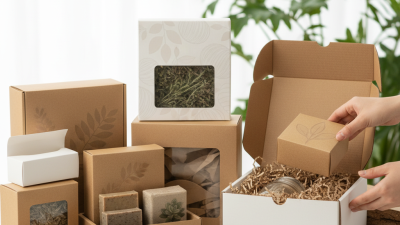
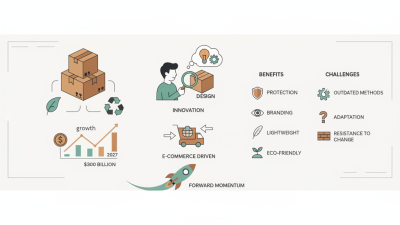
In today’s competitive market, paper box packaging is a vital consideration for global buyers. Recent industry reports reveal that the paper packaging market is expected to reach approximately $500 billion by 2025. This growth highlights the demand for sustainable and efficient packaging solutions. Eco-conscious consumers increasingly prefer brands that use recyclable materials, leading to a surge in paper box packaging adoption.
As e-commerce continues to rise, the role of packaging becomes even more crucial. Studies indicate that 72% of consumers believe that packaging influences their purchasing decisions. This makes it imperative for companies to invest in quality paper box packaging. However, many brands struggle to find the ideal solution that balances cost and functionality. They often need to reassess their packaging choices to meet consumer expectations while maintaining profitability.
While the benefits of paper box packaging are clear, challenges remain. Some brands may overlook the importance of design and durability. Research shows that poorly designed packaging leads to a negative unboxing experience, potentially harming brand reputation. Global buyers must reflect on their packaging strategies to ensure they align with market trends and consumer demands for quality and sustainability.
Top Trends in Paper Box Packaging Industry for Global Buyers
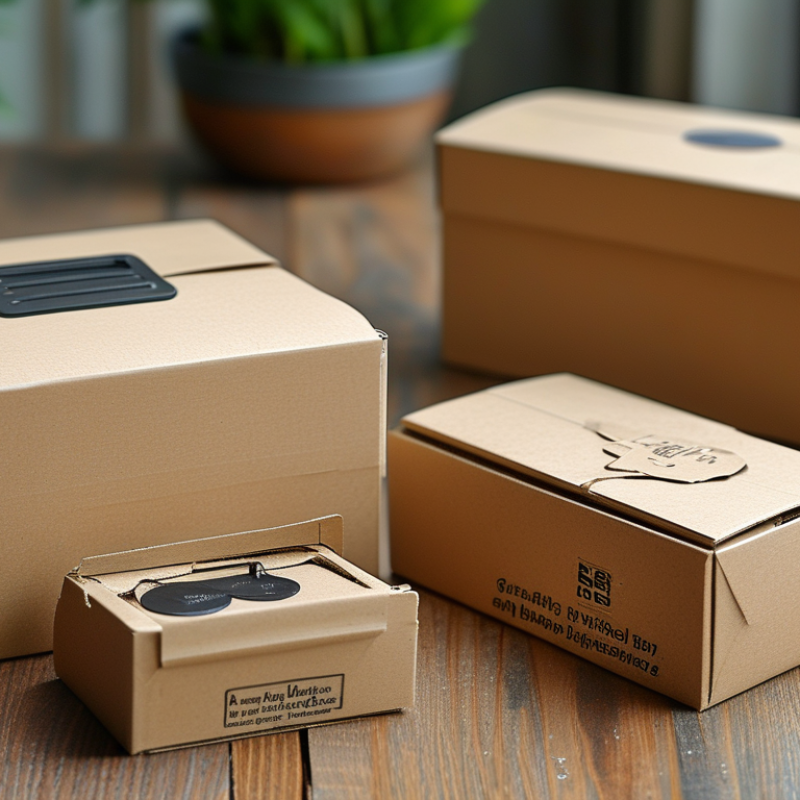
The paper box packaging industry is witnessing significant trends driven by sustainability, innovation, and consumer preferences. According to a recent report by Smithers Pira, the global market for paper packaging is expected to reach $500 billion by 2024, with a compound annual growth rate of 4.5%. This growth reflects a shift towards eco-friendly materials and methods, appealing to environmentally-conscious consumers.
One noticeable trend in the industry is the increasing demand for customization. Businesses are focusing on creating tailored packaging solutions to improve brand recognition. A study from Technavio indicates that the personalized packaging market will grow by 5% per year. As a result, brands are investing in digital technologies to enhance customization capabilities, which may involve a learning curve for many companies.
Tip: Consider how your brand can effectively use sustainable materials while still enhancing its visual appeal. Balancing eco-friendliness with aesthetics can be challenging but rewarding.
Another important aspect is the rise of e-commerce, which amplifies the need for robust and secure packaging. The Covid-19 pandemic accelerated online shopping. As a result, consumers prefer lightweight and durable packaging. A report from Euromonitor International highlighted that packaging should protect products during transit and create a memorable unboxing experience.
Tip: Evaluate your logistics. Ensure packaging solutions are not only attractive but also functional to handle delivery challenges. This is crucial as consumer expectations continue to evolve.
Key Materials Used in Paper Box Packaging Solutions
When considering paper box packaging, the choice of materials is crucial. Many companies prioritize sustainability, opting for recycled paper as a primary option. This choice reduces waste and appeals to eco-conscious consumers. The fibrous structure of recycled paper provides strength while allowing customization. However, it's essential to ensure the recycled content retains quality. Some may overlook the importance of weight and thickness in these materials.
Another popular choice is kraft paper. Its robustness makes it ideal for various products, from food items to electronics. Available in different grades, kraft paper offers versatility. However, the sourcing practices must be transparent. Knowing the origin of the paper used is vital for sustainable practices. Moreover, certain kraft papers may lack a smooth finish, impacting print quality.
Corrugated cardboard often features in shipping and retail packaging. Its layered structure delivers excellent protection. Yet, not all corrugated materials are created equal. Some may find themselves using heavier grades unnecessarily, leading to increased shipping costs. Additionally, consumers should be aware of potential additives in these materials. Transparency in ingredients is essential for determining safety and environmental impact. The balance between functionality and sustainability remains a challenge in the industry.
Sustainable Practices in Paper Box Manufacturing and Design
Sustainable practices in paper box manufacturing are essential for meeting the growing demands of global buyers. The paper and packaging industry produces approximately 400 million tons of paper annually, with a significant portion dedicated to packaging solutions. By adopting eco-friendly materials and processes, manufacturers can contribute to reducing waste and lowering carbon footprints. For instance, using recycled paper can cut energy use by up to 60% compared to virgin fibers, as noted in a recent industry report.
Investing in innovative design and efficient production methods not only meets sustainability goals but also satisfies consumer preferences. Many buyers prioritize packaging that is biodegradable or made from renewable resources. Research shows that 74% of consumers are willing to pay more for sustainable packaging. This trend signifies a shift towards environmental consciousness in purchasing decisions.
Creating small adjustments can lead to significant changes. For example, optimizing package sizes reduces material usage and transportation costs. Engaging in local sourcing can also minimize environmental impact. It's important to evaluate the entire supply chain, from harvesting raw materials to product delivery, to ensure a truly sustainable approach.
Custom Printing Options for Enhanced Brand Visibility in Packaging
Custom printing options are essential for enhancing brand visibility in packaging. Research indicates that 70% of consumers remember brands based on their packaging. This statistic highlights how impactful design and printing can be. Effective packaging can attract attention on crowded shelves. It plays a key role in consumer decision-making.
A recent study from Smithers indicates that personalized packaging increases customer engagement by 30%. This is particularly important in the age of e-commerce. Customized designs help products stand out during online purchases. Bold colors, unique fonts, and engaging graphics can make a lasting impression. However, not all brands invest adequately in custom printing. Many overlook the potential ROI of quality design.
Sustainability is also a factor to consider. Consumers now prioritize eco-friendly materials. A GreenBiz report found that 72% of consumers are willing to pay more for sustainable packaging. This shows that a thoughtful, eco-conscious approach can elevate brand perception. It can also reflect a brand’s values. Ultimately, the challenge remains for many brands to strike a balance between visibility and sustainability in their packaging strategies.
Top Paper Box Packaging Solutions for Global Buyers
| Packaging Type |
Material |
Customization Options |
Print Quality |
Sustainability Rating |
Lead Time |
| Rigid Boxes |
Cardboard |
Foil Stamping, Embossing |
High Definition |
Good |
2-3 Weeks |
| Folding Cartons |
Paperboard |
Custom Graphics, Die-Cutting |
Vibrant Color |
Excellent |
1-2 Weeks |
| Sleeve Packaging |
Recycled Paper |
Full Color Printing |
Standard |
Very Good |
1 Week |
| Pizza Boxes |
Corrugated Board |
Custom Shape, Printing |
Quality Print |
Good |
3-5 Days |
| Gift Boxes |
Luxury Paper |
Spot UV, Custom Inserts |
Premium Quality |
Excellent |
2-4 Weeks |
Logistics and Distribution Considerations for Paper Box Packaging
Logistics and distribution are critical when selecting paper box packaging solutions. The right packaging can enhance product safety during transport. Consider the weight and dimensions of your boxes. A well-designed box can reduce shipping costs and optimize storage space. This aspect is often overlooked, yet it can significantly impact your bottom line.
Tip: Use lightweight materials where possible. Choosing the correct size can also minimize material waste. This approach can help lower your overall environmental footprint.
Understanding shipment routes is vital. Different regions may have varying requirements for packaging durability. It is essential to adapt to the logistics challenges faced in different markets. Some boxes need to withstand long transit times and rough handling.
Tip: Test your packaging in real shipping conditions. Doing this can reveal weaknesses you might not anticipate. Often, companies find that their paper boxes could be sturdier or better designed for specific logistics scenarios.