Top Printers for Packaging Solutions You Need to Know?
The packaging industry is rapidly evolving, driven by advancements in technology and changing consumer demands. A recent report by Smithers estimates that the global packaging market will reach $1 trillion by 2024. This growth emphasizes the critical role of efficient production methods, particularly the use of a printer for packaging solutions.
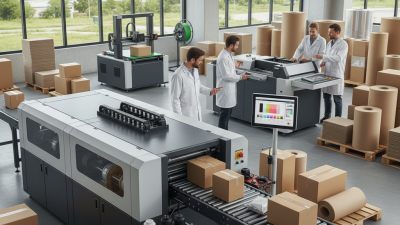
Modern printers for packaging, such as digital and inkjet technologies, have revolutionized how brands approach labeling and packaging. They offer flexibility, speed, and cost-effectiveness. However, companies often overlook the integration challenges and maintenance needs of these machines. Not every printer is suitable for all packaging types, which can lead to inefficiencies. Understanding the specifications and features of the latest printers is crucial for businesses aiming to optimize their packaging processes.
As brands prioritize sustainability, the choice of material and printer technology becomes even more significant. Sustainable printing solutions can reduce waste and improve brand image. Yet, some companies struggle to align their packaging choices with environmental standards. This complex landscape highlights the need for informed decisions when selecting a printer for packaging.
Top Features to Look for in Packaging Printers
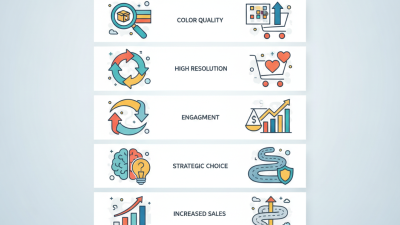
When searching for the best printers for packaging solutions, consider key features that enhance performance. High-resolution printing is essential. It ensures your designs are sharp and vibrant. Color accuracy is also crucial. Poor color schemes can misrepresent your brand. Printers with a wide color gamut can reproduce true-to-life colors.
Look for printers offering versatility. They should handle various materials, from paper to plastic. This flexibility helps meet different packaging requirements. Speed is another vital aspect. Faster printing reduces production time, boosting efficiency.
Incorporating technologies such as digital printing can streamline processes. It allows customization without the need for plates. However, not all printers are perfect. Some may struggle with thicker materials or large volumes. It’s essential to assess these limitations when selecting a printer. Strive for a balance between features and your specific needs.
Top Printers for Packaging Solutions
This bar chart illustrates the key performance metrics of various packaging printers. The dimensions used in the chart represent speed, print quality, media handling capacity, cost of operation, and user-friendly features—essential criteria for selecting packaging solutions.
Types of Packaging Printers: A Comparative Overview
When exploring packaging printers, understanding the types available can be crucial for effective decision-making. Digital printers stand out in this landscape. They offer flexibility and rapid production speeds. These printers excel at short runs, making them ideal for businesses that need quick turnarounds. However, digital printing may face challenges with color consistency over larger quantities.
On the other hand, flexographic printers dominate in high-volume production. Their speed and efficiency make them a favorite for labeling and packaging. These printers work well with various substrates, but setup costs can be high. Businesses must weigh the initial investment against long-term benefits.
Inkjet printers are another option, particularly suited for specific applications. They provide high-quality images but may lack the speed of flexographic options. As the market evolves, preferences change. It’s essential to assess needs carefully to select the right printer for packaging solutions.
Leading Brands in Packaging Solutions and Their Offerings
In the packaging industry, choosing the right printer is crucial. Leading brands have unique offerings that cater to various needs. According to a recent study by Smithers Pira, the global packaging market is projected to reach $1 trillion by 2024, highlighting the importance of innovative printing solutions.
Many companies now focus on sustainability. Eco-friendly inks and recyclable materials are trending. Some brands are innovating with digital printing technologies, allowing for customization at scale. The demand for shorter runs and faster turnaround times requires efficient solutions. Research indicates that over 70% of consumers prefer brands that engage in sustainable practices.
Despite the advancements, challenges remain. Not all printers adapt quickly to changing technologies. Some companies struggle with quality control, especially when scaling production. It’s essential for packaging providers to continuously assess their processes. Engaging with industry benchmarks can help alleviate these issues and improve overall performance.
Innovations in Packaging Print Technology for 2023
In 2023, innovations in packaging print technology are transforming the industry. The rise of digital printing has led to enhanced customization. According to a recent market report, digital packaging is projected to grow by over 12% annually. This expansion reflects a shift towards shorter production runs and unique designs. Brands are increasingly interested in bespoke packaging to enhance consumer experience.
Moreover, sustainable practices are becoming crucial in print technology. By integrating eco-friendly inks and recyclable materials, companies can meet rising consumer demand for sustainability. In fact, 75% of consumers prefer products with minimal environmental impact. However, many firms struggle to balance sustainability with cost. This presents an opportunity for improvement in the sector.
With automation and artificial intelligence, speed and efficiency are on the rise. These technologies reduce human error and increase output. Yet, companies must remain cautious. Adopting these advancements is not without challenges, especially for smaller businesses. They may find it difficult to invest in the latest technology. Thus, while the future is promising, it is essential to navigate these changes thoughtfully.
Top Printers for Packaging Solutions You Need to Know
| Printer Type |
Print Technology |
Max Resolution |
Speed (ppm) |
Features |
| Digital Inkjet Printer |
Inkjet |
1200 x 1200 dpi |
50 ppm |
High color accuracy, Variable data printing |
| Flexographic Printer |
Flexography |
300 x 300 dpi |
100 ppm |
Versatile substrates, Fast drying inks |
| Label Printer |
Thermal Transfer |
600 x 600 dpi |
80 ppm |
Compact design, High-quality labels |
| Screen Printer |
Screen Printing |
Varies |
30 ppm |
High opacity, Multi-color options |
| Offset Printer |
Offset Lithography |
2400 x 2400 dpi |
100 ppm |
Excellent print quality, Cost-effective for large volumes |
Cost Considerations When Choosing a Packaging Printer
When selecting a packaging printer, understanding cost considerations is vital. According to a recent industry report, nearly 35% of companies face budget overruns related to packaging. This can stem from poor planning or unexpected material costs. Initial quotes might be enticing, but hidden fees can inflate expenses significantly. Companies must prioritize transparent pricing to avoid such issues.
Tips: Always ask for itemized quotes. This practice helps identify potential hidden charges.
Material choice plays a pivotal role in overall costs. For instance, sustainable materials may seem pricier initially. However, studies show that almost 60% of consumers prefer brands with eco-friendly packaging. Thus, investing in sustainable options may enhance brand loyalty despite higher upfront costs.
Tips: Evaluate your target market’s preferences, as they can justify higher expenditures.
Lastly, consider production volume. Higher quantities typically yield lower unit costs. However, overestimating demand can lead to waste, impacting profit margins. It is essential to strike a balance between order size and demand.
Tips: Utilize market research to gauge demand accurately.