Top 10 Tips for Choosing the Best Paper for Box Packaging
When it comes to packaging, choosing the right materials is paramount to ensuring both the protection of your products and the impression you leave on your customers. The transition to sustainable practices has made "paper for box packaging" an increasingly popular choice among businesses looking to balance functionality with environmental responsibility. With a wide array of paper types available, making an informed decision can be overwhelming. Therefore, it is crucial to understand the various factors that influence the effectiveness of your packaging.
In this guide, we delve into the top 10 tips for selecting the best paper for box packaging. Each tip is designed to highlight the essential aspects to consider, from durability and strength to aesthetics and sustainability. By carefully evaluating these elements, businesses can tailor their packaging solutions to fit their specific needs while still appealing to environmentally conscious consumers. Ultimately, the right choice of paper not only enhances product safety during transit but also elevates brand perception in a competitive marketplace.
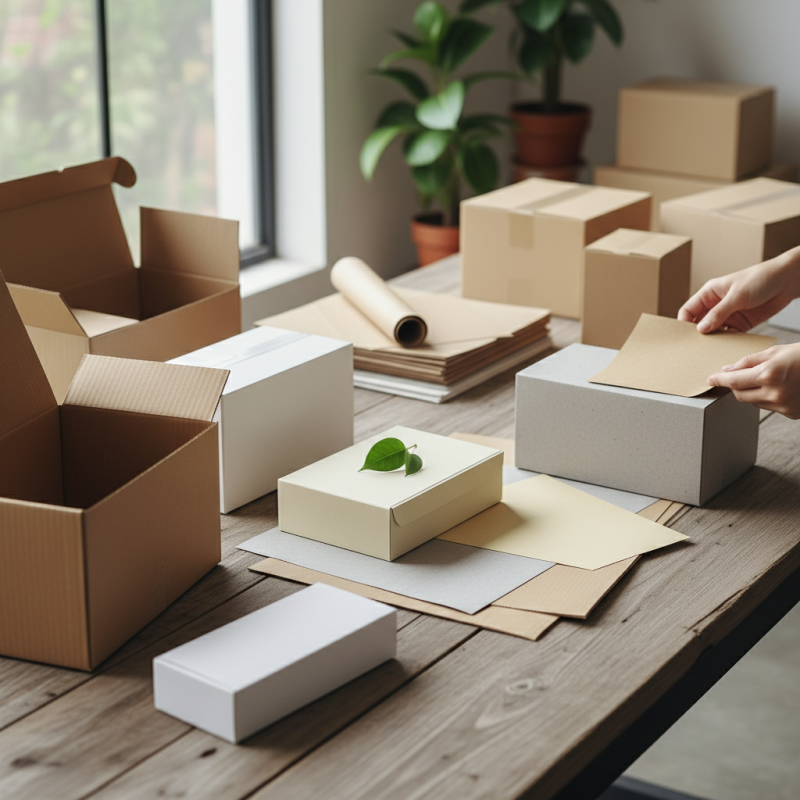
Understanding the Different Types of Paper for Box Packaging
When selecting the best paper for box packaging, it’s crucial to understand the various types available and their specific characteristics. One of the most common choices is corrugated cardboard, renowned for its strength and lightweight nature, making it ideal for shipping and storage. According to the Fibre Box Association, the corrugated packaging industry saw a growth of approximately 3.9% in 2021, reflecting its ever-increasing demand due to e-commerce and environmental considerations. This type of paper provides excellent protection for products while remaining cost-effective.
Another popular option is paperboard, which is typically used for lighter products due to its thinner structure. Paperboard is versatile and can be easily printed on, making it an excellent choice for retail packaging where branding is essential. A report by Smithers Pira states that the paperboard packaging market is projected to reach USD 300 billion by 2024, driven largely by consumer demand for sustainable and aesthetically pleasing packaging solutions. Additionally, specialty papers, such as wax-coated or moisture-resistant options, can be considered for products that require extra protection from environmental factors. Understanding these different types of paper will ensure that you choose the most suitable option for your packaging needs.
Evaluating the Weight and Thickness of Packaging Paper
When selecting paper for box packaging, evaluating the weight and thickness of the packaging paper is crucial for ensuring that the final product is durable and effective. Heavier paper typically provides greater strength and durability, making it suitable for products that require extra protection during transit. Consider the weight of the paper in relation to the contents it will hold; for instance, if you are packaging heavier items, opt for a paper with a higher basis weight to ensure it doesn't tear or break easily.
Thickness is another important factor to consider, as it influences both the visual appeal and structural integrity of the packaging. Thicker paper often reflects better quality, which can enhance your brand's image. However, it's essential to balance thickness with flexibility; overly thick paper may not fold or die-cut well. Look for paper that offers the right combination of thickness and flexibility for your specific packaging needs.
Tip: Always obtain samples of different paper weights and thicknesses to conduct tests. This hands-on approach allows you to assess how each type responds to folding, cutting, and printing, ensuring you choose the best option for your packaging requirements. Additionally, consider the environmental impact of your paper choice, opting for recyclable or sustainable options whenever possible.
Top 10 Tips for Choosing the Best Paper for Box Packaging - Evaluating the Weight and Thickness of Packaging Paper
| Tip Number |
Tip Description |
Recommended Weight (GSM) |
Recommended Thickness (Microns) |
| 1 |
Consider the product type you are packaging |
200-300 GSM |
300-400 microns |
| 2 |
Evaluate the weight of your contents |
250-400 GSM |
350-500 microns |
| 3 |
Assess the shipping distance and method |
300-500 GSM |
400-600 microns |
| 4 |
Choose eco-friendly options when possible |
150-250 GSM |
200-300 microns |
| 5 |
Verify the printing method compatibility |
180-270 GSM |
250-350 microns |
| 6 |
Test the durability against external factors |
300-400 GSM |
400-500 microns |
| 7 |
Understand the storage conditions post-delivery |
200-300 GSM |
300-450 microns |
| 8 |
Consider the appeal of the packaging |
250-350 GSM |
350-470 microns |
| 9 |
Check the availability of the paper type |
180-300 GSM |
230-330 microns |
| 10 |
Consult with a packaging expert if unsure |
Varies depending on use |
Varies depending on use |
Assessing the Environmental Impact of Paper Choices
When considering paper options for box packaging, one must prioritize the environmental impact of their choices. The production process of paper can contribute significantly to deforestation, greenhouse gas emissions, and water pollution.
Therefore, selecting paper sourced from sustainably managed forests or recycled materials can mitigate these adverse effects.
Opting for certified paper can also ensure that the raw materials are ethically sourced and that the production methods adhere to environmental standards.
Moreover, the choice of paper affects not only the ecosystem but also consumer perception. Today’s environmentally conscious consumers are increasingly favoring brands that take sustainability seriously.
Using eco-friendly packaging can enhance brand loyalty and drive purchasing decisions.
It's essential to communicate the environmental credentials of the packaging to customers, highlighting efforts such as reducing carbon footprints and supporting recycling initiatives.
As a result, the right paper choice not only aligns with environmental goals but also strengthens brand reputation in a competitive market.
Considering Cost-Effectiveness in Paper Selection
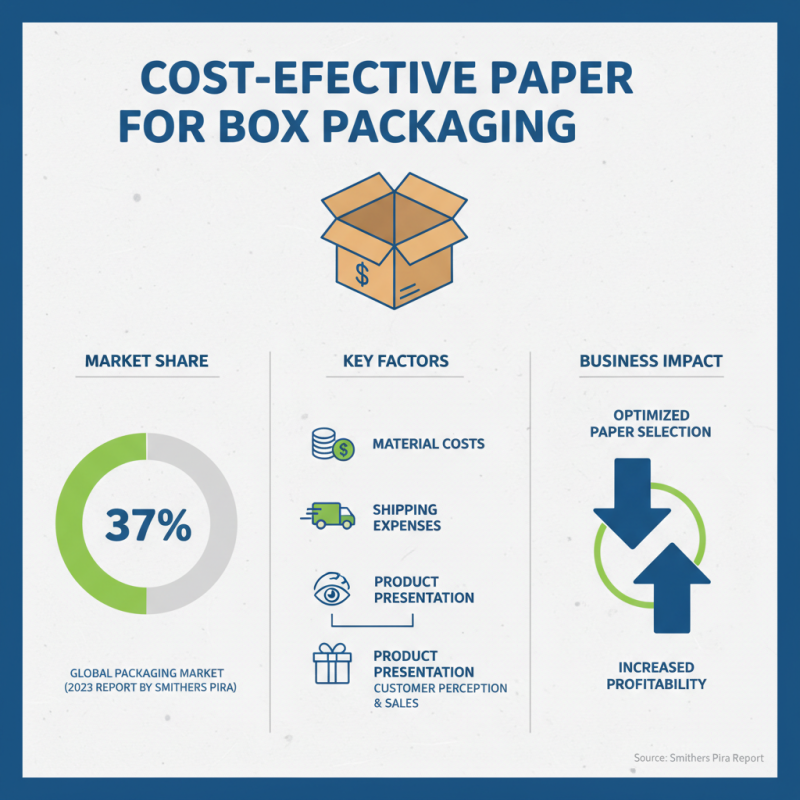
When selecting paper for box packaging, cost-effectiveness is a critical factor that can heavily influence a business's bottom line. According to a recent report by Smithers Pira, paper-based packaging continues to account for approximately 37% of the global packaging market, valued at over $400 billion. Choosing the right paper not only impacts the direct costs associated with packaging materials but also affects shipping expenses and product presentation, which can ultimately influence customer perceptions and sales.
One key aspect of cost-effectiveness in paper selection is the basis weight, which refers to the weight of a specific area of paper. Thicker papers generally provide better durability and protection for products but can significantly increase costs. For instance, a shift from a 200 gsm board to a 300 gsm board can raise packaging costs by nearly 50%. Companies must balance this with the potential costs of damaged goods and returns, which are often incurred from inadequate protection. Industry studies suggest that investing in slightly higher-quality, cost-effective paper can reduce the overall packaging damage by up to 25%, resulting in long-term savings that far outweigh the initial expenditure.
Additionally, sourcing paper from sustainable resources can contribute to cost-effectiveness by increasing a company’s market appeal while potentially reducing material costs. Research indicates that sustainable packaging can reduce overall packaging costs by as much as 10% due to efficiencies in production and waste management. Therefore, by aligning the selection of paper with both economic factors and sustainability goals, businesses can optimize their packaging strategy to achieve both profitability and environmental responsibility.
Exploring Customization Options for Box Packaging Paper
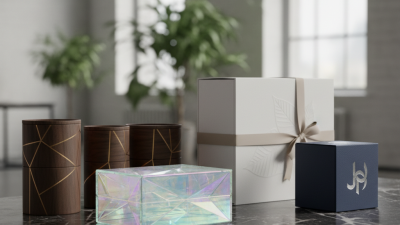
When it comes to creating packaging solutions, the choice of paper is crucial, especially for box packaging. Customization options allow brands to differentiate their products and enhance customer appeal. According to a recent report by Smithers Pira, the global market for sustainable packaging solutions is projected to reach $500 billion by 2028, reflecting a growing trend towards eco-friendly materials and customization in box packaging. Leveraging advanced printing techniques and specialty finishes, companies can create distinctive packaging that not only protects the product but also communicates the brand’s values and enhances the unboxing experience.
There are numerous customization options to consider when selecting paper for box packaging. From the weight and texture of the paper to finishes like matte, gloss, or UV coating, each choice can significantly impact the aesthetic appeal and tactile experience of the packaging. Data from the Paper and Packaging Board indicates that 72% of consumers believe packaging design influences their purchase decisions, emphasizing the importance of thoughtful customization. Additionally, options for eco-friendly papers, such as recycled or biodegradable materials, are increasingly in demand, aligning with consumer preferences for sustainability. Combining these customization elements can lead to boxes that are not only functional but also resonate with consumers on a deeper level, fostering brand loyalty.