Top 10 Tips for Creating Packaging That Boosts Sales and Attracts Customers
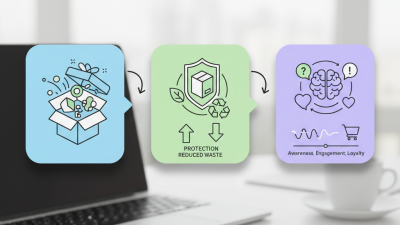
In today's competitive marketplace, creating packaging that stands out is essential for driving sales and attracting customers. Effective packaging serves not only as a protective container for your products but also as a vital marketing tool that communicates your brand's identity and values. The right packaging can capture the attention of potential buyers and influence their purchasing decisions, turning casual browsers into loyal customers.
To achieve this, it's important to consider various aspects of packaging design, including aesthetics, functionality, and sustainability. Consumers are increasingly drawn to products that reflect their personal style while also addressing concerns about the environment. Thus, creating packaging that is both visually appealing and eco-friendly can significantly enhance a product's marketability. Additionally, incorporating unique elements and innovative designs can help differentiate your product from competitors on the shelf.
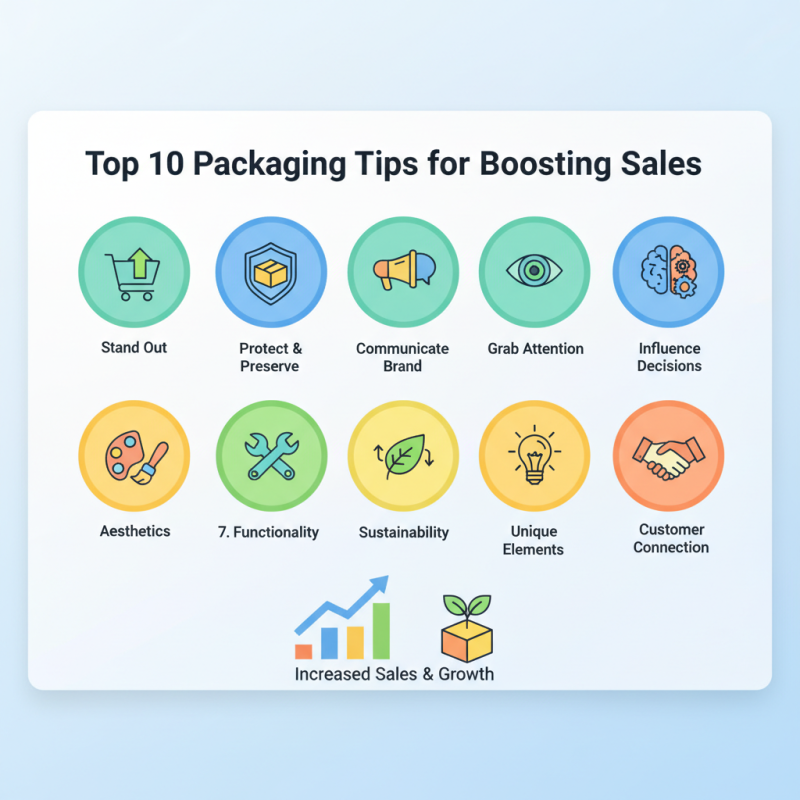
This article will explore the top 10 tips for creating packaging that not only boosts sales but also resonates with customers on a deeper level. By focusing on these strategies, businesses can effectively enhance their brand presence and build stronger connections with their target audience, ultimately leading to increased sales and business growth.
Understanding Consumer Psychology in Packaging Design
Understanding consumer psychology is crucial for effective packaging design. Packaging serves as the first point of interaction between a product and potential buyers, making it essential to create a visual and tactile experience that resonates with the target audience. Colors, shapes, and materials all play significant roles in shaping consumer perceptions and influencing their purchasing decisions. For example, research shows that colors can evoke specific emotions; blue often conveys trust and stability, while red can stimulate excitement and urgency. Leveraging these psychological triggers can enhance the desirability of a product, making it more likely to catch the eye of consumers in a competitive market.
Moreover, the design elements within packaging must align with consumer values and aspirations. Sustainable packaging that reflects eco-consciousness can appeal to environmentally aware shoppers, while designs that highlight uniqueness or nostalgia can evoke feelings of connection and warmth. Consumers are also drawn to packaging that tells a story or communicates a brand’s mission, as this builds authenticity and trust.
By understanding the emotional and cognitive processes behind purchasing decisions, designers can create packaging that not only attracts attention but also fosters loyalty and increases overall sales. Each design choice, from typography to texture, should be intentional and reflective of the target audience's preferences and motivations.
The Impact of Color Psychology on Consumer Choices
The psychology of color plays a crucial role in shaping consumer perceptions and behaviors, significantly influencing purchasing decisions. According to a study by the Institute for Color Research, up to 90% of snap judgments made about products can be based solely on color. This statistic underscores the importance of choosing the right color palette for packaging, as it not only captures attention but also conveys the brand identity and values. For instance, warm colors like red and yellow have been shown to evoke feelings of excitement and optimism, making them particularly effective for food products. In contrast, cooler shades such as blue and green can create a sense of trust and calmness, often favored in skincare and health-related items.
Moreover, a report by the Journal of Consumer Psychology reveals that colors can evoke different emotions and associations depending on cultural contexts. For example, while white symbolizes purity in many Western cultures, it can signify mourning in some Eastern cultures. This highlights the importance of understanding your target demographic when designing packaging, as inappropriate color choices could alienate potential customers. By leveraging color psychology effectively, brands can craft packaging that not only stands out on retail shelves but also aligns with consumer expectations and emotional triggers, ultimately driving sales and building brand loyalty.
Impact of Color Psychology on Consumer Choices
Utilizing Sustainable Materials to Enhance Brand Image
In today's market, the choice of packaging materials plays a crucial role in a brand's image and its appeal to customers. A growing body of evidence indicates that consumers are increasingly favoring products that utilize sustainable packaging. According to a 2021 survey by McKinsey & Company, approximately 60% of consumers reported that they would be willing to pay more for products packaged in environmentally friendly materials. This data highlights the importance of sustainability not just as a trend, but as a fundamental aspect of consumer purchasing behavior.
Utilizing sustainable materials, such as biodegradable plastics, recycled paper, and plant-based options, can significantly enhance a brand's image. Research from Nielsen states that over 66% of global consumers are willing to change their consumption habits to reduce their environmental impact. By adopting eco-friendly packaging solutions, brands not only meet the demand for sustainability but also differentiate themselves in a crowded marketplace. Furthermore, products packaged sustainably can evoke a sense of trust and loyalty among consumers, fostering a deeper connection with the brand, which is essential for long-term success in sales and customer retention.
Incorporating Clear Messaging for Immediate Brand Recognition
When creating packaging that captivates consumers, clear messaging plays a pivotal role in establishing immediate brand recognition. Packaging should convey the essence of your brand at a glance, allowing potential customers to understand what your product offers before they even pick it up. Use bold typography and concise phrases that reflect your brand’s personality and values. This ensures that even in a crowded marketplace, your product stands out with a compelling message.
A key tip for enhancing packaging effectiveness is incorporating visual cues that resonate with your target audience. Colors, images, and layout can significantly impact how your messaging is perceived. Ensure your materials and design align with the emotions you want to evoke. For instance, earth tones might resonate with eco-conscious consumers, while vibrant colors could appeal to a younger demographic. This alignment enhances recognition and fosters an emotional connection with your brand.
Additionally, consider including an engaging story or a tagline that encapsulates the brand ethos. People are naturally drawn to narratives; a captivating story on your packaging can foster loyalty and pique curiosity. Include social proof elements, such as awards or customer testimonials, to reinforce your message. By integrating powerful visuals and storytelling into your packaging, you create an unforgettable first impression that encourages customers to choose your product over competitors.
Leveraging Innovative Shapes and Designs to Stand Out on Shelves
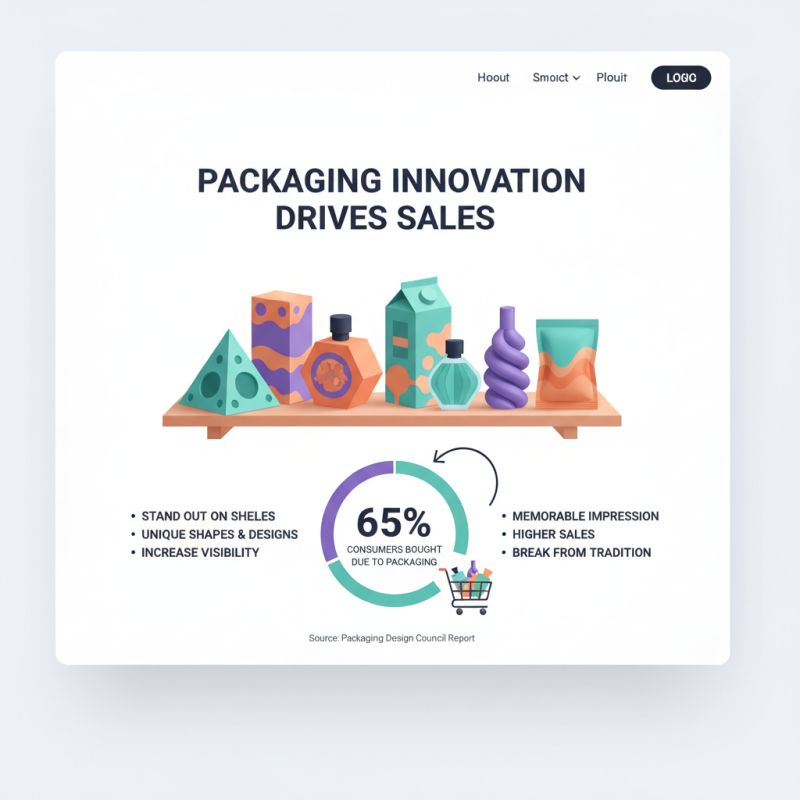
When creating packaging that attracts customers, innovative shapes and designs play a crucial role in standing out on crowded shelves. A report from the Packaging Design Council reveals that 65% of consumers say they have bought a product primarily because the packaging caught their eye. This statistic highlights the significant impact that unique designs can have on purchasing decisions. By breaking away from traditional packaging shapes, brands can increase visibility and create a memorable impression, leading to higher sales.
Leveraging creative packaging shapes not only captures attention but also enhances the consumer experience. According to a study published in the Journal of Marketing Research, products with distinctive packaging designs can command a 20% price premium compared to those with standard packaging. This suggests that innovative packaging doesn’t just attract customers; it can also enable brands to position their products as premium options. Incorporating customer feedback during the design process can further refine packaging strategies, ensuring they resonate with the target audience and reflect current design trends, ultimately fostering brand loyalty.