Top Trends in Printing and Packaging You Need to Know for 2023
As we move into 2023, the printing and packaging industry stands at a crucial juncture, driven by technological advancements and shifting consumer behaviors. Reports indicate that the global printing market is expected to reach approximately $400 billion by 2025, reflecting a CAGR of around 3% from 2020 to 2025. Similarly, the packaging sector is projected to grow significantly, with the market size expected to surpass $1 trillion by 2024, influenced by the rising demand for sustainable and innovative packaging solutions.
Emerging trends highlight the increasing integration of digital technologies into traditional printing processes, enhancing efficiency and customization capabilities. Furthermore, sustainability has become a major focus, with a growing emphasis on eco-friendly materials and practices in both printing and packaging. Industry studies suggest that over 70% of consumers are willing to pay more for products that use sustainable packaging. As brands adapt to these trends, understanding the key developments in printing and packaging will be essential for staying competitive in this rapidly evolving landscape.

Emerging Technologies Shaping the Future of Printing and Packaging
The printing and packaging industry is undergoing a revolutionary transformation fueled by emerging technologies that are redefining production processes and supply chains. Digital printing continues to make significant strides, enabling faster turnaround times and a more sustainable approach. With advancements in inkjet technology, businesses can now produce high-quality prints on demand, which reduces waste and allows for greater customization. This shift not only enhances efficiency but also meets the increasing consumer demand for personalized products.
In addition to digital innovations, sustainability has become a central focus, driving the development of eco-friendly materials and processes. Technologies such as 3D printing are finding their place in the packaging sector, allowing for the creation of complex designs that minimize material usage. Moreover, artificial intelligence and automation are optimizing supply chain management, streamlining operations, and improving inventory tracking. Together, these technologies are paving the way for a future that embraces both efficiency and environmental responsibility, setting the stage for a new era in printing and packaging.
Sustainability Trends and Their Impact on the Industry in 2023
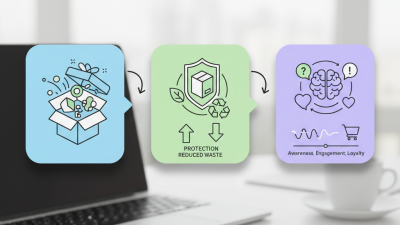
In 2023, sustainability continues to be a driving force in the printing and packaging industry. Companies are increasingly focusing on eco-friendly materials and processes to meet consumer demand for greener solutions. This shift not only reduces environmental impact but also enhances brand reputation and customer loyalty. The rise of biodegradable inks, recyclable substrates, and energy-efficient printing technologies are prominent trends that reflect this commitment to sustainability.
Tip: When selecting materials for printing and packaging, prioritize renewable resources and those that can be easily recycled or composted. This not only aligns with sustainability goals but also attracts eco-conscious consumers.
Additionally, there is a growing emphasis on reducing waste throughout the supply chain. Companies are integrating lean manufacturing principles to optimize processes and minimize excess. Innovations such as digital printing technology are allowing for shorter runs and customized batches, which help to lower inventory waste while meeting specific consumer needs.
Tip: Consider adopting just-in-time production techniques to reduce surplus inventory and ensure that each print run is aligned with current market demands. This approach supports sustainability while improving overall efficiency.
Personalization and Customization in Packaging Solutions
The increasing demand for personalization and customization in packaging solutions is reshaping the printing and packaging industry in 2023. As consumers seek unique and tailored experiences, brands are responding by offering packaging that reflects individual preferences and enhances product appeal. This trend is particularly evident in industries such as cosmetics, food, and consumer electronics, where aesthetically pleasing and personalized packaging can significantly influence purchasing decisions. Customized packaging not only creates a stronger emotional connection with customers but also allows brands to differentiate themselves in a saturated market.
Advancements in printing technologies, such as digital printing and on-demand production, have made it easier and more cost-effective for businesses to implement personalized packaging solutions. These innovations enable companies to create small batches of customized designs without incurring significant costs, encouraging experimentation and creativity. Moreover, integrating data analytics into packaging design allows brands to leverage customer insights, refining their products to better meet the desires and expectations of their target audiences. This shift towards personalization ultimately enhances brand loyalty and drives engagement, as consumers increasingly value packaging that feels relevant and unique to them.
Top Trends in Printing and Packaging You Need to Know for 2023
Shift Towards Digital Printing Methods and Their Advantages
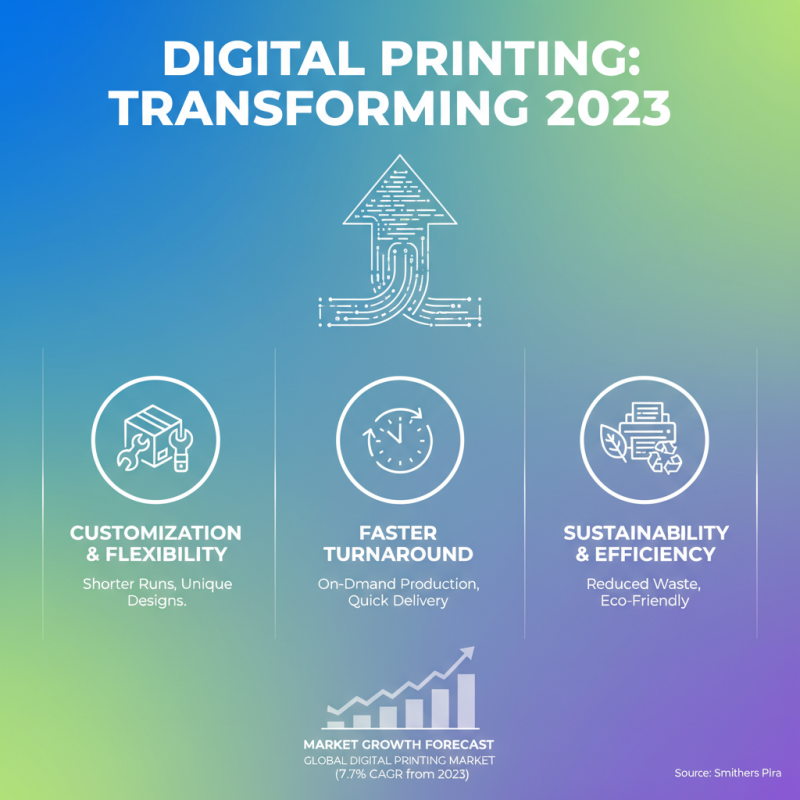
The shift towards digital printing methods is transforming the landscape of the printing and packaging industry in 2023. This transition stems from the growing demand for customization, shorter production runs, and faster turnaround times. According to a recent report by Smithers Pira, the global market for digital printing is expected to reach $27.5 billion by 2028, showcasing a compound annual growth rate (CAGR) of 7.7% from 2023. Digital printing not only offers enhanced flexibility but also minimizes waste by allowing for on-demand production, thereby aligning with sustainability goals increasingly prioritized by consumers and businesses alike.
Moreover, digital printing allows for more intricate designs and personalizations that were previously challenging or cost-prohibitive with traditional methods. Data from the Freedonia Group indicates that the demand for packaging printed by digital methods is rising, particularly in sectors like cosmetics and food, where brand differentiation is critical. The ability to print variable data means that businesses can tailor their products to specific customer demographics, enhancing marketing effectiveness while improving engagement rates.
**Tips:** To capitalize on the advantages of digital printing, businesses should consider investing in the latest digital printing technologies that enable high-quality output and quick adjustments to designs. Additionally, companies should explore partnerships with digital printing services that offer scalable solutions to meet fluctuating demand without compromising quality. Finally, focusing on eco-friendly digital printing options can further attract consumer interest and strengthen brand reputation in a market that increasingly values sustainability.
Innovations in Materials: Eco-friendly Options and Their Benefits
In recent years, the printing and packaging industry has been undergoing a significant transformation, driven by the growing consumer demand for sustainability. According to a report by Smithers Pira, the market for sustainable packaging is projected to reach $500 billion by 2027, reflecting a substantial shift toward eco-friendly materials. Innovations in materials, particularly the development of biodegradable and recyclable options, are leading this charge, as businesses seek to minimize their environmental footprint while meeting consumer expectations.
One major advancement is the use of bio-based plastics derived from renewable resources, such as corn starch and sugarcane. These materials not only reduce reliance on fossil fuels but also offer comparable performance to traditional plastics. Additionally, water-based inks and coatings are gaining popularity as they significantly lower volatile organic compound (VOC) emissions, aligning with strict environmental regulations and contributing to healthier indoor air quality. A study by the World Packaging Organisation indicated that sustainable packaging can enhance brand loyalty, with 72% of consumers stating they prefer products with minimal environmental impact. This trend underscores the vital role that eco-friendly materials now play in the packaging sector, making them a priority for businesses aiming to remain competitive in a rapidly evolving market.
Top Trends in Printing and Packaging You Need to Know for 2023 - Innovations in Materials: Eco-friendly Options and Their Benefits
| Material Type |
Eco-friendly Feature |
Benefits |
Applications |
| Recycled Paper |
Made from post-consumer waste |
Reduces landfill waste, conserves natural resources |
Packaging, Labels |
| Biodegradable Plastics |
Breaks down naturally |
Less environmental impact, suitable for composting |
Food Packaging, Shopping Bags |
| Soy-Based Inks |
Made from soybeans, non-toxic |
Lower VOC emissions, easier cleanup |
Printing, Packaging |
| Plant-Based Materials |
Derived from renewable resources |
Sustainability, reduced carbon footprint |
Containers, Bottles |
| Recycled Cardboard |
Manufactured from reclaimed fibers |
Saves trees, reduces energy consumption |
Boxes, Mailers |