Top Trends in Better Packaging Solutions for 2025 You Need to Know
In an era where sustainability and consumer awareness are at the forefront of industry trends, the demand for better packaging solutions has never been more critical. As we approach 2025, businesses are recognizing the importance of investing in innovative packaging strategies that not only meet the environmental standards but also enhance the overall consumer experience. The transition towards better packaging involves embracing materials that are sustainable, efficient, and designed with the user in mind, reflecting a holistic approach to product delivery and environmental responsibility.
The landscape of packaging is rapidly evolving, influenced by technological advancements, regulatory pressures, and the shifting preferences of consumers seeking transparency and eco-friendliness. As companies pivot towards better packaging, they are exploring new designs, biodegradable materials, and smarter logistics to minimize waste and reduce their carbon footprint. This shift is not merely a trend but a necessity for businesses aiming to thrive in a competitive market that values social responsibility and environmental stewardship.
In this article, we will delve into the top trends shaping better packaging solutions for 2025, highlighting key innovations and practices that are set to redefine the packaging industry. By understanding these trends, businesses can adapt and position themselves as leaders in sustainability, fostering a positive relationship with consumers and the planet alike.

Top Trends in Sustainable Materials for Packaging in 2025
As we move toward 2025, the packaging industry is witnessing a remarkable shift towards sustainable materials that prioritize environmental responsibility. One of the most significant trends is the increasing use of biodegradable and compostable materials, which are gaining traction as companies seek to reduce their carbon footprints. These materials, such as plant-based plastics and recycled paper, degrade naturally over time, minimizing the impact of waste on landfills and oceans.
Additionally, innovative advancements in edible packaging are emerging as a promising solution. This cutting-edge trend not only reduces waste but also offers a unique way to enhance user experience. Edible films and coatings made from natural ingredients can wrap food products, providing convenience while eliminating the need for traditional packaging. As consumer awareness of sustainability grows, the demand for such eco-friendly alternatives is expected to rise, leading to a significant rethinking of how products are packaged and presented.
Furthermore, the integration of smart packaging technologies is set to revolutionize sustainable practices. Incorporating features like moisture control and freshness indicators can extend the shelf life of products, ultimately reducing food waste. These advancements not only cater to consumer preferences for fresh and safe products but also contribute to a larger goal of creating more efficient and environmentally friendly packaging systems by 2025.
Innovations in Smart Packaging Technologies Shaping the Future
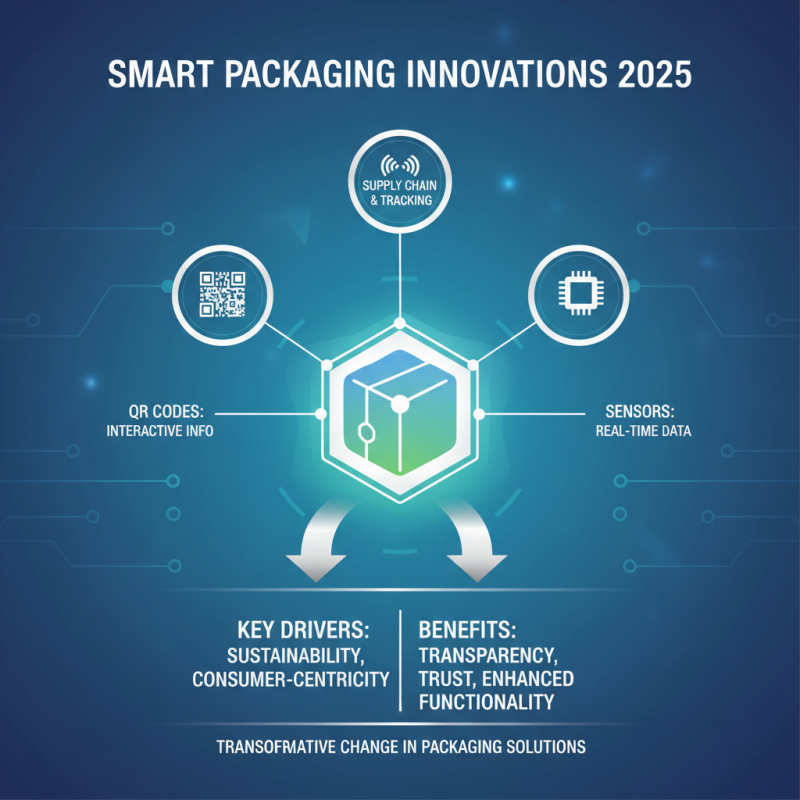
As we approach 2025, the landscape of packaging solutions is undergoing a transformative change, driven primarily by innovations in smart packaging technologies. These advancements are not just about enhancing functionality but also about creating a more sustainable and consumer-centric approach. Smart packaging encompasses a range of technologies, including QR codes, RFID tags, and sensors, which allow for interactive and informative packaging. This interaction gives consumers real-time information about products, enhancing transparency and trust.
One of the most significant trends in smart packaging is the integration of sustainability practices. With growing environmental concerns, packaging technologies are being designed to reduce waste and improve recyclability. Biodegradable materials and refillable systems are becoming more common, while innovative designs aim to minimize resource consumption during production. Moreover, intelligent packaging solutions can help track product freshness and prevent spoilage, ensuring that consumers receive high-quality goods while reducing food waste.
The rise of the Internet of Things (IoT) is further revolutionizing smart packaging. With the ability to connect to smartphones and other devices, packaging can provide consumers with personalized experiences and offers. This not only enhances engagement but also allows brands to gather valuable data on consumer behavior, enabling them to tailor products and marketing strategies more effectively. As we move further into this new era of packaging, it is clear that smart technologies will play a pivotal role in shaping a more convenient, sustainable, and informed consumer experience.
The Rise of Minimalist Packaging Designs and Their Benefits
The shift towards minimalist packaging designs is more than just a fleeting trend; it represents a profound evolution in consumer preferences and environmental consciousness. According to a recent report by the Smithers Pira, the global sustainable packaging market is projected to reach $500 billion by 2025, with minimalist designs playing a pivotal role in this transformation. By reducing material usage and focusing on essential elements, brands are not only cutting costs but also minimizing their environmental footprint. This aligns with data from a Nielsen report, which indicates that 66% of consumers are willing to pay more for sustainable brands, driving companies to rethink their packaging strategies.
Minimalist packaging offers several advantages, both for businesses and consumers. Firstly, it enhances the unboxing experience by showcasing the product itself rather than overwhelming it with excessive materials. Furthermore, studies have shown that consumers appreciate simplicity, with 74% of shoppers preferring packages that are easy to open and dispose of. Additionally, minimalist designs often result in less waste; the Environmental Protection Agency estimates that effective packaging design can cut packaging waste by up to 30%. This commitment not only appeals to eco-conscious consumers but also helps businesses comply with increasing regulations surrounding waste management, making it a win-win situation for both parties involved.
Impact of E-Commerce on Packaging Solutions and Logistics
The e-commerce boom has dramatically reshaped packaging solutions and logistics, leading to a significant shift in how companies approach their packaging strategies. According to a report by the Packaging Association, the global e-commerce packaging market is projected to reach $66.1 billion by 2025, driven by the increasing demand for sustainable and efficient packaging solutions. As online shopping continues to grow, businesses are identifying the need for packaging that not only protects products but also enhances the customer experience. This means integrating features like easy-open designs and reusable materials into their packaging.
Additionally, the logistics of e-commerce have necessitated changes in packaging solutions to optimize supply chain efficiency. A study by the Institute of Packaging Professionals reveals that nearly 60% of online retailers have adjusted their packaging to reduce shipping costs. Lightweight and compact designs are becoming paramount, as they minimize transit costs and resource use, aligning with sustainability goals. As companies seek to streamline their operations, innovations such as biodegradable materials and smart packaging that provides real-time tracking are also gaining traction, offering an array of benefits that meet both consumer demands and regulatory requirements.
Regulatory Changes Driving Eco-Friendly Practices in Packaging
The landscape of packaging solutions is undergoing a significant transformation, largely driven by regulatory changes aimed at promoting eco-friendly practices. As outlined in the latest report by the Global Packaging Association, over 40% of countries are implementing stricter regulations on plastic packaging, demanding manufacturers to reduce their environmental footprints. These regulations are not only fostering innovation but also necessitating a shift towards biodegradable materials, sustainable sourcing, and reduced carbon emissions in the production processes.
The European Union's Green Deal, for instance, aims to make all packaging recyclable or reusable by 2030. This initiative has spurred companies to rethink their packaging strategies, leading to an increase in the adoption of alternative materials such as plant-based plastics and recycled paper. According to a survey by Smithers Pira, 60% of packaging professionals expect that the demand for sustainable packaging will increase substantially over the next three years, reflecting a growing consumer preference for environmentally responsible products. These regulatory frameworks and shifting market dynamics are propelling the packaging industry toward innovative solutions that not only meet compliance but also resonate with environmentally-conscious consumers.
Top Trends in Better Packaging Solutions for 2025