



Why Are Boxes and Packaging Important for Global Buyers?
For global buyers, boxes and packaging are more than containers. They protect products during long journeys, warehouse handling, and repeated transfers. A crushed corner can damage a product’s value before the customer opens it. Moisture, vibration, heat, and incorrect stacking create similar risks. Experienced purchasing teams therefore examine packaging strength, dimensions, closure methods, and material quality before approving an order.
Packaging also communicates trust across markets. Clear labels, consistent colors, readable instructions, and accurate product information help buyers make confident decisions. Packaging should support responsible material choices and meet the destination market’s applicable requirements. A professional supplier can provide test records, material details, sample approvals, and traceable production information. These details reduce uncertainty. They also reveal whether a supplier understands real distribution conditions.
Jonathan Ive, a highly respected product and packaging design authority, once said, “Packaging can be theater, it can create a story.” His point remains practical. A well-designed box creates anticipation while protecting what is inside. However, attractive design alone is not enough. A beautiful carton that tears in humid storage has failed its purpose. This is where many buyers need to reflect. We sometimes focus on printing, color, and price before testing durability. That order may be wrong. The best boxes and packaging balance protection, presentation, efficiency, and responsible sourcing. Small details matter, such as reinforced corners, compact dimensions, and easy opening. They can influence shipping costs, customer satisfaction, and repeat purchases. No packaging solution is perfect. Careful testing, honest supplier communication, and continuous improvement make it more reliable.
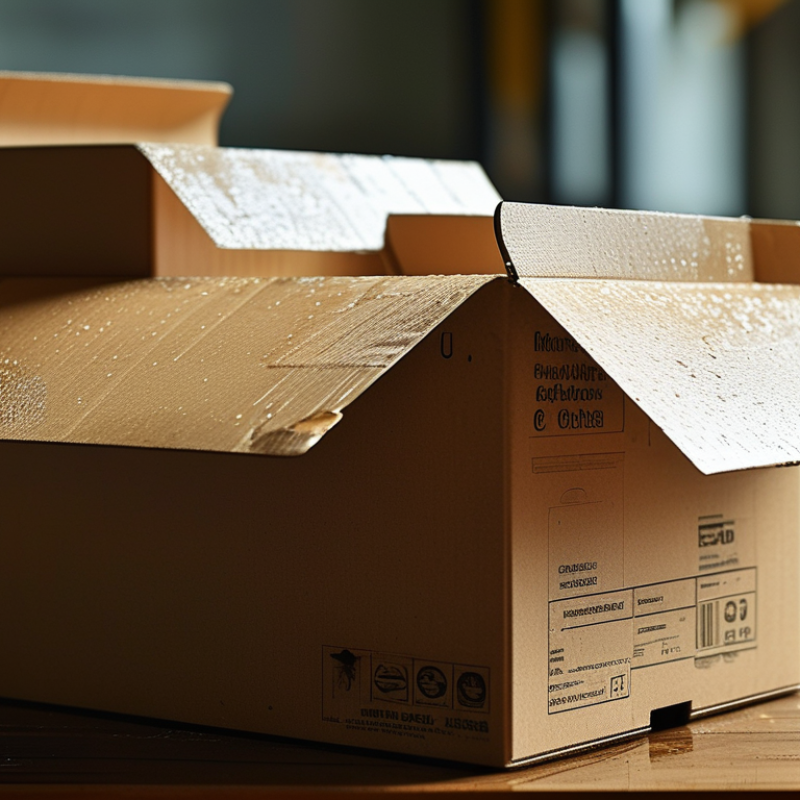
Table of Contents
[Hide]
Packaging’s Global Role: 188.7 kg of Waste per EU Resident in 2021 (Eurostat)
Why Are Boxes and Packaging Important for Global Buyers?
Packaging’s Global Role: 188.7 kg of Waste per EU Resident in 2021 (Eurostat)
For global buyers, packaging is more than a protective shell. It controls damage, handling efficiency, storage space, and customer trust. Eurostat reported 188.7 kilograms of packaging waste per EU resident in 2021. The total reached approximately 84.3 million tonnes. That figure makes every carton, insert, and film layer worth closer examination.
A practical packing review often reveals wasted space. A small product may travel inside a large box with thick fillers. This increases transport volume and material use. Stronger packaging can reduce breakage, however. The real goal is not simply less material. It is the right material, used precisely. Eurostat also recorded paper and cardboard as the largest packaging waste category in 2021. These materials are useful, but recovery depends on clean separation and local systems.
The OECD’s Global Plastics Outlook reported 353 million tonnes of plastic waste worldwide in 2019. Packaging represented the largest end-use sector, at about 40 percent. This shows why packaging decisions affect global waste patterns. Buyers should request tested dimensions, material specifications, and damage-rate records. They should also question unnecessary layers. That step is easy to miss. Packaging may protect one shipment while creating a longer waste problem. Better design needs evidence, not attractive claims.
Why Are Boxes and Packaging Important for Global Buyers? - Packaging’s Global Role: 188.7 kg of Waste per EU Resident in 2021 (Eurostat)
| Data Dimension | EU-27 Value | Year / Scope | Relevance for Global Buyers |
|---|---|---|---|
| Packaging waste generated per resident | 188.7 kg per resident | 2021 EU-27 |
Packaging design directly affects material consumption, shipping efficiency, storage space and end-of-life waste. |
| Change in packaging waste per resident | +10.8 kg compared with 2020 | 2020–2021 EU-27 |
Reducing unnecessary layers, empty space and oversized cartons can help control packaging growth. |
| Long-term increase in packaging waste | +35.3 kg per resident compared with 2011 | 2011–2021 EU-27 |
International procurement teams increasingly need packaging specifications that support material reduction and circularity goals. |
| Packaging waste recycled | 64.0% | 2021 EU-27 |
Materials that are widely recyclable can simplify waste handling and support buyer sustainability requirements. |
| Packaging waste recovered | 80.5% | 2021 EU-27 |
Packaging should be designed for practical recovery, including recycling and other approved recovery operations. |
| Paper and cardboard packaging share | Approximately 40% | 2021 EU-27 |
Paper-based boxes remain important for transport packaging, but design should balance strength, weight and recyclability. |
| Plastic packaging share | Approximately 19% | 2021 EU-27 |
Reducing unnecessary plastic components and avoiding difficult-to-separate combinations can improve end-of-life management. |
| Glass packaging share | Approximately 19% | 2021 EU-27 |
Protective packaging is especially important because breakage can create product loss, safety risks and additional transport emissions. |
| Wood packaging share | Approximately 16% | 2021 EU-27 |
Wooden pallets, crates and cases must be selected with durability, reuse potential and international transport requirements in mind. |
Source: Eurostat, “Packaging waste by waste management operations” and “Packaging waste per capita” statistics for the EU-27. Material shares are rounded estimates for 2021.
Related Posts
-

10 Essential Tips for Effective Marketing Boxes Packaging Design?
-
Why Is Folding Carton Packaging Essential for Modern Businesses?
-
How to Choose Sustainable Environmental Packaging Solutions?
-
Top 10 Benefits of Green Packaging for Global Buyers?
-

2026 Best Rigid Box Packaging Solutions for Global Buyers?
-
What is Card Box Packaging and Why is it Important?