2026 Best Ways to Make Packaging More Sustainable?
In recent years, the urgency to make packaging more sustainable has intensified. Consumers are increasingly aware of the environmental impact of packaging waste. This shift in mindset calls for innovative solutions that prioritize sustainability.
To make packaging more eco-friendly, companies must explore various strategies. Sustainable materials, such as biodegradable plastics and recycled paper, are gaining traction. However, the challenge lies in balancing functionality and environmental responsibility. Some designs may be beautiful but impractical, leading to waste.
Furthermore, collaboration within industries can enhance sustainable practices. By sharing knowledge and resources, companies can develop more effective solutions. The journey to make packaging more sustainable is ongoing and requires constant reflection on our choices. Each step counts, but we must continually evaluate our progress.
Innovative Materials for Sustainable Packaging Solutions
Innovative materials are transforming the landscape of sustainable packaging. A recent report by Smithers Pira predicts that the market for sustainable packaging will reach $500 billion by 2026. This surge indicates a critical shift toward materials that reduce environmental impact. For instance, biodegradable plastics and compostable materials are becoming more prevalent. These alternatives can significantly decrease landfill waste.
Pulp-based packaging is emerging as another game changer. Made from renewable resources, it offers a sustainable option without sacrificing durability. A study from the Sustainable Packaging Coalition highlights that using pulp can save up to 45% in carbon emissions compared to conventional packaging. However, challenges remain. The cost of these innovative materials can be a barrier for many companies. Balancing sustainability with affordability is essential for broader adoption.
Recyclable materials are also gaining traction. According to a recent survey, 63% of consumers prefer products with recyclable packaging. Yet, only 9% of plastics are actually recycled globally. This disconnect shows the need for better recycling systems and consumer education. The industry must reflect on these gaps to improve sustainability outcomes. As we push towards a greener future, evaluating these innovative materials is vital.
Reducing Environmental Impact through Design Optimization
Packaging plays a crucial role in environmental sustainability. Design optimization is a key factor. Sustainable packaging reduces waste and conserves resources. According to a report by McKinsey, improving packaging design could cut materials usage by 20% in many industries. This reduction minimizes carbon footprints significantly.
Material selection is another important aspect. Biodegradable materials can replace traditional plastics. A study from the Ellen MacArthur Foundation highlights that using recyclable materials could prevent 95% of marine pollution from plastic packaging. However, not all companies prioritize these shifts. Some still rely on conventional materials. This reliance poses challenges for overall sustainability goals.
Consumer awareness is rising, yet the industry faces hurdles. Many companies struggle with balancing cost and sustainability. Industry reports indicate that over 60% of consumers prefer eco-friendly packaging. However, only a fraction of brands offer it. This gap requires reflection and innovation in design processes. Ultimately, commitment to sustainability in packaging must become a priority for the entire industry.
2026 Best Ways to Make Packaging More Sustainable
This chart illustrates the effectiveness of various strategies for enhancing the sustainability of packaging. The data reflects the estimated percentage reduction in environmental impact associated with each method.
Implementing Recycling and Reuse Strategies in Packaging
Implementing recycling and reuse strategies is pivotal in creating sustainable packaging solutions. Recent reports indicate that nearly 70% of packaging is recyclable, yet only 9% actually gets recycled globally. This disparity highlights the need for more effective recycling systems and consumer education. By optimizing designs for recyclability, companies can significantly reduce waste. For example, using single-material packaging can enhance recycling rates.
Moreover, encouraging consumers to reuse packaging is a compelling approach. Research shows that reusable packaging can eliminate a substantial amount of waste. Brands can incentivize customers to return packaging for reuse, thus promoting a circular economy. However, challenges remain in logistics and consumer behavior. Many consumers lack awareness or motivation to participate. Investing in clear labels and robust return systems can help bridge this gap.
While these strategies promise substantial benefits, they also require critical reflection. Many companies struggle with the cost of implementing sustainable practices. Balancing cost-efficiency with environmental impact demands innovative thinking. Industry leaders must assess their packaging lifecycle and seek collaborative solutions. This ongoing evaluation is essential for progress in packaging sustainability.
Emerging Technologies for Eco-Friendly Packaging Production
Emerging technologies are transforming the world of eco-friendly packaging. Biodegradable materials are gaining traction. These materials break down naturally, reducing landfill waste. New innovations include plant-based polymers and compostable films. They provide a viable alternative to traditional plastics.
3D printing is also making waves. This technology allows for personalized packaging designs while minimizing excess material. It enables companies to produce what they need, reducing waste in the process. Moreover, digital printing technology reduces ink consumption and energy use. These advancements offer significant benefits for sustainability.
However, not every technology is perfect. Some biodegradable options may still require specific conditions to decompose. This leads to questions about their effectiveness in real-world scenarios. Further research is needed to understand the long-term impacts. As the industry evolves, a thoughtful approach is essential. Balancing innovation with practicality poses ongoing challenges.
Consumer Engagement and Education in Sustainable Packaging Choices
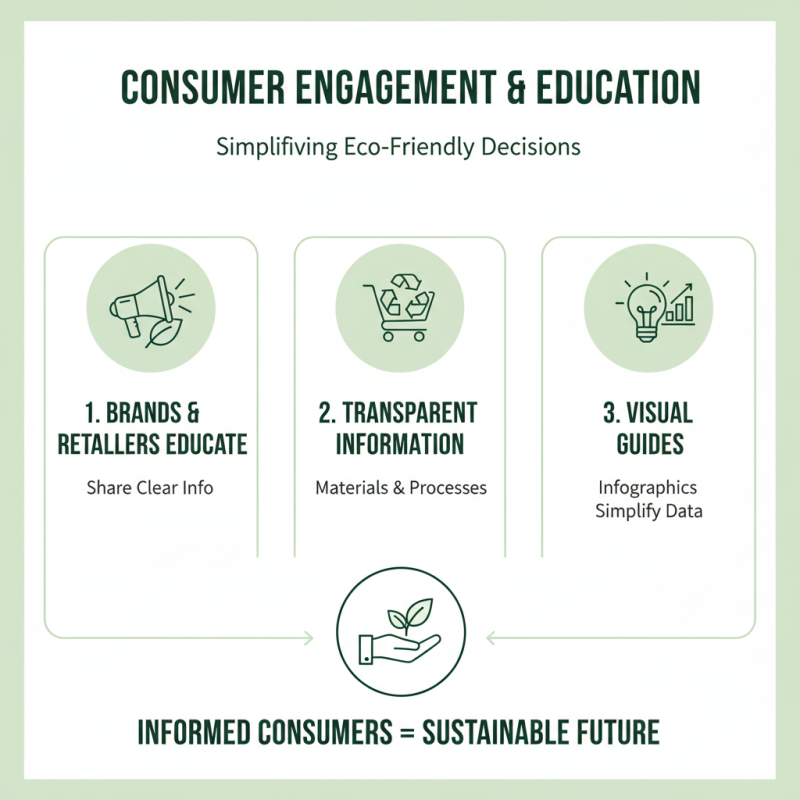
Consumer engagement is crucial for promoting sustainable packaging choices. The responsibility to educate consumers often falls on brands and retailers. They must share clear information about materials and processes used in packaging. Visual aids, like infographics, can simplify complex data. This can help consumers make informed decisions.
Interactive campaigns may encourage consumers to participate in sustainability initiatives. For instance, workshops about recycling and waste management can foster a sense of community. However, not all consumers are receptive. Some may view sustainability as an inconvenience. It’s essential to address these concerns and provide practical solutions.
Transparency in packaging is necessary for building trust. Labels should clearly state the environmental impact of materials. Unfortunately, many labels are confusing. Simplifying language can enhance consumer understanding. Educating consumers on what makes packaging sustainable is a continuous process. Frequent updates and engagement can keep interest alive. This journey requires both commitment and patience from all parties involved.