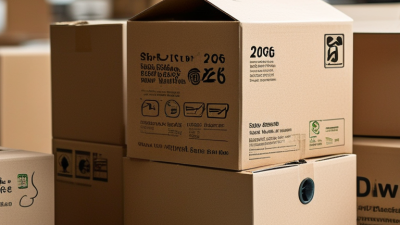

China Best Card Packaging Manufacturers for Global Buyers

Choosing the right China best card packaging manufacturers can shape how customers perceive your product before opening it. Packaging is not merely a protective layer. It communicates quality, brand personality, and attention to detail. For global buyers, reliable sourcing requires more than comparing factory prices. It requires reviewing materials, printing accuracy, structural design, production control, and export experience.

Experienced manufacturers usually offer practical solutions for retail cards, gift cards, game cards, membership cards, and promotional products. They may provide rigid boxes, folding cartons, sleeves, trays, or custom inserts. A sample can reveal more than a sales presentation. Examine its corner strength, surface finish, color consistency, and opening experience. Small details matter. A smooth drawer box feels different from a thin folding carton. Spot UV may highlight a logo, while matte lamination can create a softer appearance.

Trust still needs evidence. Buyers should request factory profiles, material specifications, sample approvals, quality inspection records, and clear production timelines. Communication also deserves close attention. Do suppliers answer technical questions directly? Do they explain limitations honestly? Sometimes, the first sample is not perfect. That is normal, but repeated errors deserve careful review. Strong China card packaging manufacturers usually support revisions and document agreed standards before mass production.

This guide explores suppliers that serve international buyers with dependable manufacturing capabilities and flexible customization. It considers design support, material choices, finishing options, quality assurance, order quantities, and delivery coordination. The goal is not to praise every manufacturer. It is to help buyers compare practical strengths, recognize possible weaknesses, and choose card packaging that protects the product while strengthening its market presence.
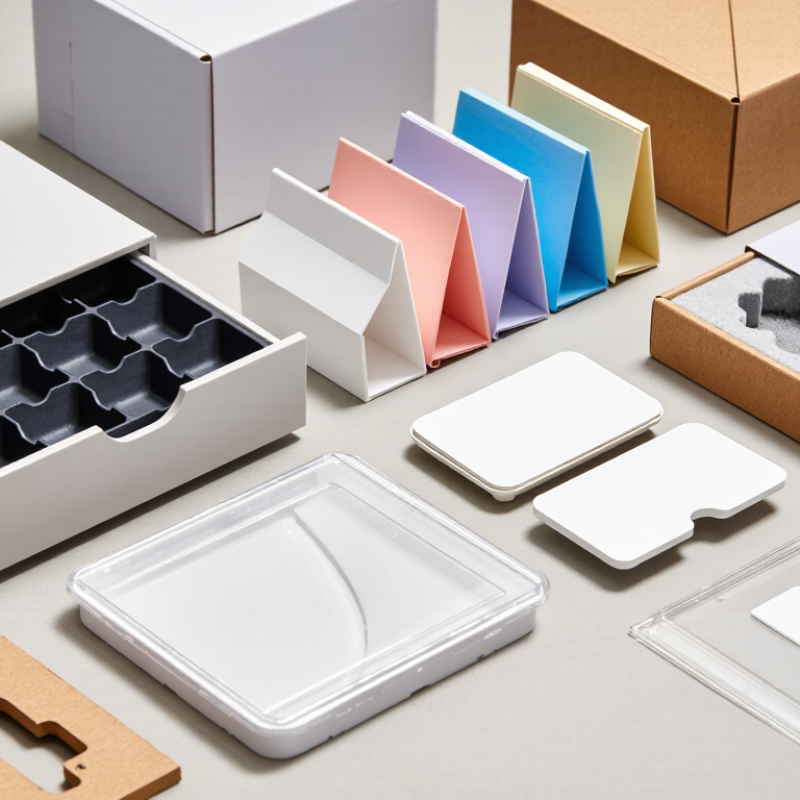
China Best Card Packaging Manufacturers for Global Buyers

Types of Card Packaging Manufacturers in China

China Best Card Packaging Manufacturers for Global Buyers

China’s card packaging manufacturers serve different production needs. Some focus on standard tuck boxes for playing cards and educational decks. Others produce rigid boxes for premium card sets, using wrapped paperboard, magnetic closures, and molded inserts. Their equipment and quality controls can vary widely.

Custom packaging factories handle artwork, structural design, sampling, printing, and assembly under one roof. They suit buyers needing unusual sizes, spot finishes, or small trial orders. High-volume plants offer faster automated folding and stable unit costs. Smaller workshops may provide closer communication, but their capacity can be limited. From experience, a low quote often hides setup fees, packing labor, or stricter minimum quantities. No supplier is perfect. That deserves honest checking.

Tips: Request a physical prototype before mass production. Confirm board thickness, card fit, color tolerance, and closure strength. Ask for production photos and inspection records. A reliable manufacturer should explain material sources, lead times, carton testing, and export documents clearly. Check whether the factory can repeat the approved sample, not merely produce one attractive prototype. Independent inspection can help when order value is high. Small errors matter. A loose lid, crushed corner, or weak insert can damage the buyer’s experience. Recheck every measurement before approval.

China Card Packaging Manufacturers: Standard Card Format Reference

Standard card dimensions help global buyers select suitable packaging formats, internal clearances, and production specifications.

Dimensions are based on ISO/IEC 7810 identification-card formats and are shown in millimetres. Packaging should include additional clearance for protective films, inserts, and manufacturing tolerances.

Key Manufacturing Processes for Card Packaging

China Best Card Packaging Manufacturers for Global Buyers

Key manufacturing processes determine whether card packaging feels premium, protects the product, and survives international shipping. Smithers’ 2024 folding-carton market report values the global sector at approximately US$145 billion in 2023. That scale demands disciplined production, not attractive samples alone.

The process begins with board selection. Manufacturers compare paperboard thickness, stiffness, coating, and moisture resistance. FAO’s 2023 forestry statistics recorded more than 400 million tonnes of global paper and paperboard production. Still, high volume does not guarantee consistent quality. Prepress teams check color profiles, barcodes, and folding tolerances before offset or digital printing. Ink density must remain stable across large batches. Small errors become obvious on dark backgrounds.

Die-cutting creates windows, slots, and precise edges. Folding and gluing then shape the final carton without crushing corners. Experienced factories inspect glue strength, panel alignment, surface scuffing, and compression resistance. Sampling plans can follow ISO 2859-1 principles, while drop and vibration tests imitate export handling. A recurring weakness is over-reliance on visual inspection. It misses hidden warping and weak adhesive bonds. Better facilities combine calibrated instruments with trained operators, though no process is perfectly immune to humidity, setup changes, or rushed approvals.

How to Evaluate Chinese Card Packaging Suppliers

Choosing a Chinese card packaging supplier requires more than comparing prices. A reliable evaluation begins with production evidence, clear specifications, and direct communication. Request recent photos, factory videos, and a physical sample matching your card size. Check paper thickness, coating, color accuracy, folding precision, and glue strength. Small defects often appear near corners and magnetic closures.

Ask how the supplier manages quality control. A professional team should provide inspection standards, pre-production approvals, and a documented correction process. Confirm the factory’s monthly capacity, minimum order quantity, realistic lead time, and backup plans for material shortages. Certificates can support credibility, but verify their validity and issuing organization. Paper sourcing claims also deserve careful checking.

Communication reveals practical reliability. Send the same technical brief to several suppliers, then compare their questions and production suggestions. Suppliers who identify weak artwork files or tight tolerances may understand packaging better. Do not trust unusually low quotations without a detailed cost breakdown. A polished sample can still hide inconsistent mass production. This is where many buyers misjudge risk. Consider a small trial order, independent inspection, and written approval for every critical detail. Payment terms, export documents, packaging protection, and after-sales response should be agreed before production begins. Even experienced buyers sometimes overlook inner protection during shipping. That mistake can damage excellent packaging.

Quality Standards and Customization Options

For global buyers, card packaging quality begins with measurable controls, not attractive samples. Experienced Chinese manufacturers should document board grade, thickness, moisture resistance, and compression strength. ISO 9001 systems help control these variables across repeated orders. ISO’s 2023 survey recorded more than one million ISO 9001 certificates worldwide, showing how widely quality management is used.

Testing should match the product and shipping route. Buyers can request color proofs, barcode verification, rub resistance tests, and carton compression results. ISO 2859-1 sampling plans provide a practical structure for inspecting print defects and assembly errors. FSC’s 2023 facts report covered more than 160 million certified forest hectares, making traceable paper sourcing a realistic customization requirement. It is not merely a marketing detail.

Customization may include paper weight, soft-touch or aqueous coating, window placement, magnetic closures, and molded inserts. A useful supplier shares dielines before tooling begins. Small changes matter. A two-millimeter adjustment can prevent product movement inside the box. However, customization sometimes creates waste, longer lead times, or weak folding points. Buyers should challenge unnecessary finishes and approve a physical prototype. Digital samples look precise. They can still hide cracking, color variation, or poor fit under factory lighting.

Export, Pricing, and Order Considerations for Global Buyers

Choosing a reliable card packaging manufacturer in China requires more than comparing online prices. Export experience matters. Ask for recent sample photos, carton dimensions, loading plans, and shipping records. A capable supplier should explain Incoterms, production lead times, and required export documents clearly. Request a physical sample before approving mass production. Small details matter, such as edge protection, moisture control, and barcode placement.

Pricing should be transparent. Request a written quote separating materials, printing, finishing, tooling, packing, and freight. Confirm the minimum order quantity and quote validity period. A lower unit price may hide expensive setup fees or weak materials. Ask how currency changes affect the final payment. Compare total landed cost, not only the factory price. This is often overlooked.

Order control protects both sides. Approve artwork proofs, color references, dimensions, and acceptable tolerances in writing. For large orders, use a pre-production sample and an independent inspection before shipment. Confirm the payment schedule, replacement policy, and delivery window. Leave room for seasonal delays. Suppliers may promise quickly, but production capacity can change. A practical mistake is trusting a polished quotation without checking its assumptions. Clear records, staged approvals, and direct communication create more reliable export orders.

China Best Card Packaging Manufacturers for Global Buyers - Export, Pricing, and Order Considerations for Global Buyers

Practical comparison of common card packaging formats supplied from China. Prices and lead times are indicative export-market ranges and should be confirmed through a product specification, approved artwork, sample, and formal quotation.

Packaging Format Typical Materials Common Card Capacity Indicative Export Price* Typical MOQ Estimated Production Lead Time Customization Options Best Suited For Key Export and Order Considerations
Folding Cardboard Sleeve Folding boxboard, coated paper, or recycled paperboard 1–10 standard-size cards US$0.03–0.15 per piece 1,000–5,000 pieces 10–18 working days after artwork approval Offset printing, matte or gloss coating, spot varnish, foil stamping, embossing, die-cut windows Trading cards, greeting cards, promotional cards, and small retail packs Confirm paper thickness, folding direction, glue points, flat-packed dimensions, and carton compression requirements.
Rigid Two-Piece Card Box Greyboard wrapped with printed paper 20–100 cards US$0.35–1.80 per piece 500–2,000 pieces 18–30 working days after sample approval Paper wrapping, foil details, magnetic closure, ribbon pull, inserts, spot UV, textured paper Premium card sets, collector editions, gift products, and luxury stationery Request a pre-production sample to check lid fit, wall thickness, corner quality, and internal clearance.
Tuck-End Cardboard Box White or kraft folding carton board 10–80 cards US$0.08–0.45 per piece 1,000–5,000 pieces 12–20 working days after artwork approval Custom die-cutting, window film, internal dividers, varnish, foil stamping, and printed interiors Retail card decks, educational cards, game cards, and subscription products Check whether the selected board is suitable for the required folding, stacking, and retail shelf conditions.
Drawer-Style Card Box Rigid board with a sliding inner tray and paper wrap 30–150 cards US$0.55–2.50 per piece 500–2,000 pieces 20–32 working days after sample approval Ribbon pull, thumb notch, foam or paper insert, foil stamping, embossing, and custom tray layout Premium decks, commemorative cards, wedding stationery, and gift packaging Allow extra time for structural sampling and verify that the tray slides smoothly after shipment and humidity exposure.
Plastic Card Case PP, PET, PVC, or other specified plastic materials 1–30 cards US$0.08–0.60 per piece 1,000–10,000 pieces 18–35 working days after tooling or sample approval Transparent, frosted, colored, printed, hinged, snap-fit, or custom-molded construction Membership cards, access cards, game cards, travel cards, and moisture-sensitive products Confirm material compliance, recyclability requirements, hinge durability, mold ownership, and applicable destination regulations.
Paperboard Wallet or Envelope Kraft paper, uncoated paper, or coated paperboard 1–20 cards US$0.02–0.18 per piece 2,000–10,000 pieces 10–18 working days after artwork approval Custom pockets, adhesive closure, printed patterns, rounded corners, die-cut shapes, and recycled content Event cards, certificates, invitations, sample cards, and low-cost promotional packaging Specify paper grain, pocket tolerance, adhesive type, recyclability claims, and whether packaging must be shipped flat.
Metal Tin Card Box Tinplate steel with printed or coated surface 20–100 cards US$0.45–2.20 per piece 1,000–5,000 pieces 30–50 working days after artwork and sample approval Custom shape, embossed lid, spot color printing, matte coating, gloss coating, and internal tray Durable collector products, travel games, premium card sets, and long-term storage Metal tooling, color matching, edge safety, rust prevention, and higher shipping weight should be included in the cost review.
Cardboard Display Box Corrugated board, folding carton board, or laminated paperboard Multiple packs or 50–500 loose cards US$0.20–1.50 per piece 500–3,000 pieces 15–28 working days after structural sample approval Counter display, shelf-ready format, perforated tear-away panel, dividers, and printed graphics Retail launches, point-of-sale campaigns, wholesale cartons, and promotional distribution Test display stability, stacking strength, pallet configuration, and retail-ready opening before mass production.

*Indicative prices generally refer to standard packaging quantities and do not necessarily include artwork setup, tooling, sampling, inserts, special finishes, inland delivery, international freight, customs duties, taxes, or destination charges. For export orders, buyers should confirm Incoterms, packaging dimensions, gross weight, carton quantity, HS classification, required certificates, inspection standards, payment terms, and shipping schedule before placing an order.