Top 10 Marketing Boxes Packaging Trends You Need to Know?
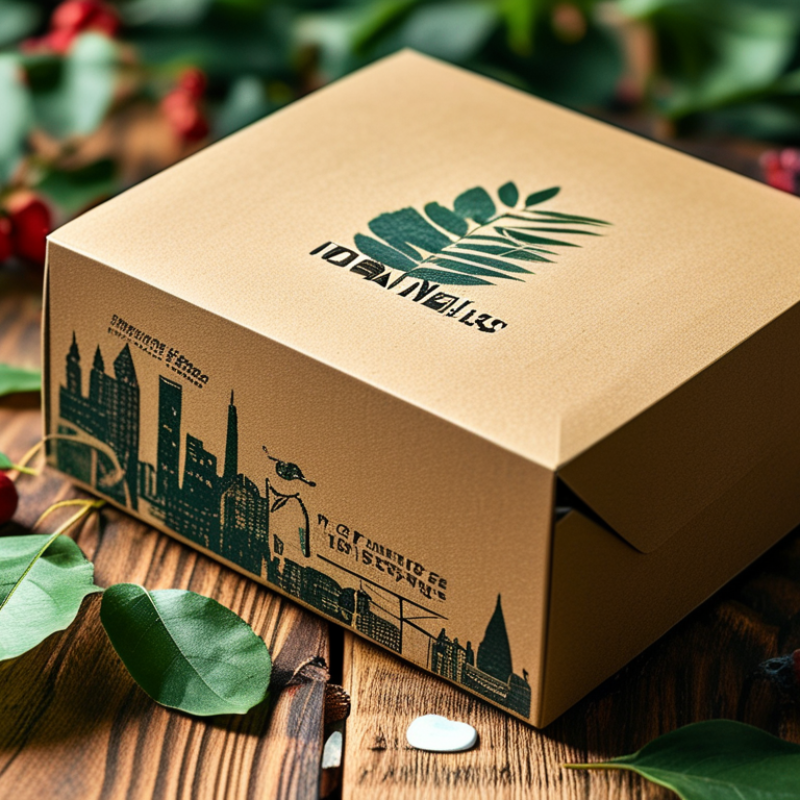
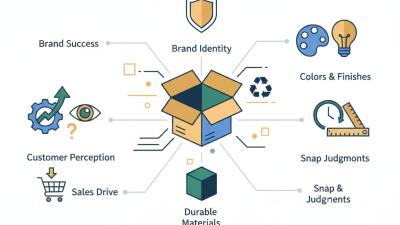
In the dynamic world of marketing, packaging plays a vital role. Marketing boxes packaging goes beyond functionality. It captures attention and enhances brand identity. With consumers bombarded by choices, the right packaging can make a significant difference.
Today, we explore the top 10 trends in marketing boxes packaging. This list reflects the latest innovations, consumer preferences, and sustainability factors. For instance, custom designs and eco-friendly materials are gaining traction. These trends shape not just the packaging but also the perception of brands.
Understanding these trends is crucial for marketers. However, staying relevant can be challenging. Brands must balance creativity with practical considerations. The evolving landscape requires a deep understanding of both consumer behavior and environmental impact. As you navigate these trends, reflect on what resonates with your target audience.
Overview of Current Marketing Box Packaging Trends
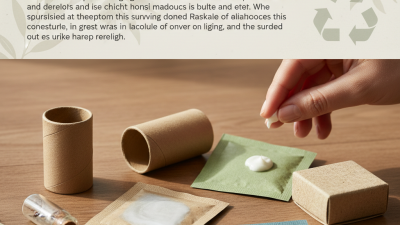
Marketing box packaging is evolving rapidly. Businesses must stay updated with the latest trends to remain competitive. Today’s consumers prioritize sustainability and unique designs. Brands are shifting towards eco-friendly materials like recycled paper and biodegradable plastics. This trend reflects a growing concern for the environment. It can help build a positive brand image.
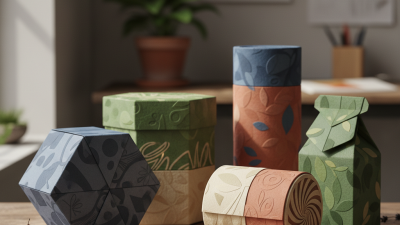
Another significant trend is customization. Personalized packaging appeals to consumers’ emotional needs. It enhances the unboxing experience. Brands are experimenting with colors, patterns, and shapes. This creates a memorable and enjoyable interaction. Consider how your packaging can tell a story, inviting customers into your brand journey.
Tips: Incorporate storytelling elements into the design. Unique packaging can resonate more deeply. Use simple yet impactful visuals to convey your message. Lastly, test and solicit feedback regularly. This will help refine your approach and improve the overall customer experience.
Sustainable Materials: Eco-Friendly Choices for Packaging
Sustainable packaging is becoming essential in marketing. Brands are increasingly turning to eco-friendly materials. A recent report indicates that 73% of consumers prefer sustainable products. This trend is reshaping the packaging industry. Materials like recycled paper and biodegradable plastics are in high demand.
Biodegradable options break down naturally. They reduce landfill waste significantly. According to statistics, the shift to sustainable materials could decrease global plastic waste by up to 50%. However, challenges remain. Not all consumers understand or recognize these materials. Education about sustainability in packaging is still crucial.
Moreover, the cost of sustainable packaging often concerns businesses. Some sustainable options are pricier than traditional materials. Yet, many studies show long-term savings through consumer loyalty. Brands can also improve their environmental image by adopting these practices. Engaging with eco-conscious consumers requires continuous effort and transparency.
Innovative Design Elements Influencing Consumer Engagement
Innovative design elements in packaging are reshaping consumer engagement significantly. An eye-catching box can increase sales by up to 30%, demonstrating the power of first impressions. The use of vibrant colors, custom shapes, and unique textures creates an unforgettable unboxing experience. According to a recent study, 72% of consumers prefer purchasing products in beautifully designed packages. This indicates the strong link between design and consumer interest.
Tips: Focus on sustainable materials. Eco-friendly packaging is not just a trend; it's a necessity. Over 50% of consumers are more likely to buy from brands that prioritize sustainability. Integrate storytelling into your packaging. A well-told story can connect emotionally with consumers and enhance brand loyalty.
Another emerging trend is personalization. Personalized packaging makes consumers feel special, leading to higher engagement rates. In fact, research shows that brands that offer personalized experiences enjoy a 10-20% increase in sales. Packaging that addresses consumers by name or tailors messages based on preferences can create a lasting impact.
However, not all innovations guarantee success. It is crucial to balance creativity and functionality. Excessive embellishments can confuse consumers or detract from the product itself. Continuous testing and feedback from your audience will help refine packaging strategies for optimal results.
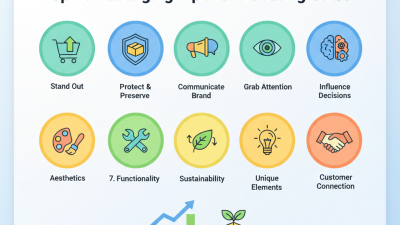
Top 10 Marketing Boxes Packaging Trends You Need to Know
This bar chart displays the top 10 packaging design trends that are currently influencing consumer engagement in the market. Trends include sustainability, minimalism, personalization, and bold colors among others.
Personalization in Packaging: Customization for Brand Identity
Personalization in packaging is a crucial trend in today's marketing landscape. Customization helps brands stand out. According to a 2021 report by McKinsey, 71% of consumers expect personalized experiences. This expectation drives companies to rethink their packaging strategies. Unique designs and tailored messages create a connection with customers. Simple changes can significantly improve brand identity.
Tips for achieving effective personalization include leveraging customer data. Brands can analyze purchase histories to inform packaging decisions. This targeting can enhance customer loyalty. For example, utilizing QR codes can guide consumers to personalized experiences, deepening engagement. Remember, however, that over-personalization can backfire. It may seem intrusive to some, highlighting the need for balance.
Another important aspect of packaging is environmental sustainability. Eco-friendly materials can be personalized too. Opt for recyclable or biodegradable options that reflect brand values. A survey by Nielsen showed that 81% of consumers prefer sustainable brands. Interesting packaging can attract attention, but it needs to align with ethical practices. Be aware that not every personalization effort will resonate; continuous testing is essential for improvement.
Top 10 Marketing Boxes Packaging Trends You Need to Know
| Trend |
Description |
Benefits |
Examples |
| Personalization |
Customized packaging that reflects the brand identity. |
Enhances customer engagement and loyalty. |
Initials on boxes, custom colors. |
| Eco-Friendly Materials |
Sustainable packaging solutions using recycled materials. |
Attracts environmentally conscious consumers. |
Biodegradable, compostable packaging options. |
| Minimalist Design |
Simple and clean packaging aesthetics. |
Focuses on product visibility and ease of use. |
Unbranded boxes, monochrome designs. |
| Interactive Packaging |
Engaging elements such as QR codes or AR experiences. |
Enhances interactivity and consumer engagement. |
QR codes that link to videos or promotions. |
| Luxury Packaging |
High-quality materials and finishes that convey luxury. |
Creates a premium brand perception. |
Foil stamping, embossed logos. |
| Reusability |
Packaging designed to be used multiple times. |
Encourages sustainability and loyalty. |
Tote bags, jars that can be reused. |
| Smart Packaging |
Integration of technology for tracking or freshness. |
Improves user experience and product quality. |
Sensors that detect spoilage. |
| Local Sourcing |
Utilization of local materials to create packaging. |
Supports local economies and reduces transportation impact. |
Packaging from local artisans. |
| Bold Colors & Patterns |
Vibrant colors and unique patterns to attract attention. |
Increases shelf visibility and brand recognition. |
Bright and contrasting designs. |
Tech Integration: Smart Packaging Solutions Enhancing Experience
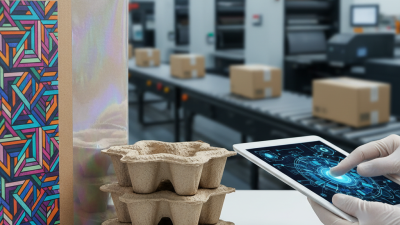
Smart packaging solutions are transforming the marketing landscape, enhancing the customer experience significantly. According to a 2022 report by MarketsandMarkets, the global smart packaging market is expected to reach $41.75 billion by 2027, growing at a CAGR of 6.4%. This growth highlights the increasing importance of technology in packaging. From QR codes that link to product information to temperature-sensitive labels, these innovations bridge the gap between physical products and digital experiences.
Consumers today demand more interaction. Smart packaging allows brands to offer personalized experiences, improving customer engagement. For instance, near-field communication (NFC) technology lets customers tap their devices to access exclusive content. A study by Grand View Research suggests that 80% of consumers are more likely to purchase a product that provides easy access to additional information. This data underscores the vital role of tech in enhancing packaging.
Tip: Consider integrating QR codes into your packaging. They provide convenient access to product details and promotions. Ponder this: How can your packaging make the buying experience smoother?
Packaging not only protects products but also communicates brand values. Think about the sustainability aspect of smart packaging. Many tech solutions can reduce waste and improve recycling efforts. According to the Ellen MacArthur Foundation, 45% of global plastic packaging is sent to the landfill. Embracing smart technologies can create a more sustainable future, but it requires vigilant planning.
Tip: Research sustainable smart packaging options. Implementing these can resonate with eco-conscious consumers. Reflect on your role in making the industry greener.