Why Choose Vietnam Packaging Suppliers for Global Sourcing?

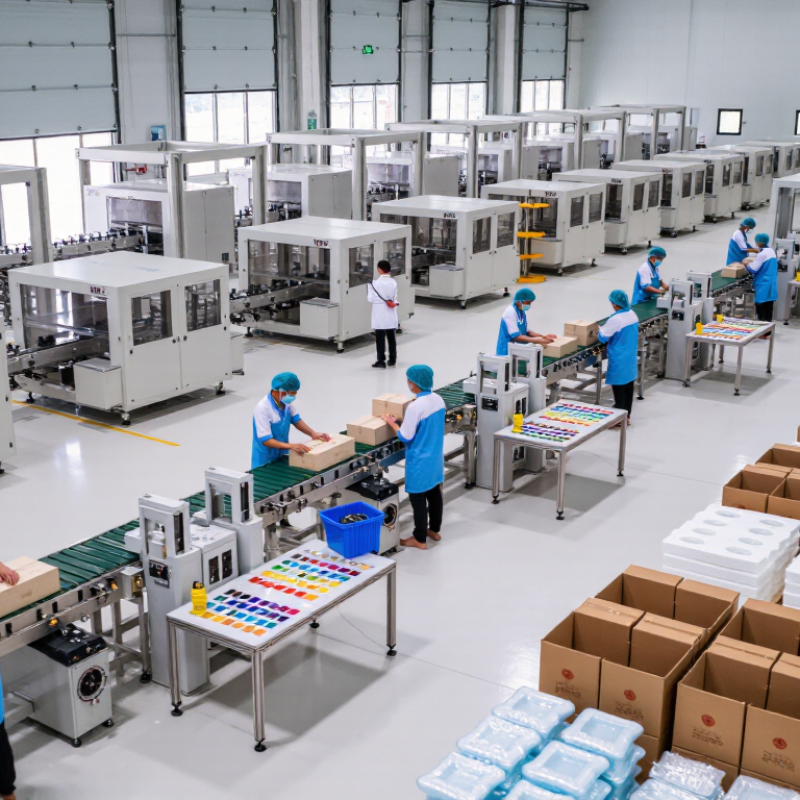
Global sourcing decisions often begin with cost, but reliable packaging requires more than a competitive quotation. Vietnam packaging suppliers have attracted international buyers through improving manufacturing capacity, skilled labor, and access to regional supply networks. From corrugated cartons and flexible pouches to molded protective inserts, Vietnamese factories can support varied packaging programs for food, cosmetics, electronics, and consumer goods.

The practical advantage becomes clearer on the production floor. A capable supplier may show printed samples, material specifications, color-control records, and drop-test results before mass production. Many manufacturers also work with recognized quality and environmental systems, although buyers should verify current certificates directly. Factory audits, trial orders, and independent inspections remain essential. Claims on a website are not enough.

Vietnam offers opportunity, not an automatic guarantee. Some suppliers communicate well but struggle with complex artwork or sudden volume changes. Others provide excellent workmanship yet need stronger documentation. This is where buyer experience matters: confirm tolerances, packing methods, lead times, export terms, and approved samples in writing. Small details matter. A crushed carton can damage a whole shipment.

For global sourcing teams, choosing Vietnam can balance cost, flexibility, and regional access while supporting long-term supplier development. The strongest partnerships grow through clear specifications, realistic forecasts, and regular quality reviews. Results may vary by factory, material, and product risk. Careful evaluation turns that uncertainty into a manageable sourcing strategy.
Why Choose Vietnam Packaging Suppliers for Global Sourcing?

Vietnam’s Packaging Industry and Its Global Sourcing Role

Vietnam’s packaging industry has become an active part of global sourcing. Its factories produce corrugated cartons, flexible packaging, molded paper, and protective inserts. Production clusters near Ho Chi Minh City, Hanoi, and major ports support practical export planning. In factory evaluations, clear specifications often matter more than impressive showrooms. This proximity matters.

Global buyers often choose Vietnam for balanced costs, growing manufacturing skills, and improving export infrastructure. Labor availability and modern converting equipment can support competitive pricing without making cost the only measure. Many suppliers provide material specifications, test reports, and batch records for purchasing teams. These documents help buyers check strength, dimensions, ink performance, and product consistency. However, buyers should verify testing methods independently when packaging protects food, medicine, or sensitive goods.

Vietnam is not a perfect fit for every sourcing plan. Some factories depend on imported paper, resin, or machine parts, which may affect schedules. Communication can also slow down when artwork changes arrive late. That weakness is easy to underestimate. Buyers should compare samples from different production runs, not just one approved sample. A small pilot order can reveal color variation, stacking performance, moisture resistance, and packing quality. It may feel inefficient. Yet these details often decide whether Vietnam becomes a dependable long-term sourcing base. Suppliers should also explain waste handling, worker training, and quality controls with specific evidence, rather than broad promises.

Key Advantages of Choosing Vietnamese Packaging Suppliers

Vietnamese packaging suppliers offer more than competitive production costs. They provide flexible manufacturing, practical communication, and access to several packaging materials. Many factories support paper cartons, flexible pouches, protective inserts, and custom printed packaging. This variety helps global buyers reduce supplier complexity.

From supplier evaluations, production evidence matters more than attractive samples. A reliable factory should provide material specifications, quality records, and clear inspection procedures. Buyers can request compression tests, drop tests, moisture checks, and color approval samples. Factory audits also reveal useful details, such as storage conditions, machine maintenance, and worker training. These details often affect shipment quality.

Communication can be a strong advantage in Vietnam. Many suppliers work with international buyers and understand export documentation, packing requirements, and production schedules. Their teams can adjust designs when buyers provide precise drawings or testing requirements. Yet the process is not flawless. A first sample may need several revisions. Lead times can also change during busy seasons. Written specifications, approved samples, and regular production updates reduce these risks. Buyers should also review material sourcing and waste control instead of trusting broad sustainability claims. Practical verification creates a more dependable partnership.

Vietnam’s sustained export growth reflects an increasingly integrated manufacturing and logistics base. For global buyers, this supports competitive packaging sourcing, scalable production, and access to international supply chains.

Data source: General Statistics Office of Vietnam, merchandise export turnover; figures rounded to USD billions.

Packaging Products and Industries Served by Vietnam

Vietnam packaging suppliers support global sourcing with a broad and practical product mix. Common outputs include corrugated cartons, flexible pouches, paper bags, molded-pulp trays, plastic containers, labels, and protective inserts. These products serve food processing, beverages, electronics, cosmetics, pharmaceuticals, agriculture, furniture, and e-commerce. Smithers projects the global packaging market will approach US$1.3 trillion by 2028. That growth increases demand for responsive regional suppliers. Vietnam also offers access to established manufacturing networks and major shipping routes. However, lower pricing alone is not enough. Product consistency, moisture resistance, printing accuracy, and export documentation require careful checks.

In supplier evaluations, buyers should match packaging specifications with the industry’s actual risks. Food and beverage packaging may require barrier films, leak-resistant seals, and migration testing. Electronics shipments often need antistatic protection and stronger corner support. Cosmetics demand precise colors and clean surface finishing. Agriculture may require ventilation and load-bearing strength. Reports from the Packaging Machinery Manufacturers Institute highlight automation and sustainable materials as continuing industry priorities. Vietnam suppliers are increasingly developing recycled paper, recyclable films, and lightweight structures. Progress is visible, but material claims still need independent verification.

Tips: Request samples from three production batches. Test compression, sealing, odor, and print alignment. Confirm minimum order quantities, lead times, and inspection procedures. Do not assume one approved sample represents full production. That assumption can become expensive. Use written specifications, third-party inspections, and regular performance reviews.

How to Evaluate and Select a Vietnamese Packaging Supplier

Selecting a Vietnamese packaging supplier should begin with evidence, not a low quotation. The World Bank’s 2023 Logistics Performance Index placed Vietnam 43rd globally, with a score of 3.3 out of 5. That supports regional sourcing, but it does not guarantee reliable delivery from one factory. Ask for 12 months of on-time delivery records, complaint rates, and corrective-action reports. Request the actual production address. Then compare it with business registration and audit documents. A certificate is only a starting signal. The ISO Survey 2023 recorded 1,265,216 ISO 9001 certificates worldwide, so ISO 9001 alone cannot prove strong packaging control.

Evaluate samples under real conditions. Check seal strength, compression, color variation, barcode readability, and moisture resistance. For food-contact packaging, request material declarations, migration testing, and traceability records from qualified laboratories. Confirm that testing covers the exact substrate, ink, coating, and adhesive. Ask how rejected rolls are segregated. Ask again six weeks later. That small test reveals discipline. Vietnam’s cost advantage can be attractive, yet tooling, minimum order quantities, port schedules, and inland transport may change the landed price. Use a pilot order with measurable acceptance limits and written change-control procedures. Interview two current customers, although references are curated and imperfect. Factory visits help, but an independent third-party audit is more revealing. Keep a scoring sheet covering quality, capacity, compliance, communication, and total cost. Do not award full volume until repeated batches perform consistently.

Import, Quality, and Partnership Considerations for Global Buyers

Vietnam packaging suppliers can support global sourcing when import details are handled early. Buyers should confirm product specifications, materials, dimensions, packing methods, and shipping terms before ordering. Request commercial invoices, packing lists, certificates, and accurate HS classification information. Documentation errors may delay customs clearance or create unexpected costs. Check destination-country requirements with a qualified customs professional.

Quality needs evidence, not promises. Request production samples and compare them with approved drawings. For cartons, test compression, edge strength, moisture resistance, and print alignment. For flexible packaging, review seal strength, thickness, odor, and applicable safety documentation. A factory visit can reveal storage conditions, line cleanliness, and traceability practices. Remote audits help, but they miss small details. That matters.

Strong partnerships develop through clear feedback and realistic schedules. Set tolerances, inspection points, payment milestones, and corrective-action deadlines in writing. Discuss minimum order quantities, tooling ownership, spare capacity, and holiday-related lead-time changes. Suppliers should report defects before shipment, not after arrival. Buyers also need to share forecasts honestly. No supplier is perfect. In one sourcing review, an attractive sample failed compression testing, forcing a redesign and delayed launch. The mistake was costly, but useful. It exposed the need for verification, transparent communication, and practical contingency planning.

Why Choose Vietnam Packaging Suppliers for Global Sourcing? - Import, Quality, and Partnership Considerations for Global Buyers

The figures below are practical planning references rather than guarantees. Actual costs, lead times, duties, and compliance requirements depend on product specifications, order volume, destination market, shipping method, and supplier capability.

Sourcing Dimension Vietnam-Specific Data or Market Fact Why It Matters to Global Buyers Information to Verify Before Ordering Recommended Buyer Action
Manufacturing Base Vietnam has established manufacturing clusters for paper packaging, corrugated cartons, flexible packaging, plastic packaging, wooden packaging, and protective inserts. Buyers can consolidate several packaging categories within one country or develop a coordinated supplier network for regional production. Confirm the supplier’s actual production sites, machinery list, monthly capacity, subcontracting policy, and experience with the required packaging material. Request a factory profile, production-flow diagram, and recent capacity-utilization information.
Export Connectivity Vietnam has major international seaports and established shipping links serving Asia, Europe, North America, and other global markets. Regular ocean freight options can support both full-container and less-than-container shipments, depending on destination and volume. Check the port of loading, available carrier services, inland trucking distance, transshipment requirements, and current freight quotation. Compare at least two logistics routes using the same Incoterm, shipment weight, volume, and delivery destination.
Trade Agreement Access Vietnam participates in major trade frameworks including CPTPP, RCEP, and the EU–Vietnam Free Trade Agreement. Qualifying goods may receive preferential tariff treatment in certain destination markets, subject to rules of origin and customs requirements. Confirm the exact HS code, destination-country tariff schedule, product-specific rules of origin, and required certificate or origin documentation. Ask the supplier or customs broker to provide a written duty estimate based on the final product classification.
Import Documentation Common export documents include a commercial invoice, packing list, transport document, and product-specific certificates when required. Complete and consistent documentation reduces customs delays, classification disputes, and unexpected import charges. Review the exporter details, HS code, product description, quantity, net and gross weight, Incoterm, country of origin, and shipping marks. Approve a document checklist before production and require draft documents before shipment departure.
Cost Structure Packaging quotations commonly depend on material grade, dimensions, printing method, finishing, tooling, order quantity, packing method, and delivery term. A lower unit price does not always mean a lower landed cost; freight, duties, tooling, inspection, wastage, and inventory costs can materially change the result. Check whether the quote includes tooling, plates or cylinders, export packing, local transport, testing, documentation, and freight. Compare suppliers using a landed-cost worksheet rather than unit price alone.
Minimum Order Quantity Minimum order quantities vary widely by material and process. Printed flexible packaging and custom rigid packaging often require higher commitments than standard cartons or stock items. MOQ directly affects inventory exposure, cash flow, storage requirements, and the feasibility of product launches or market testing. Confirm MOQ by size, artwork, color, material structure, printing cylinder or plate, and shipment batch. Negotiate a pilot order, shared tooling arrangement, or staged delivery when demand is uncertain.
Lead-Time Planning A custom packaging order normally includes time for artwork approval, sampling, tooling, material preparation, production, inspection, and international transportation. Early planning helps prevent stockouts caused by design revisions, public holidays, raw-material delays, or vessel schedule changes. Separate the production lead time from transit time and confirm the timeline for first samples, mass production, and shipment booking. Build a schedule with approval milestones and maintain safety stock for critical packaging components.
Quality Management Packaging quality can be controlled through approved specifications, retained samples, in-process checks, final inspection, and documented corrective actions. A written quality system reduces variation in dimensions, print registration, color, seal strength, compression performance, and material consistency. Ask for quality procedures, inspection records, calibration records, defect classifications, and the process for handling nonconforming goods. Create a signed product specification and define measurable acceptance criteria before placing the purchase order.
Testing and Compliance Depending on end use, packaging may require tests for food contact, migration, heavy metals, recycled content, moisture resistance, compression, drop performance, or chemical compatibility. Compliance failures can lead to rejected shipments, relabeling costs, product recalls, or restrictions in the destination market. Identify the destination-market regulations and confirm whether test reports apply to the exact material, structure, coating, ink, adhesive, and production site. Obtain recent third-party test reports and arrange independent testing for high-risk or regulated applications.
Sustainability Options Available options may include recycled paperboard, responsibly sourced paper, downgauged films, mono-material structures, water-based inks, and recyclable designs where technically suitable. Material choices can support retailer requirements, corporate sustainability targets, and packaging-waste regulations. Verify recycled content, chain-of-custody claims, recyclability in the destination market, material composition, coatings, and supporting documentation. Define sustainability requirements in measurable terms instead of using broad claims such as “green” or “eco-friendly.”
Communication and Partnership Long-term packaging programs benefit from clear technical drawings, controlled artwork, structured sampling, regular production updates, and documented change management. Reliable communication reduces misunderstandings involving dimensions, colors, materials, packing quantities, and shipment deadlines. Assess response time, English-language technical communication, escalation procedures, engineering support, and willingness to report problems early. Use a supplier scorecard covering quality, delivery, responsiveness, cost control, compliance, and corrective-action performance.
Payment and Commercial Risk Payment terms differ by supplier, order size, product customization, buyer history, and negotiated commercial conditions. Appropriate payment milestones can balance supplier working-capital needs with the buyer’s protection against unfinished or nonconforming goods. Review the legal entity, bank-account consistency, contract terms, refund policy, ownership of tooling, and conditions for claims. Use a written purchase contract and link milestone payments to objectively verifiable deliverables.
Supplier Due Diligence A supplier’s trading status, factory capability, certifications, customer references, and export experience should be evaluated independently. Due diligence helps distinguish a qualified manufacturer from a trading intermediary that may not control production or quality. Check business registration, factory address, audit results, certification validity, production photos, reference projects, and ownership of equipment. Combine document review, video or on-site audit, sample approval, and pre-shipment inspection before scaling the order.