How to Choose the Best Printed Packaging for Your Products?
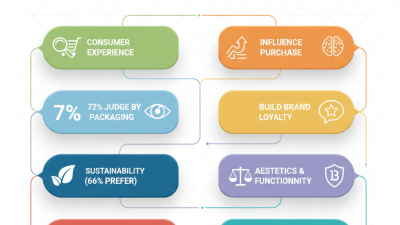
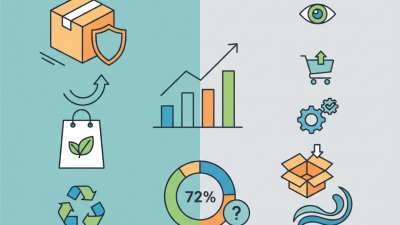
In today’s competitive marketplace, choosing the right printed packaging is crucial for product success. Research indicates that 72% of consumers judge a product by its packaging. This statistic highlights the importance of aesthetics in consumer choices. Printed packaging often serves as a customer’s first interaction with a brand.
Investing in printed packaging can significantly enhance brand visibility. According to a study by Smithers Pira, the printed packaging market is projected to reach $1 trillion by 2027. This growth indicates that businesses recognize printed packaging as a vital component of marketing strategies. However, the challenge lies in selecting packaging that aligns with both brand identity and sustainable practices.
While appealing designs attract attention, function should not be overlooked. Poor packaging can lead to damaged products. Thus, balancing creativity with practicality is essential. As brand owners navigate these complexities, reflecting on their choices will lead to improved decision-making in the long run. Ultimately, effective printed packaging can elevate a product's market presence and customer loyalty.
Understanding the Importance of Packaging in Product Marketing
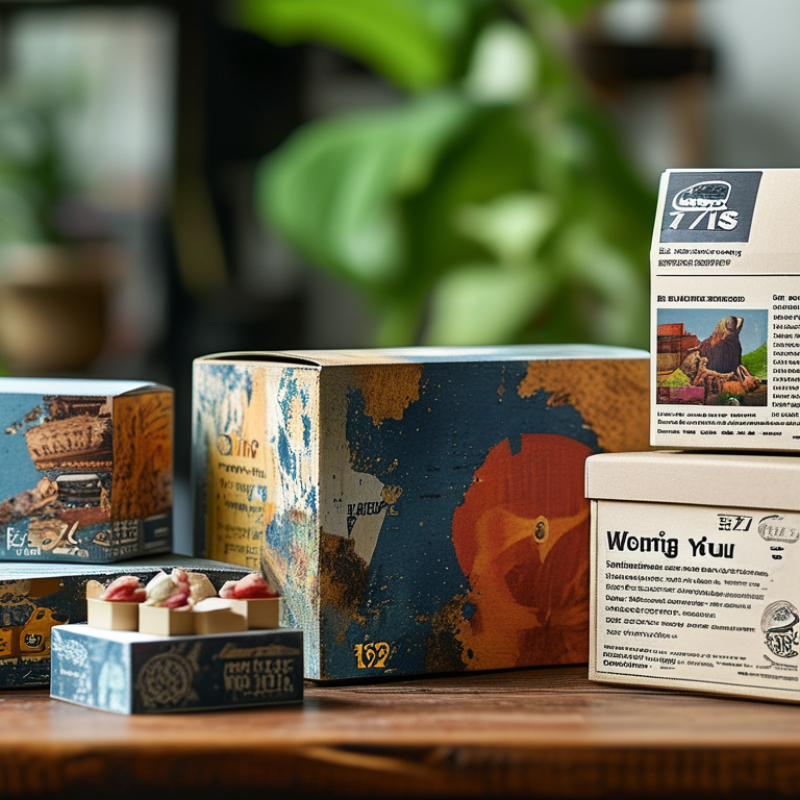
Effective packaging is more than just a protective layer for products; it plays a crucial role in marketing. A well-designed package captures attention and communicates the brand's message. When customers see attractive packaging, they are more likely to make a purchase. This emotional connection can enhance brand loyalty.
Printed packaging can convey essential information while adding aesthetic appeal. Colors, typography, and images should reflect the product's essence. A study has shown that consumers often judge a product by its packaging in mere seconds. This highlights the need for thoughtful design. Companies need to ensure their packaging not only stands out but is also memorable.
Many businesses underestimate the impact of packaging. Some might prioritize cost over design quality. This can result in unappealing packaging that fails to engage consumers. Reflecting on past choices can reveal areas for improvement. An investment in effective packaging can lead to higher sales and a stronger brand reputation. Consider the lasting impressions created through thoughtful design efforts.
Identifying Your Target Audience for Effective Printed Packaging Design
Identifying your target audience is crucial in designing effective printed packaging. To create a strong connection, you need to understand who will use your product. Start by gathering data on their age, preferences, and lifestyle. This helps tailor the packaging style and messaging. For instance, eco-conscious consumers may prefer sustainable materials. Their values will influence design choices.
Consider conducting surveys or focus groups. These interactions provide insights into customer expectations. Ask about colors, shapes, and information they find appealing. Analyze competitors' packaging as well. Notice what grabs attention and what flops. Effective packaging should reflect customer desires. It can be a challenge to strike the right balance between aesthetics and functionality.
Recognize that not every design will resonate perfectly. Some ideas may misfire, making it vital to remain flexible. Testing different concepts can reveal what works. Packaging should also communicate clearly. Avoid clutter and aim for simplicity. An effective design conveys your brand’s message while attracting the right audience. Ultimately, understanding your customers fuels impactful packaging design.
Evaluating Different Types of Printed Packaging Materials and Their Benefits
When selecting printed packaging materials, understanding different options is crucial. Paperboard, for example, provides a sturdy and eco-friendly choice. A study from Smithers Pira indicates that the demand for paper packaging is expected to grow by 4.5% annually. This growth reflects consumer preference for sustainable products.
Plastic packaging, on the other hand, offers durability and versatility. It is lightweight and can be designed in various styles. However, the environmental impact of plastics raises concerns. Reports show that 91% of plastic isn't recycled, which makes many brands rethink their choices.
Always consider material sourcing. Sustainable materials can enhance brand image. The right packaging must also communicate product value effectively. Less is often more when it comes to design. Simplified designs can attract attention while reducing costs. Make sure your packaging resonates with your audience. Understanding these factors can lead to better packaging decisions.
Analyzing Industry Standards and Trends in Printed Packaging Solutions
Choosing the right printed packaging requires understanding industry standards and trends. Packaging not only protects products but also communicates brand values. In the evolving market, staying updated on innovations is crucial.
Sustainability is a notable trend. Many brands are adopting eco-friendly materials to appeal to environmentally-conscious consumers. Recyclable and biodegradable options are becoming popular. However, some companies still struggle with balancing aesthetics and sustainability. It's a challenge that needs careful consideration.
Design also plays a pivotal role. Minimalist designs are trending, focusing on clarity and functionality. Bright colors attract attention, yet they may distract from the product itself. Brand consistency is crucial, but it’s not easy to maintain. Finding the right balance can make or break your packaging strategy. Continuous research and experimentation are necessary for success in this competitive landscape.
Cost-Effectiveness: Balancing Quality and Budget for Packaging Choices
When selecting printed packaging, cost-effectiveness is crucial. Businesses often face pressure to manage tight budgets while still maintaining quality. It's vital to find a balance between these two aspects. For example, low-cost materials may save money initially but could compromise product integrity in the long run. A damaged product can lead to customer dissatisfaction and increased return rates.
Analyzing the true cost of packaging includes considering durability and visual appeal. Quality materials can enhance brand perception and encourage customer loyalty. Investing in better packaging might increase upfront costs but can result in greater long-term savings by reducing damage and enhancing customer experience. However, this doesn't mean overlooking more affordable solutions. Sometimes, mid-range options can fulfill both quality and budget requirements effectively.
Reflecting on past experiences shows many companies often prioritize immediate savings. This can backfire, impacting brand reputation and profitability. Seeking expert advice can help navigate these challenges. Engaging in thorough market research equips businesses to make informed decisions about packaging that satisfies both quality and budget needs.